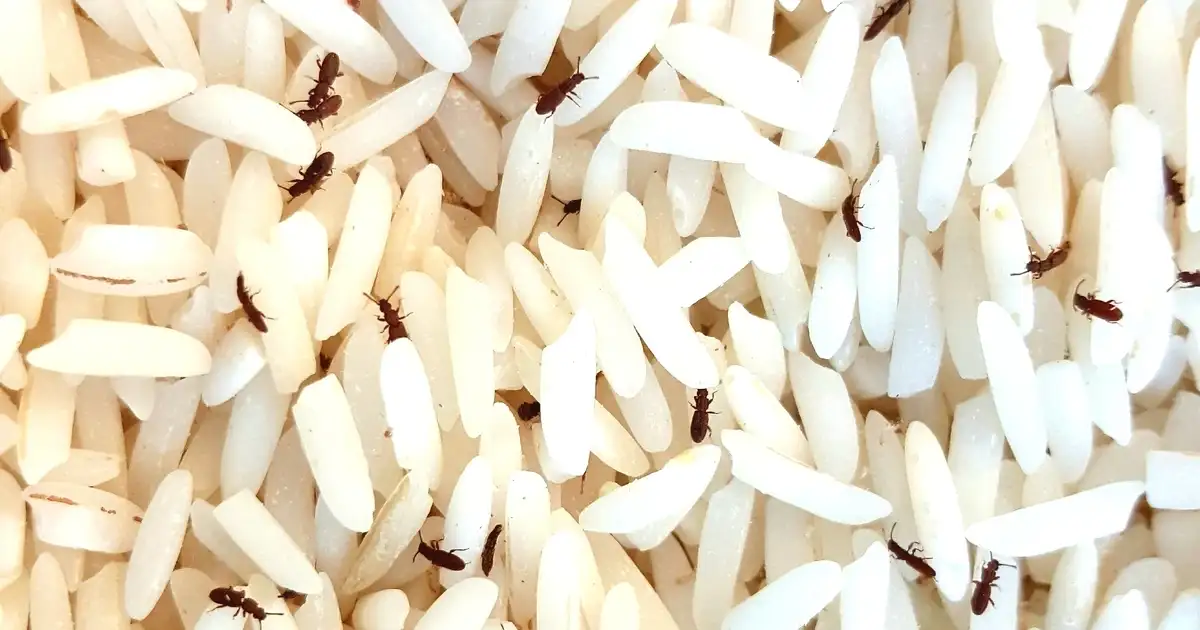

We trust our online shopping carts to deliver convenience, not creepy crawlies. So when a customer recently opened a supposedly sealed Amazon package of rice only to find live insects “wiggling” inside, it wasn’t just a gross surprise – it was a stark, unsettling reminder of the hidden realities behind our digital pantries. As a science communicator, I often dissect the unseen risks in our daily lives. This Amazon rice incident? It’s not just a viral gross-out; it’s a glaring spotlight on the vulnerabilities of our modern food supply chain, and frankly, a healthy serving of public cynicism that we all need to acknowledge.
Let’s be blunt: was anyone truly shocked? In an era where we increasingly rely on algorithms and logistics networks for our dinner, this incident doesn’t just ‘rip open the lid’; it blows the whole top off the dirty truth of online grocery shopping. It’s a visceral, undeniable reminder that the perceived ease of a click-and-collect often masks some truly unsavory realities – realities that, as an evidence-based communicator, I believe we ignore at our peril.

The Wiggling Reality of Your Digital Pantry
The customer didn’t just find a few stray bugs; they found a teeming, miniature ecosystem thriving within what should have been sterile food. Their immediate documentation – vivid videos of insects actively wiggling through the rice grains – quickly went viral, forcing Amazon’s hand. The retail giant, true to form, swiftly offered a refund and initiated an internal investigation. But let’s be clear: a refund doesn’t erase the image, nor does it address the systemic issues this incident exposes.
This isn’t just about one unfortunate bag of rice; it’s a window into the vast, intricate, and often bewildering world of online food retail. Think about it: millions of products, sourced from countless vendors globally, are funneled through dizzying complex logistics networks. Each warehouse, each transit hub, each delivery van – every single step is not just a link in the chain, but a potential, gaping vulnerability for hygiene and safety. It’s a logistical marvel, yes, but also a potential petri dish.
The numbers are already sobering: The Centers for Disease Control and Prevention (CDC) reports that a staggering 1 in 6 Americans fall ill from foodborne diseases every single year. Contamination, including the kind caused by pests, contributes directly to these alarming figures. Now, layer on the explosive growth of online grocery sales, which introduces even more handling points, more storage facilities, and more opportunities for things to go wrong. This isn’t just ‘complicating matters’; it’s fundamentally reshaping the landscape of food safety, often for the worse.
Beyond the Viral Outrage: Real Health Risks
Predictably, the internet ‘exploded’ with reactions to the ‘wiggling rice’ video – but not always in the way you might expect. While some expressed disgust, a significant chorus of online users immediately dismissed it as ‘obvious bait,’ a ‘content farm grift,’ or even mocked the consumer for ‘naively’ expecting pristine conditions from inexpensive bulk rice. This knee-jerk cynicism, while understandable in a world saturated with manufactured outrage, dangerously trivializes a very real public health concern.
But let me be absolutely clear: the public health implications here are far from a joke. As Dr. Eleanor Vance, a highly respected food safety expert, articulates with precision:
“The presence of live insects in food is a clear violation of food safety standards. While not all pests directly cause illness, they unequivocally indicate a breakdown in hygiene and can, critically, introduce harmful bacteria or potent allergens. Consumers should always inspect food products carefully, regardless of where they are purchased – it’s a non-negotiable step.”
While common pantry pests like weevils might not be acutely toxic if accidentally consumed – a dubious comfort, I might add – their very presence isn’t just ‘unsanitary’; it’s a blaring siren for systemic contamination. These unchecked environments are breeding grounds, easily harboring dangerous pathogens like Salmonella or E. coli, which are toxic and can lead to severe illness, even death. Furthermore, the discarded waste, exoskeletons, or body parts of these pests aren’t just gross; they can trigger severe, sometimes life-threatening, allergic reactions in sensitive individuals. This isn’t merely about aesthetic disgust; it’s about genuine biological hazard.
So, while the digital peanut gallery might sneer at what they label ‘TikTok sob stories’ or ‘viral stunts,’ the underlying issue is deadly serious. The perceived ‘shock’ might indeed be performative for clicks, but the very real, tangible risk to our health and safety is anything but.
Amazon’s Food Safety Tightrope
Amazon, as the undisputed behemoth of e-commerce, faces an unprecedented challenge. They aren’t just selling books anymore; they’re a global marketplace for everything, including our food. Ensuring stringent quality control for millions of items, a significant portion of which come from often less-regulated third-party sellers, is a monumental task. Their standard playbook – a swift refund and a promise to ‘investigate’ – feels increasingly inadequate in the face of such widespread potential for contamination.
But is that truly enough? I argue, unequivocally, no. This incident isn’t just a blip; it’s a flashing red light demanding a complete overhaul of vetting processes for all food vendors on their platform. It necessitates not just stricter standards, but aggressive, proactive enforcement across their entire, sprawling marketplace. The current system, frankly, appears to be built on a dangerous gamble: hoping consumers catch issues, then scrambling with post-incident damage control. That’s not a food safety strategy; it’s a reactive crisis management plan.
The very nature of online food purchases inherently injects more handling and storage points into the supply chain, dramatically escalating the risk of contamination compared to the more contained environment of traditional retail. And here’s where the systemic challenge truly hits: regulatory bodies like the FDA, designed for a different era of commerce, are simply overwhelmed. They don’t just ‘struggle’ to monitor; they are often outmaneuvered and under-resourced to enforce standards across such a vast, globally interconnected, and constantly evolving network of online sellers. It’s not merely a ‘logistical nightmare’; it’s a regulatory chasm.
What Happens Next? Your Vigilance is Key
So, what was the immediate fallout for the consumer? A refund, of course, and reportedly a generous $100 gift card – a significant sum for a $10 rice purchase. This outcome, predictably, fueled the online cynicism, with some observers immediately labeling it a ‘lawsuit lottery’ win, a grab for ‘clout.’ While the blurring line between genuine complaint and viral content production is a legitimate concern, this cynical dismissal risks diverting attention from the core issue: the systemic vulnerabilities that allowed the contamination in the first place.
But let’s cut through the online drama and refocus on the critical takeaway: your food safety is, ultimately, your responsibility. You are the final line of defense. So, what can you do? Be relentlessly vigilant. Always inspect packaging for any sign of damage, no matter how minor. Scrutinize expiration dates. And crucially, immediately examine food contents upon arrival, especially for dry goods like rice, flour, or pasta. Don’t assume ‘sealed’ means ‘safe’.
If you find anything amiss, report it directly to the retailer – but don’t stop there. If the issue is serious or goes unaddressed, escalate it. Contact public health authorities like your local health department or even the FDA. This isn’t just about securing your refund; it’s about a collective responsibility to demand safer standards, to protect yourself, your family, and the wider public from potentially harmful conditions that lurk in the shadows of our digital convenience.
The ‘wiggling rice’ incident isn’t just a gross anecdote; it’s a searing indictment of complacency in our digital food supply. It’s a wake-up call, not just for retailers like Amazon, but for every single one of us. It’s time to stop passively accepting convenience at any cost and start demanding verifiable safety. Because if we don’t, the next unexpected ‘delivery’ might be far more unsettling than a few bugs in a bag of rice. Let’s make sure our digital pantries are stocked with safety, not just cynicism.
Source: Google News