
Forget everything you thought you knew about progressive politics. In a stunning, almost unbelievable turn, a prominent Democrat lawmaker from one of the nation’s most ‘woke’ states has just proposed a radical idea: police officers should pay no income tax. This isn’t just a policy tweak; it’s a direct, jarring assault on the very foundations of progressive fiscal ideology, shattering decades of carefully constructed dogma.
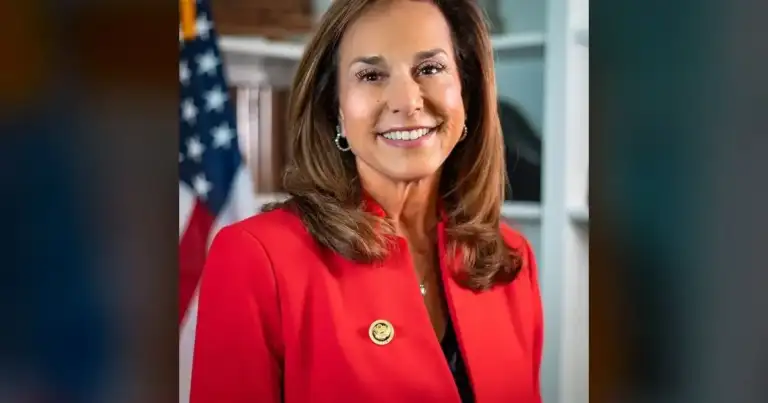
The proposal didn’t sneak out of some backwater; it burst forth from a major progressive state, a self-proclaimed bastion of left-leaning thought and fiscal rectitude. The lawmaker, a prominent, indeed often firebrand, voice within the party, unveiled this bombshell idea just this week. Ostensibly, it aims to address critical police shortages and retention issues – a convenient narrative for a deeply inconvenient proposal. We’re talking a complete income tax exemption, wiping out all state and local income taxes for law enforcement. A blank check, effectively.
The Political Earthquake Rattles the Left
This isn’t merely a policy shift; it’s a political earthquake, a seismic event tearing through the very bedrock of the progressive movement. Progressive voters, the party’s most loyal foot soldiers, are not just reeling; they are openly incandescent with rage. This move doesn’t just feel like a betrayal; it is a betrayal of core progressive values. It forces us all to ask: what, precisely, does ‘progressive’ even mean anymore?
For decades, progressive platforms have preached the gospel of shared societal contributions, championing robust public services funded by broad, equitable tax bases. This has been their catechism. Now, this proposal carves out a massive, unprecedented exemption, directly contradicting years—no, decades—of established party doctrine. It’s a stunning ideological U-turn.
Critics, predictably, immediately slammed the proposal, seeing it not as genuine policy but as a desperate, cynical play for political expediency. The backlash from the left has been swift, brutal, and utterly unsparing, exposing a chasm-deep ideological rift within the party that may prove impossible to bridge.
Following the Trillion-Dollar Money Trail
Let’s strip away the political rhetoric and talk about the cold, hard cash. This isn’t some minor deduction or a clever accounting trick. We are talking about eliminating an entire, foundational income stream. Financial experts, often the only adults in the room, estimate that similar nationwide exemptions could cost anywhere from $2 to $3.6 trillion in lost revenue over a single decade. This isn’t a hit to public coffers; it’s a fiscal nuclear strike.
Who, then, pays for this sudden, politically motivated generosity? The answer, as always, is the everyday taxpayer. State budgets are not magic money trees. When one powerful group is suddenly absolved of its civic duty, another group—usually the working and middle classes—must pick up the slack. The alternative? Draconian cuts to essential public services. Neither option is remotely palatable for the average citizen, who already feels the squeeze.
This isn’t just an abstract number on a spreadsheet. It translates directly into schools that won’t get funding, crumbling roads that won’t get repaired, and crucial healthcare programs that will face devastating cuts. The true cost trickles down, not to the wealthy, but directly to the working families and vulnerable communities who depend on government services most—the very people progressives claim to champion.
Hypocrisy on Full Display from the “Woke” Camp
Let’s call this what it is: pure, unadulterated political hypocrisy, served up with a side of breathtaking audacity. For years, progressives have relentlessly pushed for higher taxes—especially on the wealthy—to fund their vision of robust social programs. Now, a lawmaker from their own sacred ranks wants to gut tax revenue, not to benefit the poor or the struggling, but to reward a specific, powerful group. This isn’t just a reversal; it’s a stunning, almost comical, ideological backflip.
“This proposal panders directly to badged bullies,” declared a sharp-tongued political analyst on CNN, mincing no words. “It rewards certain groups with a golden parachute while simultaneously gutting essential public budgets that serve everyone else.”
The outrage from within the progressive movement is not just palpable; it’s a roaring inferno. It exposes deep, festering divisions within the party that can no longer be papered over. How, precisely, can you demand more from the rich, preach about equitable taxation, but then turn around and give a free pass—a literal get-out-of-tax-free card—to another powerful group? The math simply does not, and cannot, add up, unless your only equation is political opportunism.
The lawmaker’s stated goal? Police retention. A noble cause, perhaps, if it weren’t so transparently cynical. Yet, these are the same progressives who, for years, have demanded radical police reform, accountability, and an end to systemic abuses. This tax break isn’t just a reward without conditions; it’s a brazen slap in the face to every activist who ever marched for justice, a complete dismissal of calls for systemic change.
The “Why” Behind Such a Shocking Move
So, why on earth would a progressive lawmaker, ostensibly committed to their party’s principles, float such a radical, self-defeating suggestion? The political insider knows there are always several cynical theories at play. Some whisper about growing police shortages, arguing this is a desperate, Hail Mary attempt to keep officers on the force, a direct, if clumsy, response to genuine public safety concerns.
But the more likely truth, the one whispered in the backrooms, is that this is a desperate play for moderate votes, a cynical, transparent attempt to appear ‘tough on crime’ without actually addressing the root causes. It’s a move that utterly ignores years of dedicated police reform advocacy, spitting in the face of those efforts. The optics for the progressive brand aren’t just ‘terrible’; they’re catastrophic. It alienates the most fervent elements of their base while offering little in the way of real, systemic change—just a massive tax giveaway.
Or perhaps—and never underestimate the cunning of a cornered politician—it’s a strategic distraction, a carefully orchestrated ‘performance outrage’ designed to shift focus. Could this lawmaker be attempting to draw attention away from other, even more unpopular policies lurking in the legislative shadows? This, after all, is how the political game is truly played in the capital: it’s about perception, leverage, and power, rarely about principle.
The Unintended Consequences and What Happens Next
Make no mistake: this proposal will face brutal, unyielding opposition. It will almost certainly die a swift, ignominious death in committee. But the damage, the profound ideological rupture, is already done. It serves as a stark, glaring reminder of how desperate politicians can become, how readily they will sacrifice core principles on the altar of perceived political gain. The lawmaker’s credibility, already hanging by a thread, is now in tatters.
The ‘woke state’ itself now looks utterly ridiculous, a caricature of its own proclaimed values, openly contradicting everything it supposedly stands for. This isn’t just an embarrassment; it creates a dangerous, cascading precedent. Imagine the floodgates opening: teachers, firefighters, nurses—every essential public servant, and rightly so—will line up, demanding similar tax breaks. The state budget, already stretched thin, simply cannot handle such a catastrophic drain. It would force other vital public services, from infrastructure to mental health, to suffer unimaginable cuts.
Imagine the unmitigated chaos: every special interest group, every well-funded lobbyist, will line up, hands outstretched, demanding their own bespoke tax carve-outs. The entire tax system, already a labyrinth of exceptions, could completely unravel. This single, ill-conceived proposal could spark a fiscal free-for-all, undermining the very foundation of public finance and the social contract itself.
The Real Victims of Political Posturing
Let’s be clear about who the real victims are in this cynical game of political posturing. It’s not the police officers, who are merely pawns. It is the working-class citizens, the middle-income families, who dutifully pay their fair share of taxes, often struggling to make ends meet, and who rely most heavily on state services. Their taxes will undoubtedly increase to cover this gargantuan deficit, or, far more likely, essential services—schools, roads, healthcare, social safety nets—will be brutally slashed. This is the insidious, hidden cost of sacrificing principle for political expediency.
This move is more than just a slap in the face; it’s a public humiliation for the activists who have tirelessly fought for police accountability, for systemic change, for justice. Now, a progressive lawmaker, one who supposedly stands with them, wants to give police a blank check, an unconditional reward. It doesn’t just ignore their efforts; it actively mocks them, demonstrating with chilling clarity how quickly principles can be abandoned when the political winds shift.
Ultimately, this proposal highlights a fundamental, uncomfortable truth about modern politics: power, and the desperate scramble to maintain it, will always trump principle. Politicians, regardless of party affiliation, will chase votes wherever they can find them, no matter the cost. Even if it means throwing their own loyal base under the bus, even if it means gutting the state budget, even if it means betraying every value they once espoused. This, folks, is the raw, cynical reality of how the game is played, not just in Washington, D.C., but in every statehouse across the nation.
This isn’t just a transparent ploy; it’s a political stunt so audacious it borders on self-parody. It rips open the deep, festering cracks in progressive ideology for all the world to see. The lawmaker’s move will not only alienate their base and burden taxpayers with an impossible fiscal burden, but it serves as a stark, cynical betrayal of every core principle they ever claimed to uphold. So, the next time a politician preaches about shared sacrifice or equitable taxation, remember this episode. Remember how quickly ideals are discarded when power is on the line. This, my friends, is not just how the swamp operates; it’s how principles die.
Source: Google News