
The GOP’s ‘Common Sense vs. Communist Crazy’ Strategy: All McClain, All the Time
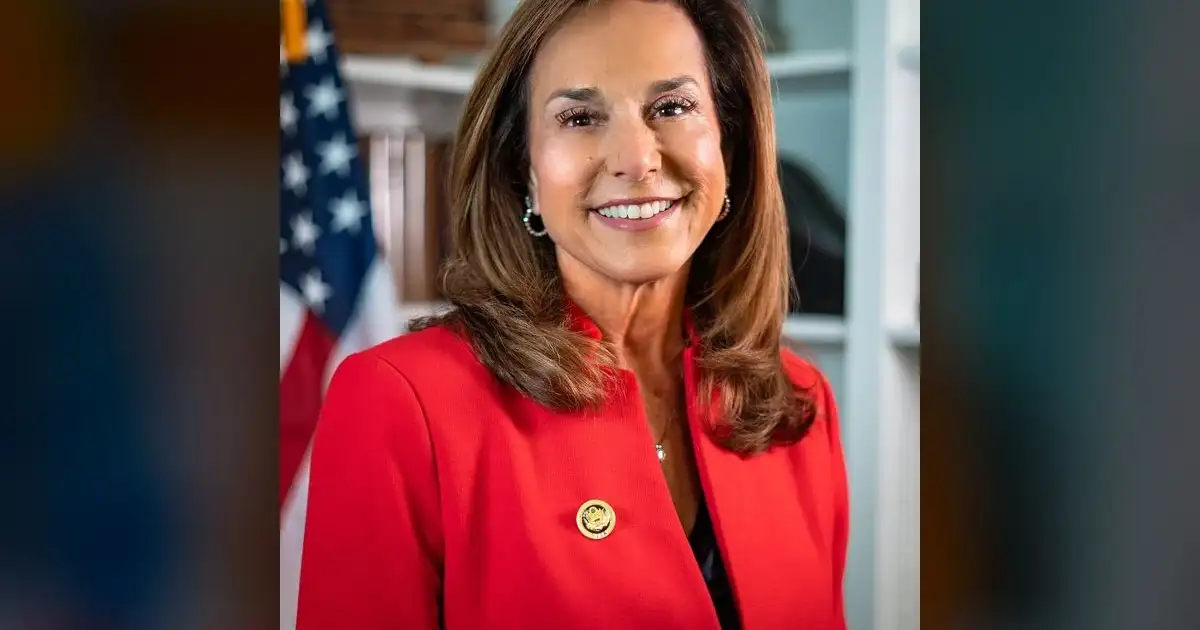
Fear drives the GOP’s midterm messaging, with Lisa McClain of Michigan at the forefront. Her role is to portray Democrats as radical communists, fueling anger and distrust among voters.
This isn’t just rhetoric; it’s a calculated tactic aimed at energizing the base and distracting from the party’s failures. McClain embodies the fear-driven narrative rooted in Cold War nostalgia and anti-elitism, which resonates with many Americans.

How McClain Became the GOP’s Poster Child for Fear
Leaked GOP memos confirm McClain is the chosen messenger for the “common sense versus communist crazy” storyline. Strategists see her as perfect for channeling populist outrage and amplifying fearmongering.
Her background fits this mold: a Trump supporter who blames elites, praises patriotic virtues, and warns of a socialist nightmare. In swing districts like Michigan’s, this strategy taps into deep-seated fears, especially among suburban and working-class voters.
This approach simplifies complex issues into emotional narratives, aiming to sway undecided voters and solidify the GOP’s grip in key areas.
The Numbers Show It’s Working — For Now
Polling indicates this fear tactic is effective. A September 2026 Fox News survey shows 65% of GOP voters find the “communist” framing compelling. Campaigns have poured $12 million into ads depicting Democrats as enemies of American values.
Support for candidates using this dichotomy has risen 15 points. In battleground districts, voters are flooded with emotionally charged ads that are harder to counter than policy debates, boosting GOP prospects.
What McClain Gets Out of This
McClain benefits from this strategy’s success. Her prominence grows as she embodies the fear-mongering that energizes the GOP base and intimidates moderates. Her rhetoric aligns with Trump’s populist anti-elitism, making her a key player in the party’s messaging.
Her speeches and social media posts double down on fighting “socialist, communist” threats. Her district’s importance makes her a symbol of the broader national push to redefine Republican identity around fear and division.
The Bigger Picture: Danger or Distraction?
This fear tactic isn’t new but has been revived with intensity. The GOP’s obsession with branding Democrats as “communists” often distracts from issues like inflation and economic instability.
Spending $12 million on fear-based ads signals a deliberate attempt to manipulate perceptions. This consolidates the base while justifying policies like tax cuts for the wealthy and deregulation, cloaked in defending American values.
As economic and international crises deepen, public patience with this strategy may wane. McClain’s role? A tool for the GOP’s fear machine—effective now but vulnerable to backlash as voters see through the hype.
The Main Villain and the Power Behind the Curtain
McClain is the face, but the real power lies with GOP strategists and donors. They fund the ads, craft the messaging, and keep her front and center. Her district is a pawn in a larger game—distracting voters from the GOP’s true priorities: tax breaks, deregulation, and culture wars.
Her fear-based messaging echoes Cold War anxieties—labels like “reds” and “socialists” serve as cover for a party desperate to cling to power at all costs. She’s a reflection of GOP desperation, using fear and division as tools.
What Lies Ahead? The Midterm Reckoning
As 2026 approaches, expect this fear-mongering to escalate. The GOP aims to portray Democrats as enemies of America, with McClain as a key figure in this narrative—especially in swing districts where emotion often outweighs policy.
Beyond politics, this strategy deepens societal divisions, risking further polarization and gridlock. If voters buy into the “communist threat,” the nation could face more chaos and less progress on crucial issues.
The Final Word: Will McClain’s Strategy Backfire?
The GOP’s gamble on fear-mongering hinges on energizing the base while risking alienating moderates. Economic or foreign crises could expose the fragility of this narrative.
McClain has become the face of the “common sense vs. communist crazy” messaging—an ideological war driven more by fear than policy. Its effectiveness now doesn’t guarantee longevity; this house of cards may collapse if public perception shifts.
The real test lies ahead: how long can the GOP sustain this fear-based narrative before it unravels? My prediction: not much longer. But in politics, hope and fear often fight for dominance.
Source: Google News