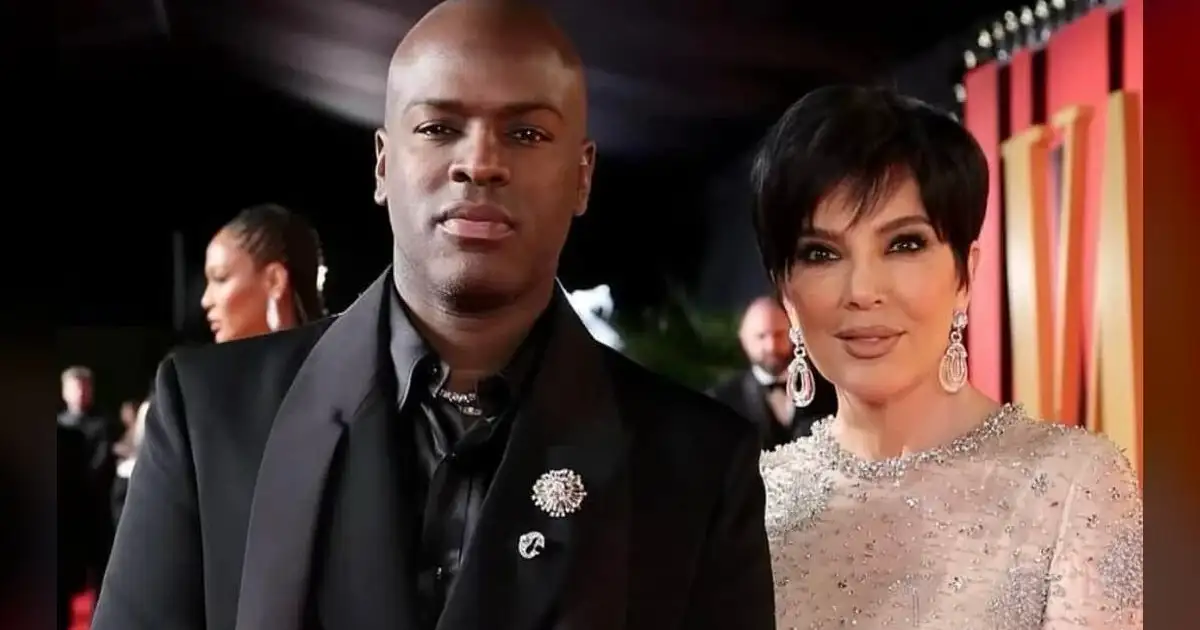

At 70 years old, Kris Jenner, the matriarch synonymous with reality TV and a meticulously curated image, has finally pulled back the curtain on a secret many suspected: her use of Ozempic for weight loss.
This isn’t just another celebrity confession; it’s a stark, flashing red light for public health, especially as her admission surfaces amidst swirling rumors about her recent facelift results “slipping.”

The reality TV queen confirmed her Ozempic use in a recent interview, directly linking the rapid weight loss to concerns about her facial aesthetics.
For a science communicator like myself, this isn’t just another headline; it’s a blaring siren, exposing the dangerous intersection of celebrity influence, body image pressures, and the off-label use of powerful prescription drugs.
Ozempic, or semaglutide, is a GLP-1 receptor agonist primarily approved for managing type 2 diabetes. Its efficacy in promoting weight loss is an undeniable side effect, leading to its explosive off-label prescription.
The market is staggering: global sales for GLP-1 agonists like Ozempic are projected to hit a colossal $100 billion by 2030. This insatiable demand has created severe supply shortages, leaving actual diabetic patients struggling to access their life-saving medication. Their health, quite literally, is being jeopardized for cosmetic desires.
The Unflattering Truth of “Ozempic Face”
The term “Ozempic face” isn’t a sensationalized internet fad; it’s a clinically observed phenomenon.
It describes the rapid and often dramatic loss of subcutaneous fat in the face, a direct consequence of significant, quick weight reduction. This sudden depletion of facial volume leaves individuals looking gaunt, hollowed, or considerably older than their years.
Dermatologists and plastic surgeons I’ve spoken with confirm this isn’t just anecdotal; it’s a regular occurrence in their practices.
It’s a stark reminder that when the body sheds weight rapidly, it doesn’t discriminate. Your face, with its delicate balance of fat pads and collagen, takes a significant hit, often revealing underlying bone structure and exacerbating fine lines and wrinkles.
As one source close to the family noted, this isn’t merely a matter of perception; it’s a fundamental physiological reality:
“Kris has been open with her inner circle about using Ozempic… The facelift discussion came up because she’s noticed changes in her facial structure since losing weight.”
This rapid change can be particularly jarring for those who have invested significantly in cosmetic procedures designed to restore youthful volume and firmness.
Facelifts, Weight Loss, and Costly Consequences
Can Ozempic truly make a facelift look worse? Absolutely.
This is where the cruel irony of chasing eternal youth through multiple interventions becomes painfully clear.
Plastic surgeons universally advise patients to reach a stable weight before undergoing a facelift. Facelifts work by lifting and tightening existing skin and underlying tissues, relying on natural facial volume for a smooth, natural-looking result.
When that underlying fat volume disappears quickly post-surgery, the very foundation the facelift was built upon erodes.
The skin, once taut, can appear looser, even saggy again. This effectively “undoes” some of the expensive tightening effect, potentially requiring further, costly interventions.
Imagine investing thousands, even tens of thousands, in a procedure only to have a subsequent weight loss drug undermine its very purpose. It’s a devastating financial and emotional blow.
While Ozempic doesn’t directly damage collagen, the sudden volume reduction can stretch already compromised skin.
For someone like Jenner, with mature, less elastic skin, this can make fine lines and wrinkles appear more pronounced and create an aged, deflated look.
The advice from medical professionals to stabilize weight first isn’t just a suggestion; it’s a critical prerequisite for optimal, lasting surgical results. Jenner’s experience serves as a high-profile, cautionary tale for anyone considering similar paths.
The Kardashian Effect: A Public Health Reckoning
Kris Jenner’s transparency might be framed as brave, but in the context of her family’s immense cultural influence, it only amplifies a dangerous trend.
Her admission normalizes the off-label use of powerful prescription drugs for purely cosmetic purposes, creating a ripple effect of public expectation and demand that can have dire consequences.
The ethical implications here are not just significant; they’re a chasm we’re collectively falling into.
Celebrities, often without fully disclosing the risks, side effects, or long-term implications, become unwitting (or perhaps witting) health trendsetters. Ordinary people, seeing the “results” on their screens, are lured by the promise of a quick fix.
They then face exorbitant costs, insurance hurdles for off-label use, and potential health risks. Meanwhile, diabetic patients, whose lives depend on these medications, suffer from critical drug shortages.
The public reaction online has been, predictably, brutal and insightful.
Social media platforms are flooded with cynical theories, many viewing this as a calculated deflection from recent “facelift fail pics” that circulated widely.
As one Reddit comment put it bluntly, encapsulating the public’s skepticism:
“She’s admitting it now because the facelift sag exposed the scam.”
This isn’t just about Kris Jenner or the latest celebrity beauty secret. It’s about the immense, often unrealistic, pressure on everyone to achieve unattainable body types.
It’s about the widening gap in healthcare accessibility, where vital medications are diverted for cosmetic whims. More critically, it’s a stark reminder of our collective responsibility when wielding powerful medications and the perilous path of relying on celebrity endorsements over informed medical professionals.
The pursuit of perfection at any cost, particularly when it impacts public health and diverts vital resources, is a bitter pill for a culture addicted to instant gratification. Questioning the quick fixes and the societal pressures that make them so alluring is long overdue.
Source: Google News