
President Donald Trump pulled the plug on “Project Freedom” in less than 48 hours. This abrupt reversal came after a furious backlash from Saudi Arabia, exposing a chaotic foreign policy operation.
The entire debacle unfolded at lightning speed. A major military initiative, announced with typical Trumpian fanfare, crashed and burned within a reported 36 hours. Riyadh’s swift and unambiguous rejection sent shockwaves through Washington, leaving allies questioning who is truly in charge.

The Humiliation of “Project Freedom”
This wasn’t a strategic pivot. It was a public humiliation. Online commentators were quick to point out the pattern. Trump announced a significant military move on social media. He did this without coordinating with key allies. Saudi Arabia then delivered a sharp, decisive “absolutely not.”
This sequence of events destroys any pretense of thoughtful diplomacy. It shows a White House disconnected from its own partners. The notion that allies were notified in advance is now in tatters. Credibility, both at home and abroad, takes a massive hit.
“Project Freedom™: Now with 94% less planning than a high school group project,” one viral comment stated, capturing the widespread cynicism.
The speed of the project’s death spiral screams incompetence. It also suggests a deliberate spectacle. Many online critics believe Trump needed a headline. He needed it last Sunday. He seemingly cared little for its actual execution.
A Repeat Performance of Chaos
This isn’t new territory for the Trump administration. The announcement-without-coordination move has become his signature. He posts major policy shifts first. Then he calls vital partners later. This is no way to run a global superpower.
International partners are now openly questioning the value of coordinating with Washington. If a major initiative can be killed in less than two days, what does that say? It tells them America is unreliable. It tells them American policy is dictated by impulse, not strategy.
The cost of this impulsiveness is immense. It weakens the United States on the world stage. It emboldens adversaries watching closely. This is especially true with the ongoing US-Iran War 2026 still raging. Such blunders can have serious repercussions.
Who Pays for the Headlines?
The everyday American taxpayer ultimately foots the bill for this chaos. They pay in damaged diplomatic relations. They pay in eroded trust. They pay for a government that prioritizes media cycles over actual national security.
This episode proves the White House operates on a headline-driven model. It’s not about calculated geopolitical moves. It’s about generating buzz. It’s about appearing strong, even if that strength evaporates in 36 hours.
The cynical read suggests this was performative war theater. It was designed for the MAGA base. It aimed to show Trump “tried to act strong.” But actual allies with leverage quickly checkmated him. Now, the administration will likely try to spin it as a “pause.”
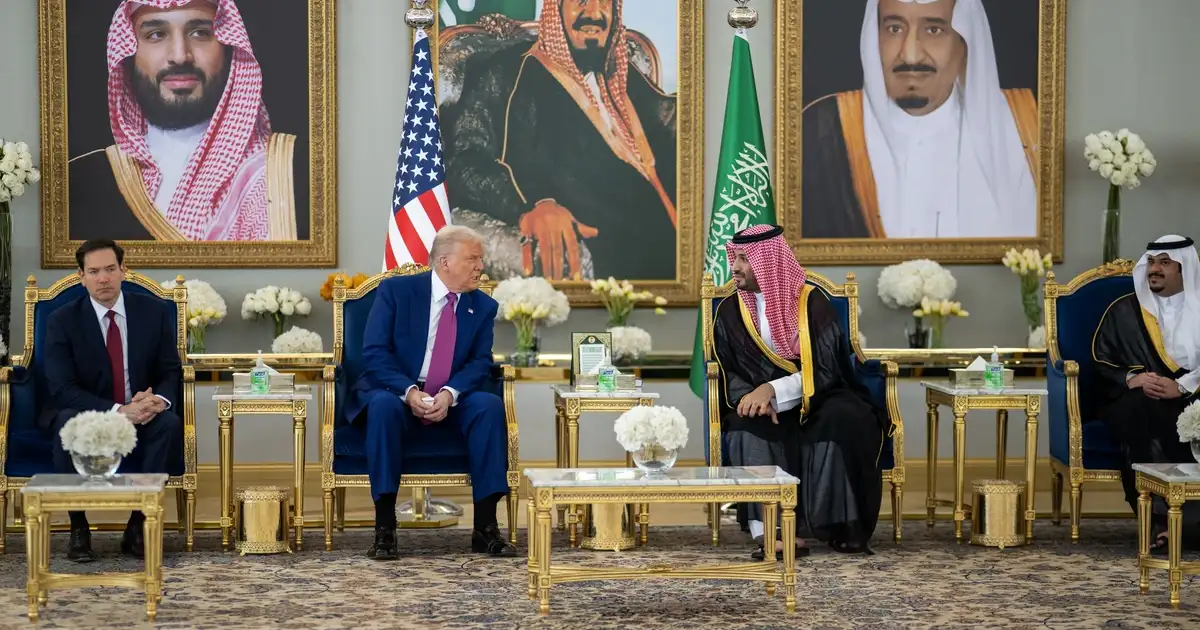
But nobody is buying it. The public discourse is brutal. It highlights the humiliation Trump faced. He was publicly blocked by Saudi Arabia, a stated ally. This is not the image of strength. It is the image of a leader out of touch.
The Erosion of American Credibility
When a president announces a major project, it carries weight. When that project is immediately canceled due to allied backlash, that weight turns to lead. It drags down America’s standing. It makes future initiatives harder to launch.
This isn’t just about “Project Freedom.” It’s about the broader perception of American leadership. Can allies trust promises from Washington? Can they rely on stated policy? This incident suggests the answer is a resounding “no.”
The administration must understand the long-term damage. These impulsive decisions chip away at the nation’s credibility. They make it harder to build consensus. They make it harder to address real global threats effectively.
The world needs a steady hand. It needs clear communication. It needs coordination. What it got this week was a chaotic announcement. It got a swift, embarrassing retraction. This is not how serious nations conduct business.
What Happens Next?
The fallout from “Project Freedom’s” demise will linger. Allies will be warier. Adversaries will be emboldened. The American public will continue to question the stability of foreign policy decisions.
Expect more attempts to control the narrative. Expect the White House to deflect blame. But the facts remain. A major initiative was announced. It was then axed. It was axed because a key partner said no.
This incident will serve as a stark reminder. Leadership demands more than just bold pronouncements. It requires careful planning. It requires genuine collaboration. It requires respect for allies.
This wasn’t leadership. It was a reckless gamble. And the American people are left to pick up the pieces of its international reputation.
Photo: Wikimedia Commons (query: Project Freedom forced)
Source: Google News