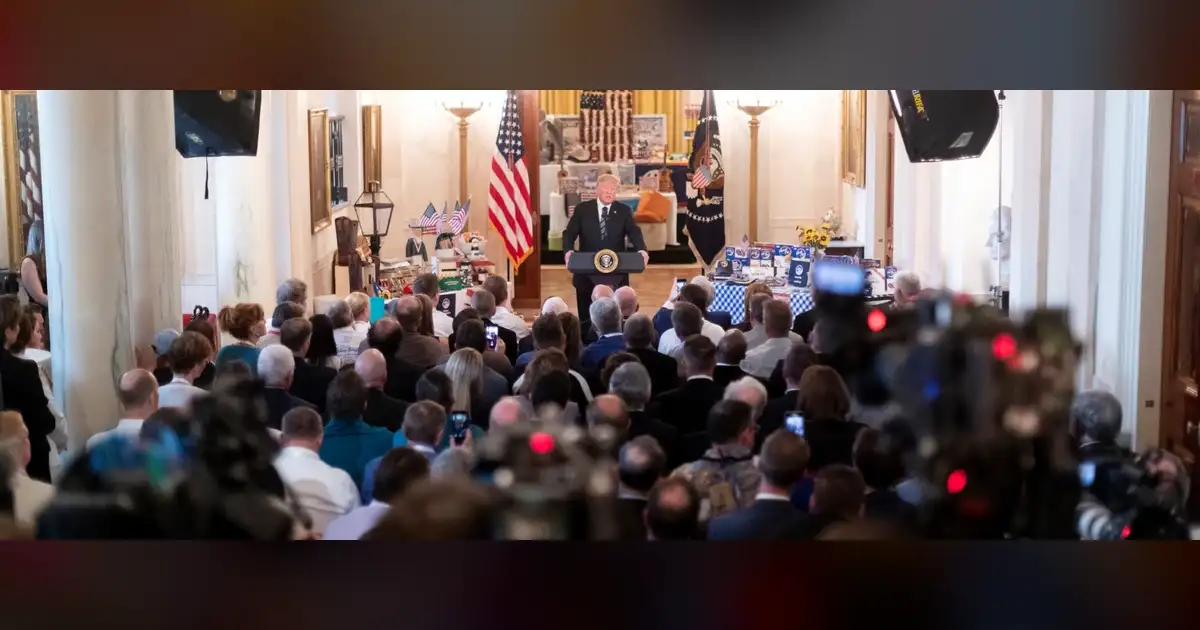

President Donald Trump delivered a stark reality check this week, promising the U.S. will “do the best we can” to contain a fatal Hantavirus outbreak. This isn’t just another health scare; tourists across five states are now under close watch, signaling a crisis far more widespread than many realize.
The outbreak involves confirmed fatalities. Public health officials are scrambling. The Centers for Disease Control and Prevention (CDC) and state health departments are on high alert.

This isn’t some distant problem; it’s hitting home, impacting travelers directly.
While specific numbers remain scarce, the presidential intervention speaks volumes. Authorities are pushing hard on contact tracing. They are also launching public awareness campaigns.
The goal is clear: find the exposed, stop the spread, and brace for impact.
The Echo of Past Failures
Trump’s “do the best we can” rings with a chilling familiarity. It’s a phrase that promises effort but lacks certainty. The public remembers previous health crises and the government’s preparedness, or lack thereof. This outbreak hits a nerve, reminding everyone of the thin line between containment and chaos.
The Hantavirus Pulmonary Syndrome (HPS) is no joke. It boasts a staggering 38% fatality rate, according to the CDC. This isn’t a common cold; it’s a severe respiratory disease.
The virus transmits through infected rodents, their droppings, or saliva. It’s not spread person-to-person, but that doesn’t make it less deadly.
Symptoms are insidious. They start with fatigue, fever, and muscle aches. Then, breathing becomes difficult as lungs fill with fluid. The incubation period can stretch up to eight weeks. This long delay makes tracing and containment a nightmare for health officials.
When Tourists Become Targets
The fact that tourists are involved complicates everything. People travel across state lines. They visit different attractions. This multiplies the potential for exposure and further spread. Monitoring individuals across five states demands unprecedented coordination.
The economic fallout will be swift and brutal. Think of the tourism industry. Hotels, restaurants, and attractions in affected regions will feel the pinch.
Cancellations are inevitable. Negative public perception is a guarantee. This hits local economies directly in the gut.
Businesses will lobby hard for rapid containment. They need clear communication. The fear of an economic downturn is very real. Taxpayers will ultimately foot the bill for both containment and economic recovery efforts.
The Cost of ‘Doing Our Best’
What does “do the best we can” truly mean when the chips are down? It means resources are stretched. It means public health infrastructure is tested.
It means the federal government must deliver more than just words.
The cynics are already out in force. They point to past decisions. They highlight the dismantling of pandemic response teams. Now, a fatal rodent-borne illness is tracking across the country. The timing feels less like an accident and more like a cruel consequence.
The administration wants to project control. They want to instill confidence. But the public demands action, not just assurances. They want to know what concrete steps are being taken. They want to see actual results, not just promises.
The Unseen Fallout
The monitoring of tourists creates a logistical nightmare. Health departments in disparate states must share information seamlessly. They must track individuals who might have moved hundreds of miles. This level of cross-state surveillance is complex and expensive.
Every dollar spent on contact tracing is a dollar not spent elsewhere. Every hour a health official dedicates to this outbreak means less time for other public health initiatives. The opportunity cost is immense. The strain on local and federal budgets will be significant.
This isn’t just about sick people. It’s about public trust. It’s about the government’s ability to protect its citizens. It’s about whether “do the best we can” translates into effective action. Or if it’s just a placeholder for a more painful truth.
Accountability in Crisis
Who is truly accountable for the speed and scope of this response? The CDC is on the front lines. State health officials are working overtime. But the buck ultimately stops at the top. President Trump’s words set the tone. His administration’s actions will define the outcome.
The public is demanding transparency. They want to know the names of the five states. They want detailed information on confirmed cases. This isn’t just idle curiosity; it’s a matter of personal safety. They deserve answers beyond vague reassurances.
The political implications are clear. A botched response could be devastating. A swift, effective containment could bolster public confidence. This Hantavirus outbreak is more than a health crisis. It is a test of leadership and governmental capacity.
The Road Ahead
The coming weeks will be crucial. Health authorities must identify the source. They must contain the spread. They must provide clear, actionable guidance to the public. Anything less will fuel panic and distrust.
The “monitoring of tourists” will continue. The economic impact will become clearer. The political blame game will undoubtedly intensify. This Hantavirus outbreak serves as a harsh reminder of our vulnerabilities. It demands a response far more robust than simple platitudes.
The nation needs more than just a promise to “do the best we can.” It needs a concrete plan, fully funded and aggressively implemented. Anything less is a disservice to the American people and a gamble with public health.
Source: Google News