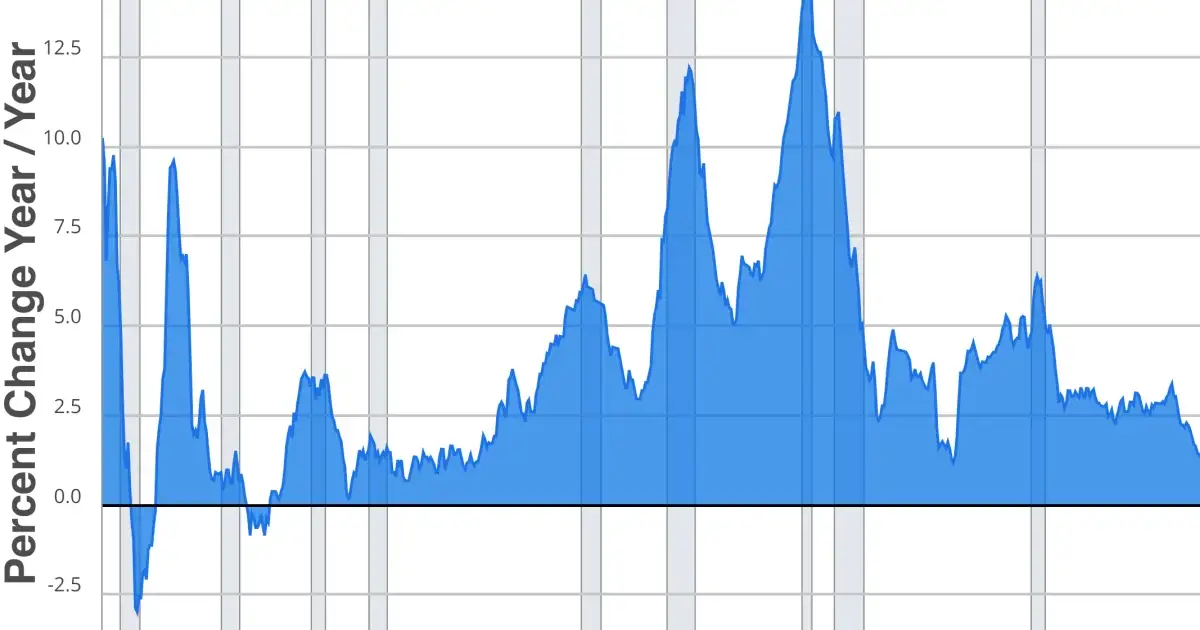

The dreaded “six out of six” recession warning isn’t just flashing red; it’s screaming a full-blown emergency. Forget abstract economic theories; this is a direct, existential threat to every American paycheck, every family’s savings, and the very stability of Main Street.
Over the last 72 hours, Washington’s economic cheerleaders have been forced to confront an undeniable cascade of dismal reports. Each one didn’t just “scream trouble”; it delivered a gut punch, collectively painting a horrifying, unvarnished picture of a recession barreling down on us.

The U.S. economy isn’t merely “sliding”; it’s on a greased pole straight into a downturn. All six of our critical recessionary indicators are failing simultaneously. This isn’t some distant Wall Street tremor; this is a seismic shift promising real, tangible pain for every household on Main Street.
The Red Lights Are Flashing Redder
The bond market, often the most prescient oracle of economic doom, is no longer merely “sending signals”; it’s blaring an air-raid siren. The 10-year Treasury yield has inverted further against the 3-month Treasury bill rate, a spread now plunging to a chilling -1%.
This isn’t just deep; it’s the deepest inversion witnessed since the eve of the 2007 financial meltdown. For those keeping score, every single U.S. recession since 1956 has been preceded by this very pattern. Are we to believe this time is different?
Not to be outdone, The Conference Board’s Leading Economic Index (LEI) didn’t just “plummet”; it nose-dived, marking its fifth consecutive monthly decline in April. An additional 0.8% drop is not a blip; it’s a clear, sustained contraction in economic activity, a chilling harbinger of what’s to come.
Manufacturing, the very backbone of American industry, isn’t just “in a deep hole”; it’s suffocating. The ISM Manufacturing PMI for April registered a dismal 48.2, extending its streak to a staggering seventh consecutive month below 50. Let’s be clear: numbers under 50 don’t just “mean the sector is shrinking”; they mean factories are idling, orders are drying up, and a vital engine of our economy is sputtering towards a halt.
If you want to understand the national mood, look no further than consumer confidence: it’s utterly shot. The latest index plummeted sharply to 95.5. Why? Because ordinary Americans are rightly terrified by relentless inflation, punitive interest rates, and the gnawing uncertainty of a job market that feels increasingly precarious. This isn’t just a “signal” of a pullback; it’s a guarantee of choked spending, the very lifeblood of our consumer-driven economy.
Even the supposedly “robust” job market is now visibly wobbling, threatening to buckle. Initial jobless claims didn’t just “surge”; they exploded to 245,000 for the week ending May 4, 2026, blowing past even the most pessimistic economists’ forecasts. This isn’t a mere “weakening labor market”; it’s a stark indicator that the layoffs are accelerating, and the era of easy employment is rapidly fading.
And finally, retail sales, the engine of two-thirds of our economy, are not merely “dead in the water”; they’re sinking fast. April 2026 data revealed not growth, but utter stagnation, with sales crawling up by a pathetic 0.1% month-over-month. This didn’t just “fall short of expectations”; it was an unmitigated disaster, a flashing red light confirming that American consumers are tightening their belts, or simply have no more to give.
Who Pays the Price? You Do.
Let’s be brutally clear: these aren’t just abstract numbers flickering on a Bloomberg terminal. They are stark, undeniable indicators of real, impending hardship for millions of Americans. When manufacturing contracts, good-paying jobs don’t just “vanish”; entire communities are gutted. When consumer confidence craters, businesses don’t just “suffer”; they shutter, they lay off staff, triggering a vicious, downward spiral that traps families in its wake.
Who will bear the brunt of this economic storm? The average American taxpayer, of course. Your grocery bills, already crippling, will continue their relentless climb. Your mortgage and auto loan rates, already exorbitant, will remain stubbornly high. And your job security? That precious commodity will erode with terrifying speed. This isn’t just a “predictable outcome”; it’s a cruel, calculated consequence of Washington’s economic malpractice.
Expect the predictable, infuriating spin from Washington’s elites. They always do. The current administration will undoubtedly cling to phantom “underlying strength” in select service sectors, or peddle the ludicrous notion of a “controlled deceleration.” But let’s call it what it is: pure, unadulterated fantasy. The cold, hard data doesn’t just “scream recession”; it’s a deafening roar that no amount of political rhetoric can drown out.
Officials may desperately “hope” for a miraculous “soft landing,” but that’s a pipedream worthy of a children’s book. These six indicators, collectively, boast a near-perfect track record of predicting every major downturn in modern history. To ignore them now isn’t just “economic malpractice”; it’s a deliberate, cynical betrayal of the working class, setting them up for an inevitable fall.
The Washington Swamp’s Game
Even the usually cautious economists at powerful institutions like JPMorgan and Goldman Sachs are no longer merely “sounding alarms”; they are openly raising their recession probability forecasts to levels not seen in years. They, unlike the political class, clearly see the writing on the wall. The collective “red flash” from these indicators isn’t just “undeniable”; it’s a stark, unambiguous warning that even the most insulated boardrooms can no longer ignore.
But the political class? They operate on an entirely different plane of reality. The administration, naturally, will continue to downplay this escalating crisis, unwilling to admit culpability or failure. They will invent external boogeymen, deflect blame, and sidestep accountability at every turn, all while the economy crumbles around them.
And let’s be honest, opposition politicians are no better. They don’t “seize on these warnings” to genuinely help; they weaponize them, criticizing the administration’s policies with righteous indignation, yet offering precisely zero concrete, actionable solutions. For them, it’s not about your financial survival; it’s a cynical game of scoring cheap political points. Your impending struggles are merely fodder for their next press release.
Meanwhile, the truly pragmatic actors – business leaders – are already battening down the hatches. Major corporations aren’t just “planning to tighten budgets”; they’re implementing aggressive cost-cutting measures, freezing hiring, and slashing capital expenditures. They see the storm coming, clear as day, and their priority is protecting their bottom line, not the livelihoods of their employees or the prosperity of the nation.
This, my friends, is the naked truth of how power operates in Washington and on Wall Street. The elites protect themselves first, always. They will insulate their vast wealth, their political careers, and their corporate profits. The crushing burden of this recession, however, will fall squarely and disproportionately on the shoulders of everyday Americans, who are, as always, left holding the empty bag.
Cynicism From the Streets
The public, bless their cynical hearts, isn’t fooled by any of this carefully crafted spin. From the irreverent chaos of Reddit’s r/WallStreetBets to the sharp-witted finance community on X, there’s a palpable sense of “we’ve seen this show before.” They routinely dismiss warnings from big banks as nothing more than “paid fearmongering,” and who can blame them?
“He’s shorting the market while we YOLO calls,” one WSB ape snarked,
Photo: Wikimedia Commons (query: American economy)
Source: Google News