
The brutal truth of public life is that even the most profound personal tragedies are instantly dissected, analyzed, and integrated into a celebrity’s ongoing narrative. For Jeff Probst, the architect and relentless host of Survivor, this harsh reality has just hit home with the death of his brother, Scott Probst, at the age of 58. This isn’t just a personal loss; it’s a strategic test for a man whose career thrives on raw emotion.
His public response to his own grief has been notably, and perhaps deliberately, muted.

Currently immersed in the demanding, high-stakes environment of filming Survivor Season 51 in Fiji, Probst finds himself in an intense situation. While the cameras capture the manufactured drama of island survival, a very real, very personal tragedy undoubtedly weighs heavily on him. The silence from Probst himself, a man famed for orchestrating and narrating emotional arcs, is deafening.
It stands in stark contrast to the dramatic, often tearful, emotional stakes that define his show, leaving a void that the public, ever hungry for authenticity, is quickly filling with speculation.
The Probst Family Playbook: A Study in Strategic Silence
The initial confirmation of Scott’s passing arrived not from Jeff, but from another brother, Brent Probst, whose poignant quote, “I’m so sad he is gone,” was the first public acknowledgment. This distinction is critical. It immediately raises red flags for anyone analyzing the public relations strategy at play.
Why the proxy? Why not the man whose face defines the very concept of emotional vulnerability on television?
Sources close to the Probst camp have long pointed to his tendency to draw directly from personal life experiences. He uses these to inform his empathetic, almost pastoral, approach with Survivor contestants. He frequently explores themes of loss, struggle, and resilience, mirroring the journeys of those vying for a million dollars.
This deeply personal, almost confessional, style is a cornerstone of his brand. Yet, in this moment of profound personal loss, that very brand of open emotion is conspicuously absent.
Former contestant Adam Klein offered simple condolences, stating he was “terribly sorry.” Kendra McQuarrie echoed the sentiment with a brief “so sorry.”
These are the polite, almost perfunctory messages one might expect, but they hardly constitute a wave of public mourning or deep empathy for Jeff Probst’s personal struggle. This controlled, almost sterile, outpouring suggests a carefully managed narrative, or perhaps, a complete lack of one. Probst himself has yet to release a public statement, a strategic decision that, in the age of instant information and emotional transparency, carries significant risk.
Timing and Public Perception: The Unseen Game
The timing of Scott’s death is not merely notable; it’s a strategic data point for the public. It follows the passing of Probst’s mother in 2024, an event significant enough for Survivor to air a tribute card.
Now, with another family tragedy, the internet, ever the unforgiving jury, is connecting the dots with cynical precision. The digital arena is not holding back its punches.
“Convenient timing” is a phrase gaining traction on X, while Redditors on r/conspiracy are openly whispering about “nepotism hire croaks at prime lawsuit age.” They are drawing direct, unflattering lines to Probst’s wife, Lisa Ann Russell, whom he famously described as “she kicks ass.” The public is scrutinizing every angle, every perceived advantage.
Scott Probst’s reported history of holding “token camera/art gigs” for Survivor since 2000 only fuels these nepotism claims, adding gasoline to the fire of public skepticism. “Bro got the gig, flamed out at 58—Survivor’s real survivor is Jeff’s check,” one X troll quipped, cutting straight to the perceived core of the issue.
The public, it seems, has developed an acute sense for manufactured pathos, and they are not buying what they perceive as a carefully constructed silence. The “PR blackout” screams from Probst’s physical absence in Fiji, making direct comment impossible for now.
Yet, the sheer lack of an immediate, emotional public reaction from Jeff himself is striking. It leaves a strategic vacuum, a void that the public is only too eager to fill with its own cynical narratives and speculative theories. This isn’t just a personal choice; it’s a gamble in the unforgiving game of public perception.
The Business of Grief: A High-Stakes Calculation
Survivor, at its core, thrives on raw, unscripted emotional experiences. Probst has consistently championed this as the show’s defining appeal, its very lifeblood. His role demands not just hosting, but a profound level of emotional intelligence – a capacity he often attributes to lessons learned from his own life, including handling difficult news and personal setbacks. He has built his brand on the back of authentic human struggle.
Probst has frequently spoken about the delicate balance between his high-profile career and his private life. He details the sacrifices and emotional labor involved in maintaining his persona while being a husband to Lisa Ann Russell and a stepfather. These discussions often highlight the ongoing weight of life’s responsibilities, underscoring that heartbreak isn’t always a single dramatic event, but often the quiet, grinding struggles families face away from the spotlight.
But when a public figure’s family tragedy surfaces, the spotlight intensifies, demanding a specific kind of performance. The public expects a certain response to personal grief from those who trade in public emotion. When that response is absent, delayed, or perceived as inauthentic, questions inevitably arise.
Is this genuine grief, or is it merely another calculated move within the larger entertainment machine? The public discourse, rife with skepticism, suggests a growing distrust. “Family curse or CBS script? Season 50 finale needs drama,” one Redditor joked, encapsulating a cynical view that celebrity grief can be weaponized, used to generate ratings or maintain relevance.
This perception, whether fair or not, chips away at the carefully constructed facade of authenticity that Probst has cultivated over decades. Probst champions vulnerability and authenticity on his show, a personal philosophy that suggests he understands life’s emotional rollercoasters intimately.
Yet, the specifics of his brother’s situation remain shrouded in privacy. This stark clash between his public philosophy and his private actions fuels suspicion in the age of constant information, where every detail is expected and every silence is scrutinized.
The news of Scott Probst’s death is, without question, a profound tragedy for the family. But in the harsh, unforgiving light of public scrutiny, it becomes more than that. It transforms into another data point in the ongoing analysis of Jeff Probst’s image.
This is weighed against the formidable business of a long-running reality show. This situation underscores the brutal, tactical reality of public life: even the most personal tragedies become part of the narrative, a strategic play. The audience doesn’t always buy the script.
They are looking for the real motives, the real consequences, behind the headlines. They are looking for the truth.
Jeff Probst faces a formidable challenge. He must handle the treacherous waters of personal loss while simultaneously upholding the very public persona that has defined his career. The game of public perception is often far tougher than any Survivor challenge.
It demands a level of strategic transparency that Probst has, thus far, withheld. He must show his hand, and soon, or risk the audience making their own definitive, and potentially damaging, calls.
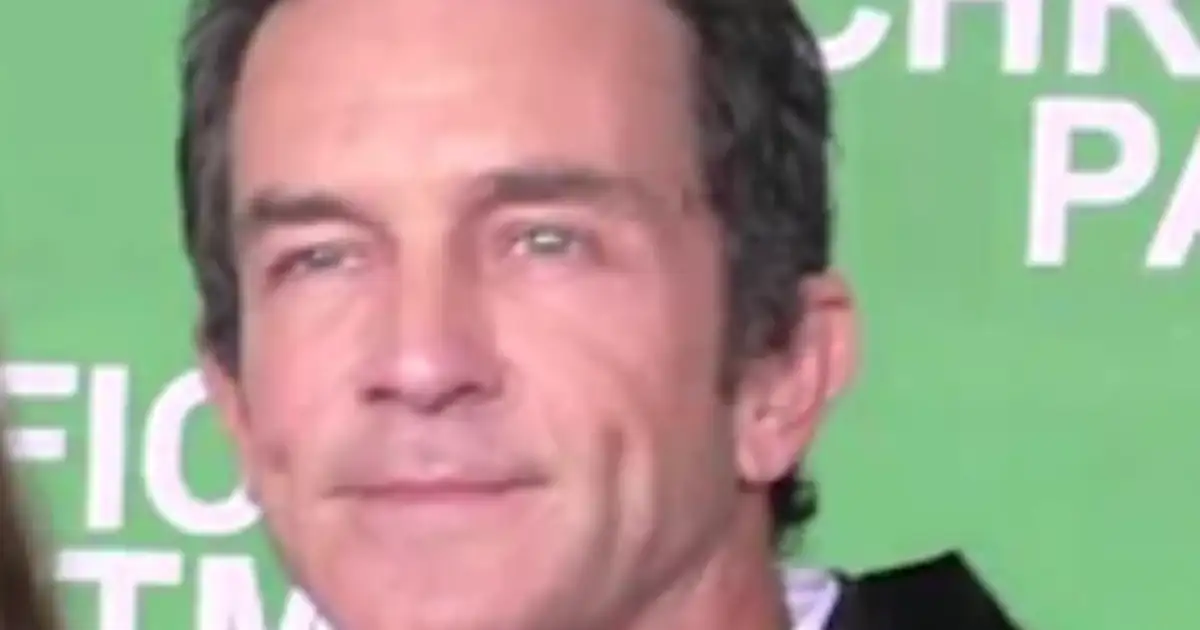
Photo: Wikimedia Commons (query: Jeff Probst)
Source: Google News