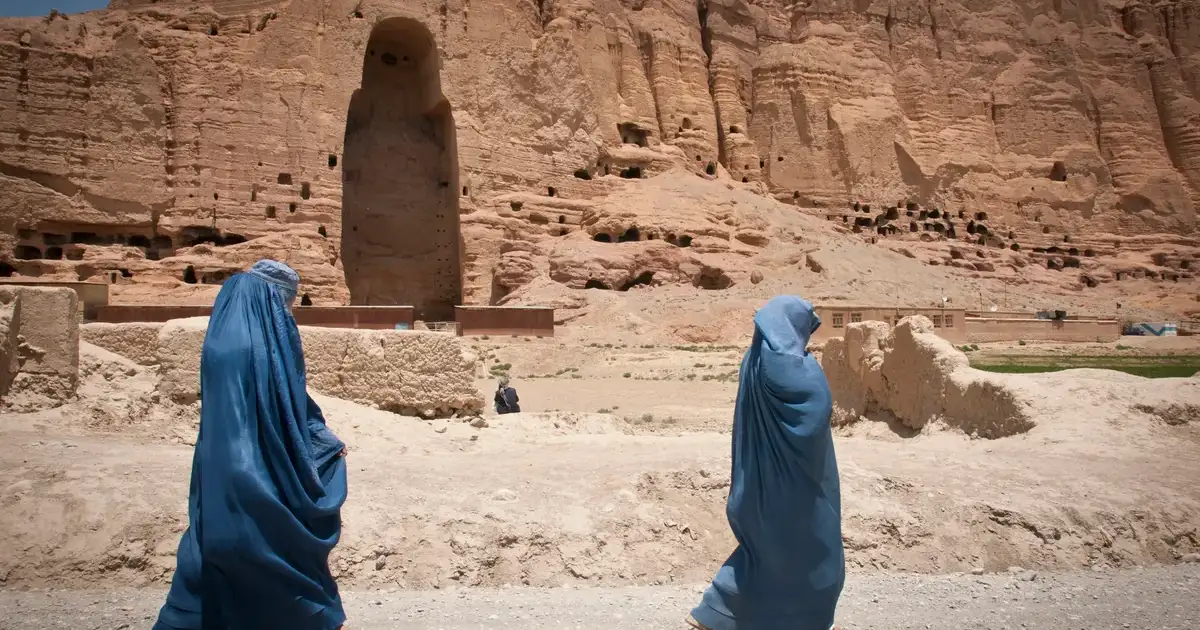

The Taliban’s brutal crackdown on women and girls in Afghanistan is not merely a human rights violation; it is a calculated, state-sanctioned assault on public health, tearing at the very fabric of well-being. This isn’t just about forced dress codes; it’s about systematic violence designed to subjugate, silence, and erase half the population, with devastating health consequences.
Since June 6, 2026, reports from organizations like Reuters and The Guardian confirm a severe escalation in Taliban enforcement across major cities including Kabul, Kandahar, and Herat. Women and girls are being arrested on an unprecedented scale for alleged dress code violations, often for minor deviations from the Taliban’s extreme interpretations. These detentions are not isolated incidents; they are part of a coordinated campaign of intimidation.

When brave citizens dared to protest these arbitrary arrests and the escalating oppression, the Taliban responded with shocking, indiscriminate force. Protesters have been shot, beaten, and brutalized in the streets. This direct, public violence sends a chilling message: dissent will be met with severe physical harm, turning public spaces into arenas of fear.
The Immediate & Devastating Health Fallout
The physical injuries inflicted during these attacks are just the immediate, visible wounds of a much deeper health crisis. Beatings result in severe bruises, fractures, and internal trauma, often requiring extensive medical intervention. Shootings cause life-threatening wounds that demand urgent surgical care, a luxury often unavailable or actively denied to victims in Afghanistan’s crippled healthcare system.
But the horror doesn’t end with the initial assault. Access to medical facilities is already a perilous journey for women under Taliban rule, who often cannot travel without a male guardian or face harassment at checkpoints.
Now, the pervasive fear of reprisal – of being identified, re-arrested, or further attacked at clinics – acts as a powerful deterrent, preventing injured women from seeking the care they desperately need. This directly impacts survival rates, prolonging suffering and leading to permanent disabilities.
Beyond the immediate physical harm, the psychological toll is immense and far-reaching.
Witnesses and victims alike are grappling with acute stress disorder, crippling anxiety, and post-traumatic stress disorder (PTSD). Imagine living under the constant threat of violence, where a simple walk outside could lead to arrest or assault.
This creates a pervasive, suffocating climate of fear that erodes mental health, leading to chronic depression, panic attacks, and a profound sense of hopelessness. How can a society thrive when its citizens are constantly terrorized?
A Systemic Assault on Women’s Health and Rights
This brutal crackdown isn’t a random act; it’s a deliberate, systematic dismantling of women’s rights, with direct and catastrophic implications for public health.
The Taliban’s actions are actively destroying the health infrastructure for half the population. When women are denied freedom of movement, education, and employment, they are cut off from doctors, clinics, and essential health services. This isn’t just an inconvenience; it’s a death sentence for many.
Consider the most vulnerable: pregnant women, new mothers, and those managing chronic conditions like diabetes or heart disease. Delayed or denied access to prenatal care, safe childbirth facilities, or regular medication leads directly to preventable deaths and disabilities.
Maternal mortality rates, already tragically high, are set to soar. This isn’t just a prediction; it’s a public health disaster unfolding before our very eyes, driven by ideology, not medical necessity.
The psychological impact extends far beyond individual victims, scarring entire communities and generations. Children witness their mothers, sisters, and neighbors being brutalized, internalizing trauma that will affect their mental health development, their ability to form healthy relationships, and the very stability of Afghan society for decades to come. The long-term societal cost of this collective trauma is immeasurable.
The Long Shadow of Fear and Control
The Taliban’s tactics create an environment of perpetual surveillance and judgment. Women are constantly scrutinized for their attire, their movements, their very existence in public spaces.
This relentless pressure triggers chronic stress responses, devastating mental health, and fostering widespread depression, anxiety, and learned helplessness. It forces women into isolation, severing vital social support networks and further limiting their already precarious access to healthcare.
This enforced isolation exacerbates existing mental health challenges and makes reporting abuses nearly impossible. Who do you turn to when the state itself is the perpetrator, and every avenue for help is fraught with danger?
The “dress code” is a flimsy pretext for total control.
The real, undeniable goal is to erase women from public life, to confine them to the home, and to strip them of their autonomy. This erasure has profound, devastating health consequences for women and, by extension, for the entire nation.
What Happens Next? The World Cannot Look Away.
The international community must move beyond condemnations and acknowledge the profound public health crisis ignited by this violence. Ignoring these abuses, or offering only lukewarm responses, only emboldens the Taliban’s brutality. The global silence is not merely complicit; it actively enables further suffering and accelerates this health catastrophe.
Humanitarian aid must urgently prioritize mental health services and ensure safe, accessible medical care for women. These services are not optional; they are critical lifelines, yet they are consistently the first to be cut, restricted, or deemed secondary. We need dedicated funding, safe corridors, and innovative approaches to reach those most in need, bypassing the Taliban’s oppressive structures wherever possible.
The Taliban’s brutal crackdown is a direct assault on public health, a calculated move to terrorize and subjugate women and girls. The world cannot, must not, look away as women are shot, beaten, and systematically denied their fundamental right to health and dignity for daring to exist. The question isn’t whether we can act, but whether we have the moral courage to do so before it’s too late.
Source: Google News