
Hollywood, ever the master of illusion, has once again been forced to confront a brutal reality behind its glittering façade. The devastating news that Daveigh Chase, the iconic voice of Disney’s beloved Lilo Pelekai, was found “skin and bones” on Skid Row, a harrowing period mere months before her untimely death, has sent a seismic shockwave through the entertainment world. This isn’t just a grim headline; it’s a stark, visceral re-evaluation of the industry’s often-predatory relationship with its most vulnerable assets: child stars.
The irony is as cruel as it is profound. For months leading up to this tragic revelation – and indeed, to her passing – Chase had been a poignant, even hopeful, public presence. She was, after all, the original, inimitable voice of Lilo Pelekai, and her reflections on the upcoming live-action adaptation of Disney’s 2002 classic had captured the public’s imagination, offering a bittersweet glimpse into the mind of a talent inextricably linked to a generation’s childhood.

Hollywood’s Unseen Scars
Hollywood, that gilded cage, often boasts of crafting dreams, yet it frequently leaves nightmares in its wake. The grim details about Chase’s final months on Skid Row are not merely a singular tragedy. They expose a festering wound within an industry notorious for devouring its young. Child actors, thrust into the spotlight, often lack guidance or robust support systems. Their early triumphs are paraded as industry successes, but their stumbles are too often met with indifference, or worse, outright abandonment.
Daveigh Chase was no fleeting novelty. She captivated millions, her voice imbuing Lilo with a spirit both feisty and vulnerable. She then chilled audiences as the spectral Samara Morgan in The Ring, proving a versatility that belied her years. Her talent was undeniable, her contributions indelible. How could such a luminary, a cornerstone of beloved cultural touchstones, find herself in such abject desperation? The question itself is a damning indictment of an industry that profits from innocence then discards it with chilling regularity.
A Legacy Reimagined Amidst Turmoil
The cruelest twist in this tragic narrative lies in the poignant echoes of Chase’s past engagement with her most iconic role. Just months before her descent into destitution and subsequent passing, Chase had been, by all accounts, a beacon of grace and nostalgia, publicly embracing the impending live-action Lilo & Stitch film, anticipated for late 2026 or early 2027. Her comments, now imbued with a profound, almost unbearable irony, expressed a deep reverence for the original and a fervent hope that the new iteration would capture its singular spirit.
In an interview with CinemaScope Weekly in late 2025, a conversation now hauntingly prescient, Chase shared an enthusiasm that belied the private torment that would soon consume her. She remarked, “It’s incredible to think that a story I helped bring to life over two decades ago is being reimagined for a new generation.” Her words, delivered with a warmth that now feels heartbreakingly distant, painted a picture of an artist deeply connected to her craft.
“Lilo was such a special character – fiercely independent, a little bit quirky, and with an immense capacity for love. She resonated with so many, and I truly hope the new film honors that.”
She spoke eloquently of the original film’s pioneering blend of Hawaiian culture and sci-fi, its tender exploration of ‘ohana, or family – themes that, in retrospect, underscore the very support system she so desperately lacked. Her words, once projecting optimism, now serve as a stark, almost unbearable contrast to the grim tableau of her final days, a public face of hope masking a private abyss.
The Industry’s Reckoning
The chasm between Chase’s public persona and her private torment is not merely ‘jarring’; it’s a gaping wound in the collective consciousness of an industry that thrives on fantasy. One moment, we recall an artist reflecting with poignant hope on a cherished classic; the next, we are confronted with the raw, brutal reality of her final, desperate struggles. This isn’t just the human cost of fame; it’s a damning indictment of a system that commodifies talent, then discards the human being behind it.
Cultural critics, myself included, have lauded Chase’s distinctive vocal performance as central to Lilo’s enduring charm. Her portrayal was a masterclass in nuanced emotion, capturing a child’s profound loss and loneliness. This depth and raw authenticity is precisely why Lilo & Stitch resonated so deeply. The renewed focus on the franchise had briefly brought Chase back into the cultural conversation. It reminded us of her significant, multifaceted contributions. Beyond Lilo, she chillingly embodied Samara Morgan; her sister, Dakota Fanning, voiced Chihiro in Spirited Away, a common point of confusion that highlights the family’s pervasive talent.
But the applause, the accolades, the nostalgic reflections – what were they worth in the face of such profound personal devastation? How could an artist of her caliber, with a celebrated career, fall so far, so tragically? These aren’t rhetorical questions. They are urgent demands for accountability, piercing through Hollywood’s gilded veil to ask: are child stars truly protected, or merely exploited?
The posthumous revelation about Daveigh Chase isn’t just a tragic footnote; it is a clarion call for a long-overdue reckoning. This industry has historically prioritized profit over people. We are compelled to scrutinize the systemic failures in how Hollywood shepherds its young talent. Fame, as Chase’s story so brutally illustrates, is an ephemeral mistress. Resources for former child stars, especially those struggling to transition, are often woefully inadequate, if they exist at all.
Consider the upcoming live-action Lilo & Stitch. It boasts a promising cast: Maia Kealoha as Lilo, Sydney Agudong as Nani, and Zach Galifianakis in a key role. Crucially, Chris Sanders, the original co-director, reprises his iconic voice role as Stitch. This forges a direct link to the magic Chase helped create. Her past enthusiasm for this remake, her genuine desire to see her legacy honored, now feels like a ghostly whisper from a happier time. It highlights her enduring connection to a world that, ultimately, failed her. The glitz and glamour of Hollywood, it seems, are merely a thin veneer. It barely conceals an abyss of profound pain and neglect.
As anticipation for the live-action film builds, so too must our recognition of foundational work by artists like Chase. Her legacy as Lilo is, and will remain, cherished – a vibrant, indelible part of cinematic history. This new, devastating information doesn’t merely complicate that legacy; it irrevocably alters it. It stains it with profound, infuriating sadness. It forces us to ask: how many more bright young talents must flicker out before the industry lights a path to genuine, lifelong support?
Daveigh Chase’s story is more than a tragic mirror reflecting Hollywood’s brutal underbelly; it is a searing indictment. It demands not just a serious conversation, but a seismic shift in how we value the fleeting innocence and profound vulnerability of those we lionize on screen. What does it say about us when individuals who bring us joy are left to perish in the shadows? Their light extinguished by the very system that created them. The question is not merely how we can protect them, but whether Hollywood, in its relentless pursuit of the next big thing, even truly cares to try.
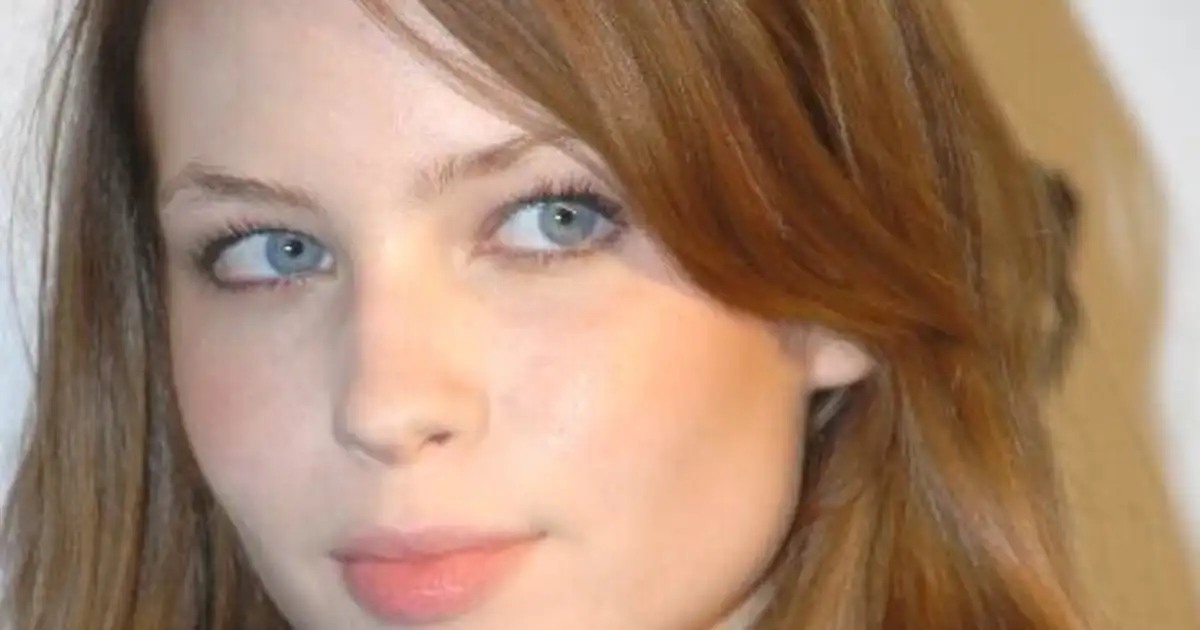
Photo: Wikimedia Commons (query: Daveigh Chase)
Source: Google News