
The political establishment, so often caught in its own rhetorical smog, now faces a far more tangible, suffocating reality: America’s lungs are burning. This isn’t merely a bad week for air quality; it’s a profound, choking reality check for a nation drowning in political hot air, as three major US cities—Denver, Houston, and New York City—just ranked among the most dangerous places to breathe worldwide.
The air quality emergency didn’t just ‘explode’; it suffocated. Alerts, grim and persistent, spread like the wildfire smoke itself, trapping millions indoors, forcing them to confront the basic, terrifying struggle to draw a clean breath. This isn’t a localized incident; it’s a national indictment.

Cities Under Siege: A Choking Reality
This crisis didn’t merely ‘escalate’; it surged, overwhelming cities across the continent with distinct but equally dangerous pollutants. The common, damning thread? A stunning, systemic failure of governance to protect public health.
- Denver, Colorado: On July 14-15, Denver’s Air Quality Index (AQI) soared past 300, hitting “Hazardous” levels. Massive wildfires across Colorado, Wyoming, and Utah spewed thick, acrid smoke directly into the city. Schools became ghost towns, and Denver’s vibrant outdoor life simply ceased, replaced by a pervasive, acrid pall.
- Houston, Texas: Simultaneously, Houston battled “Very Unhealthy” air. AQI levels frequently topped 150. This wasn’t just distant smoke; it was a deadly brew of ground-level ozone from unchecked industrial emissions, supercharged by temperatures consistently over 100°F. Hospitals, already stretched, reported a staggering 20-30% jump in respiratory emergencies. This grimly highlighted the silent assault on the city’s most vulnerable.
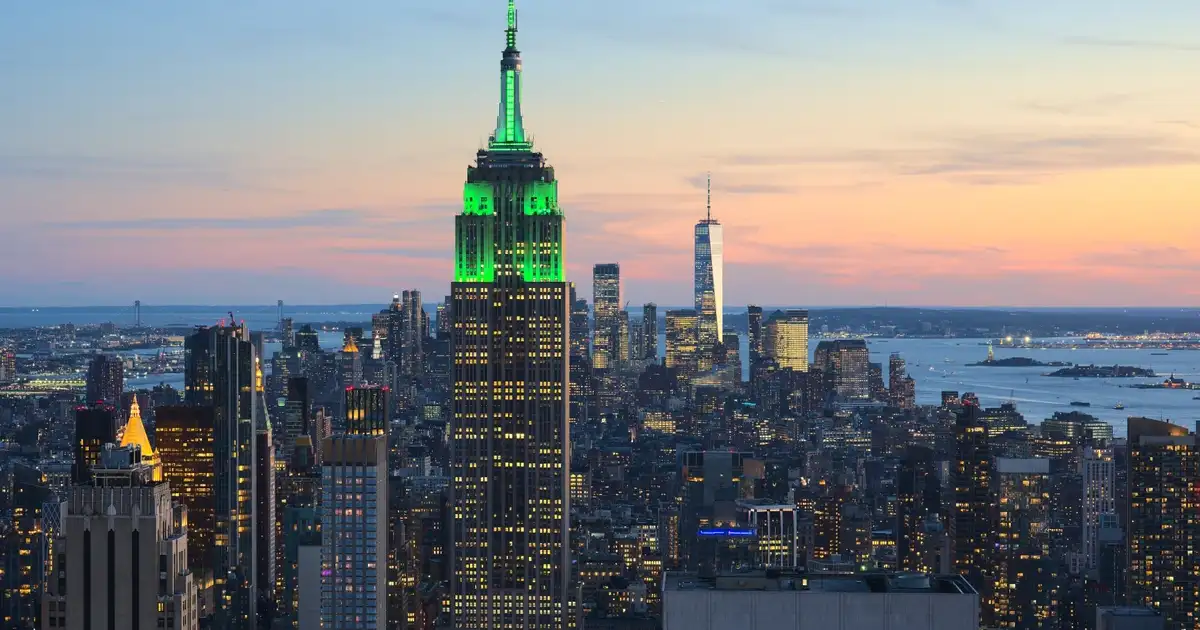
- New York City, New York: By July 15-16, a suffocating haze blanketed the Northeast. New York City’s AQI hit “Unhealthy,” with some areas reaching “Very Unhealthy.” A potent mix of regional industrial pollution and distant wildfire smoke left commuters gasping. Flights were grounded, the iconic skyline vanished, and the city that never sleeps found itself gasping for air, a stark reminder of its environmental fragility.
Real-time monitors like IQAir didn’t just show; they screamed, revealing these American metropolises competing for the ignominious top spots with notoriously polluted capitals across Asia and Africa. The Environmental Protection Agency (EPA) issued frantic, almost desperate advisories. This isn’t a drill; it’s an unfolding, undeniable disaster playing out in plain sight.
The Political Smokescreen
This air crisis isn’t just about atmospheric conditions; it’s a political minefield. The Trump administration, which has long championed deregulation and derided “Green New Deal fanatics,” now finds itself choking on the undeniable reality of environmental decay. Suddenly, almost comically, the tune changes from dismissive rhetoric to an astonishing acknowledgment of “urgent needs.”
EPA Administrator Maria Rodriguez, a figure not typically associated with environmental alarm bells, delivered a statement that would have been unthinkable just months ago:
“This crisis underscores the urgent need for comprehensive environmental policies and robust federal action to protect public health from the escalating impacts of a changing climate.”
This isn’t just a reversal; it’s a breathtaking ideological contortion. The very party that has systematically prioritized deregulation and fossil fuel interests now, with the air literally unbreathable, suddenly talks about climate action. It’s not a pivot; it’s a cynical, convenient scramble for political cover.
Public health advocates, long ignored, are not just “furious”; they are incandescent. Dr. Elena Ramirez, Director of Environmental Health at the University of Colorado, minced no words, cutting through the political spin with scientific clarity:
“This is not just a weather event; it’s a climate emergency playing out in our lungs. We need immediate, decisive action, not just rhetoric.”
She is unequivocally right. The political class, masters of deflection, are quick to point fingers, yet glacially slow to implement actual solutions that would inevitably hit their corporate donors where it truly hurts: the bottom line.
Who Pays for the Toxic Air?
The answer, stripped of political euphemism, is brutally simple: you do. The everyday American taxpayer is not just footing the bill; they are subsidizing a catastrophic failure of environmental governance. When cities choke, it’s not just an inconvenience; businesses shutter, flights are grounded, and emergency rooms overflow with preventable suffering. This isn’t theoretical; it’s a direct assault on wallets, health, and the very fabric of local economies, manifesting in higher health insurance premiums and lost wages right now.
Preliminary data shows a 20-30% increase in emergency room visits for respiratory issues in affected cities. This means more ambulance rides, hospital beds, and medication. Taxpayers ultimately cover these costs through Medicare, Medicaid, and higher private insurance rates.
The economic impact, even in these early stages, already stretches into the hundreds of millions of dollars. This bleeding wound stems from lost productivity, canceled commerce, and shattered tourism. These aren’t abstract figures; they are direct, painful hits to local economies, disproportionately affecting small businesses and hourly wage earners.
Industry groups, with their predictable, self-serving chorus, trot out the tired argument that “overly stringent regulations” would somehow harm the economy. They preach “balanced approaches,” but what kind of balance involves letting American cities become unlivable, their citizens literally gasping for air? Their corporate balance sheets may look pristine, but your lungs, and those of your children, are paying the price.
The Hypocrisy of Power
The political blame game, a perennial favorite in Washington, is arguably the most toxic pollutant of all. President Trump’s administration, now firmly in power, isn’t just ‘grappling’ with consequences; it’s being forced to confront the direct, brutal fallout of policies it inherited and, crucially, actively exacerbated. For years, the rallying cry from Republican strongholds has been about energy independence at any cost, a mantra that conveniently sidelined environmental regulations and dismissed scientific consensus.
Now, with American citizens quite literally gasping for air and hospitals overflowing, the White House suddenly pivots to talking about “comprehensive environmental policies.” Let’s be clear: this isn’t leadership; it’s a desperate, transparent act of damage control. This is the political establishment reacting, belatedly and cynically, to a crisis they actively helped create or, at best, catastrophically failed to prevent.
The same politicians who, for years, openly questioned climate science are now seeing its devastating effects unfold on their watch. This isn’t just irony; it’s a profound, tragic political indictment, played out in the very air we breathe. The real question isn’t a retrospective blame game; it’s a forward-looking demand for accountability. Who will genuinely take responsibility for the future? Will the current administration, after years of dismantling environmental protections, actually pivot on policy, or is this merely another temporary show of performative concern, destined to dissipate as soon as the smoke clears and the headlines fade?
Beyond the Smoke: The Hidden Dangers
The visible haze is just the beginning. Fine particulate matter and ground-level ozone are silent killers, insidious and relentless. They seep into lungs, cause heart disease, exacerbate asthma, and shorten lives. These dangers disproportionately hit low-income communities and communities of color, who often live closest to industrial polluters and lack the resources to mitigate the impact. This crisis isn’t democratic; it hits the vulnerable hardest, deepening existing inequalities.
This widespread air quality crisis is a blaring wake-up call. It exposes the fragility of our urban centers and questions the resilience of our infrastructure in the face of escalating environmental threats. It forces a hard look at emergency preparedness, or the glaring lack thereof.
This crisis shows what happens when political rhetoric trumps scientific reality, prioritizing short-term gains over long-term planetary and public health. The cost of inaction is no longer abstract; it is the very air in your lungs and the future health of a nation.
The American people, irrespective of political affiliation, deserve the fundamental right to breathe clean air. They deserve leaders who possess the courage to prioritize public health over the insatiable demands of corporate profits and the hollow theatrics of political posturing.
This crisis is not an act of God; it is a direct, predictable consequence of a system that has consistently placed powerful, vested interests ahead of the collective well-being. It’s time to clear the air, not just of pollutants, but of the dangerous, self-serving narratives that have choked our progress for far too long. The alternative, now brutally evident, is simply unbreathable.
Source: Google News