

Feds Raid Gay Christian Podcaster Over Threats to Kill Trump — Free Speech or Federal Overreach?
Imagine waking up at dawn to a SWAT team storming your home—your only crime? Voicing a provocative opinion online that the government now deems a credible threat against a former president. That’s exactly what happened to Robert Sterling, a gay Christian podcaster whose recent social media comments have thrust him into the national spotlight. But this isn’t just about one man; it’s a test case for the limits of free speech in America’s polarized political climate.The Facts Are Clear: A Pre-Dawn Raid in Dallas
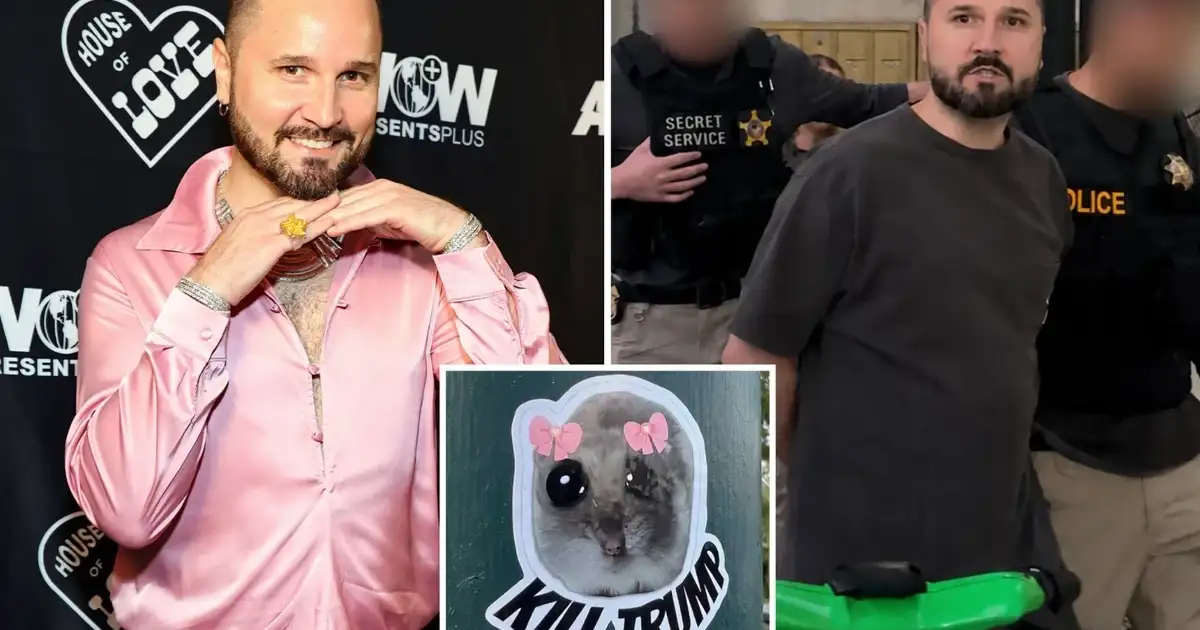
On September 2, 2026, federal agents executed a warrant at Sterling’s Dallas residence at approximately 4:30 a.m. The FBI, utilizing heavily armed SWAT teams, stormed the house and detained him without resistance. Authorities allege Sterling made interstate threats, specifically claiming he intended to assassinate Donald Trump, who is now a leading candidate in the 2028 presidential race.- The raid was swift, aggressive, and unmistakably designed to send a message.
- Sterling is currently held at Dallas County jail, with federal charges yet to be formally filed.
- The DOJ is investigating his social media posts and podcast recordings, but no charges have been announced publicly.
- His legal team insists his comments are taken out of context and that he’s being targeted because of his outspoken political views and his identity as a gay Christian.
What Does This Mean for Free Speech?
The Biden administration’s aggressive response to Sterling’s comments raises a troubling question: where does protected speech end and criminal conduct begin? Threatening a former president is a serious federal offense—there’s no denying that. But the broader issue is whether the government’s response is proportional or an overreach designed to intimidate political dissent. The DOJ’s spokesperson claimed, “The safety of public officials is paramount. We take all credible threats seriously and will pursue justice in accordance with the law.” Yet, this language masks a more unsettling reality. The law clearly criminalizes threats against the president or ex-president, and history shows federal prosecutors will pursue these cases vigorously. But what about the line between free expression and incitement? What about religious or political speech that challenges the status quo? Is Sterling’s outspoken opposition to Trump enough to justify a pre-dawn raid? Or is this a new tactic—one that weaponizes federal law enforcement to silence critics, especially those from marginalized communities? Sterling’s identity as a gay Christian complicates the matter further, raising fears that this could be part of a broader pattern of targeting dissenting voices based on their faith and sexuality. In an era where online threats are increasingly scrutinized, authorities have prosecuted far less provocative statements. Now, they’re targeting a man who merely voiced his opinions. This sets a dangerous precedent: if the government can raid a critic’s home over social media comments, what’s to stop them from silencing others who dissent?Supporters Say Overreach — Critics Say Protecting the President
Supporters of Sterling see this as a blatant abuse of power. They argue that his comments, however provocative, are protected under the First Amendment. His supporters warn that this raid signals a new era of government censorship—particularly aimed at gay Christians and religious minorities who oppose the woke orthodoxy sweeping through the political landscape. “Sterling’s speech is protected,” declared a prominent conservative commentator on social media. “This is an attempt to silence religious and political dissent. The government is crossing a line.” Conversely, law enforcement officials and security experts emphasize the seriousness of threats against public officials. Threatening violence against the president, especially in a digital age where words can escalate rapidly, is not just free speech—it’s a criminal offense. The precedent for prosecuting threats against presidents is well-established, and authorities argue that Sterling’s case is no different. But here’s the crucial question: is Sterling truly a threat, or is he being used as a pawn in a broader campaign of government overreach? His legal team maintains he’s a victim of political targeting, asserting that the FBI’s evidence has been taken out of context and that his comments were hyperbolic—intended as provocative speech, not credible threats. This isn’t just about Sterling. It’s a reflection of a larger culture war—a battle over who gets to speak, criticize, and challenge authority without fear of reprisal. When law enforcement is weaponized against political opponents, especially those from marginalized groups, it’s a dangerous development for American democracy.The Political and Cultural Stakes
This raid isn’t merely a legal matter; it’s a flashpoint in the ongoing culture war. It exposes how the Biden administration appears willing to escalate against anyone who dares challenge its authority—particularly if that person is a gay Christian criticizing Trump. The timing is telling. Sterling’s vocal opposition to Trump and his religious identity make him an easy target for political retaliation. Critics argue that the FBI’s aggressive move is less about national security and more about sending a message: toe the line, or face the consequences. Meanwhile, the political landscape is sharply divided. Some conservatives see Sterling as a symbol of free speech under siege, warning that the government’s heavy-handed tactics threaten the very foundations of American liberty. Others argue that threats against the president, especially from fringe figures, must be prosecuted to uphold the rule of law. This duality reveals a dangerous double standard: if Sterling’s comments are criminal, then where do we draw the line? Are threats against Trump inherently more dangerous because of who he is? Or do they become protected speech when coming from marginalized voices? Sterling’s case echoes past incidents where threats led to convictions, but those cases rarely involved such overt government intervention. This feels different—personal, even political. It raises fears that the government is increasingly willing to criminalize dissent, chilling speech across the board.What’s Next and Why You Should Care
The crucial question now: will Sterling face formal criminal charges? The DOJ is investigating, but no charges have been filed yet. Still, the message is clear: dissent comes at a cost. This case sets a dangerous precedent. If the government can raid and detain a critic over a social media comment, where does it end? Will religious expression be stifled? Will political opposition be criminalized? The implications extend far beyond Sterling’s case. For marginalized communities, especially gay Christians, this is a wake-up call. The federal government’s expanding reach isn’t limited to violent extremists—it’s targeting anyone willing to speak out against the prevailing narrative. The erosion of free speech is accelerating, and this case is a stark warning. The broader takeaway? America’s commitment to free speech is under siege. When government agencies see critics as threats, they will continue to push boundaries. Sterling’s case is a litmus test—will they win or ignite a resistance movement? The coming weeks will reveal whether America is headed toward a new era of sanctioned silence or a renewed fight for free expression. The stakes couldn’t be higher.Conclusion: Who Wins When Dissent Gets Silenced?
Robert Sterling isn’t just some fringe podcaster; he’s a symbol of the fight for free speech in a nation teetering on the edge. The Biden administration’s pre-dawn raid isn’t merely about one man’s comments—it’s a warning shot at every American who dares to criticize those in power. This isn’t about protecting the president. It’s about protecting the establishment at the expense of the First Amendment. Threatening a political figure is serious—silencing critics, however, is the hallmark of authoritarianism. The real question is: how many more voices will be silenced before the silence becomes total? How much more can the government get away with before free speech becomes a relic of the past? The silent majority must wake up—because this is just the beginning. The fight for free speech is raging. And if the government continues down this path, the only words left will be theirs.Source: Google News