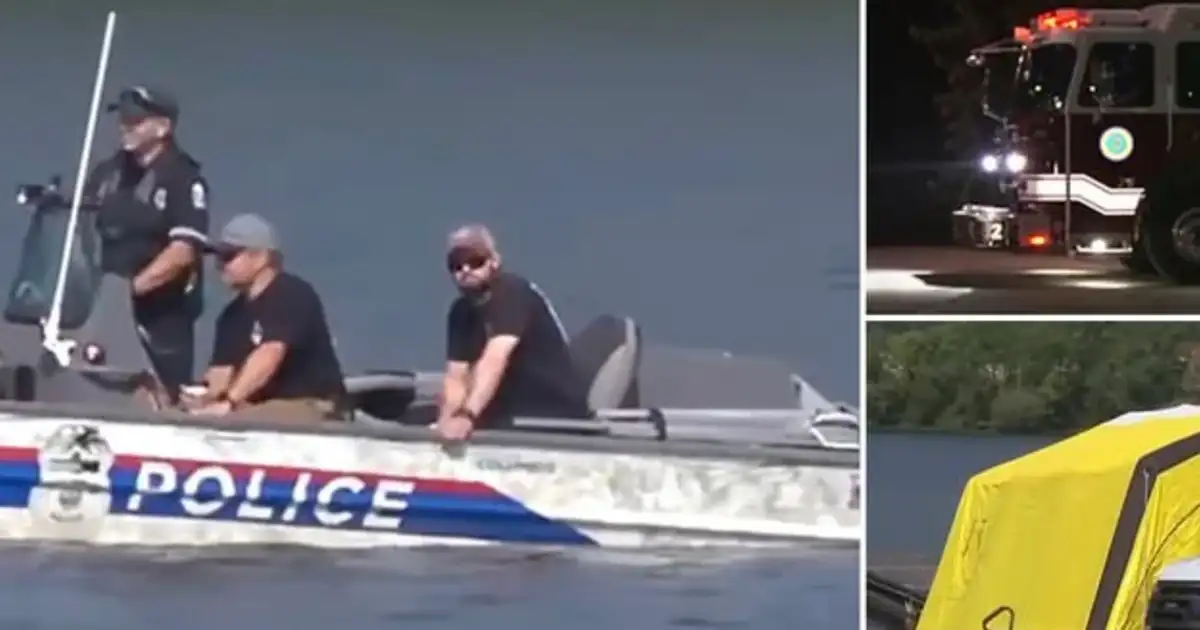

The Ohio River, a deceptive killer, claimed five lives this past weekend in Louisville, Kentucky. This mass drowning exposed critical failures in public safety, revealing a waterway too often underestimated and inadequately policed. Five souls vanished into its depths, a desperate rescue attempt spiraling into an unthinkable catastrophe. This tragedy serves as a stark, chilling warning.
The horrific scene unfolded on Sunday, July 19, 2026. A 12-year-old boy, Michael “Mikey” Chen, struggled against the powerful current near Shawnee Park.
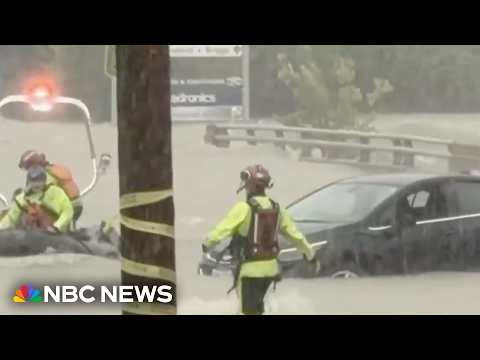
His mother, Sarah Jenkins, 34, and her partner, Richard Thorne, 38, instinctively plunged into the treacherous water. Two other children, Emily Chen, 10, and David Thorne, 7, also entered, drawn by the crisis. The river’s unforgiving power overwhelmed all five, leaving only 5-year-old Lily Thorne as the sole witness on the bank.
Lily, witnessing the unthinkable unfold before her innocent eyes, ran for her life. She flagged down motorist Angela Peterson, who immediately called 911. Rescue operations commenced with urgent speed, but the river had already delivered its fatal blow, claiming its victims before help could arrive.
By late Sunday, the bodies of Sarah Jenkins, Richard Thorne, and Michael Chen were recovered. The agonizing search pressed on through Monday, July 20, a grim race against time. This morning, Emily Chen and David Thorne were also found two miles downstream, bringing the total confirmed dead to five.
This kind of tragedy doesn’t just ‘hit like a blindside sack’; it is a blindside sack delivered by systemic neglect. We shouldn’t be left ‘wondering’ — we should be demanding answers: Why, with the persistent body count this river accumulates, are proactive warnings and robust safety measures still treated like optional extras, especially in high-traffic areas like Shawnee Park?
The Deceptive Killer Current: A Strategic Threat
The Ohio River wears a deceptive game face, a calm exterior that lures the unsuspecting into its deadly embrace. It often looks serene, an easy play on the surface, but underneath, it’s a different story entirely. This isn’t just a river; it’s a strategic threat, a silent hunter that preys on complacency.
Chief John Miller of Louisville Fire & Rescue laid it out straight, with the bluntness of a coach dissecting a losing play.
“This river, while beautiful, is not a swimming pool,” he stated. “It has strong, unpredictable currents, hidden debris, and sudden drop-offs. Even experienced swimmers can be caught off guard.”
That false sense of security isn’t just a killer; it’s a strategic weapon the river wields. It preys on ignorance and the human tendency to assume safety.
People see calm water, a placid surface inviting relief from the summer heat. They don’t see the unseen undertow, the powerful currents that can drag even the strongest swimmer under. Submerged hazards can also snag and trap.
This critical error in judgment repeatedly costs lives and shatters families.
Water temperatures in July typically soar, hitting a tempting 75-80°F. This warmth acts as a siren song, luring people in and making them forget the inherent danger.
The river’s inviting appearance becomes a deadly distraction, masking its true power and immediate threat. This isn’t just about poor judgment; it’s about a lack of understanding of the river itself. It’s a failure to adequately prepare the public for its unpredictable nature.
A Patchwork Defense: No Coherent Game Plan
One major problem isn’t just a ‘patchwork defense’; it’s a defensive line riddled with holes, leaving the most vulnerable exposed. The Ohio River is a federal waterway, managed by the U.S. Army Corps of Engineers.
Local safety, including public access points and direct warnings, falls to jurisdictions like Louisville Metro. This creates a fragmented, disjointed system where accountability is diffused and responsibility is passed like a hot potato.
Imagine a football team with separate coaches for offense and defense, each operating under different playbooks. Neither is truly accountable for the overall game plan. That’s the chaotic, disjointed reality of Ohio River safety.
“No Swimming” signs exist near Shawnee Park, but their visibility and enforcement are inconsistent at best. Many people simply disregard them, especially during hot summer days, viewing them as suggestions rather than critical warnings.
This isn’t a strategy; it’s an invitation to disaster, leaving families vulnerable to a known threat.
Local emergency services, like Louisville Fire & Rescue, are top-notch, responding with heroic speed when a crisis hits. But even the best first responders can’t patrol every inch of the river, every moment of every day.
Proactive prevention, the true defensive strategy, relies on robust public education and clear, consistent warnings. That education, however, consistently misses the mark, leaving too many people unprepared for the lethal reality of the river’s currents and hidden dangers.
No Lifeguards, No Safety Net: A Catastrophic Gap
Unlike controlled environments like lakes or beaches, the Ohio River rarely has designated, supervised swimming areas. There are no lifeguards on duty, no watchful eyes trained to spot distress, no immediate responders equipped for water rescue. This isn’t merely a ‘critical factor’; it’s a catastrophic gap in our defensive scheme against preventable drowning.
You wouldn’t send a rookie quarterback into a playoff game without a solid offensive line, a clear game plan, and a veteran backup. Yet, we routinely allow families, often inexperienced with the river’s true power, to step onto this treacherous field with no protective gear, no clear strategy, and absolutely no safety net in the form of lifeguards.
This is not just a bad strategy; it’s a derel
Source: Google News