
The playbook is clear: President Donald Trump isn’t just talking about a “massive attack” on Iran; he’s drawing up the game plan for devastating strikes “bigger than ever before.” This isn’t mere rhetoric; the US military is actively preparing for a confrontation that promises to redefine the geopolitical landscape. The objective is unambiguous: escalate the pressure in an already volatile conflict zone, pushing Tehran to the brink.
The Persian Gulf, a strategic waterway vital to global energy, has become a powder keg. US naval and air forces are surging into the region, a deployment Pentagon brass might label “routine readiness exercises.” But make no mistake, defense analysts and seasoned strategists understand this for what it truly is: a direct, undeniable message to Tehran. It’s a colossal show of force, a tactical display designed to intimidate and project overwhelming power.

The War Room Strategy: Escalation Unfolding
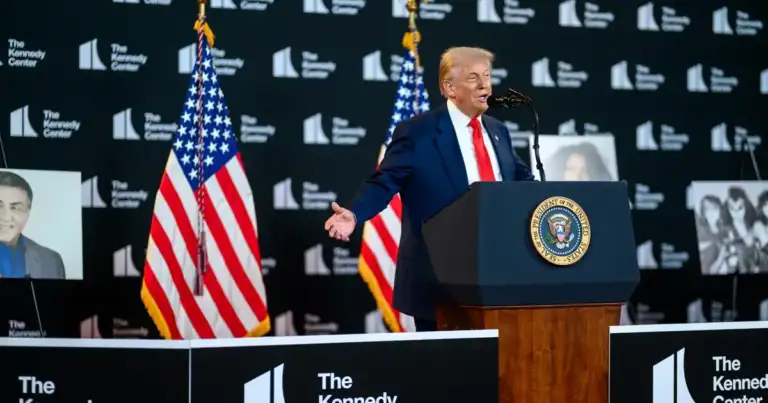
This isn’t a new conflict, but rather the next brutal chapter. The US and Israel already launched strikes against Iran on February 28, 2026, signaling a shift from shadow wars to open confrontation. Now, the stakes are rising exponentially. President Trump, speaking at a Pennsylvania rally on July 21, 2026, issued a stark warning to Iran regarding its nuclear program and destabilizing actions across the Middle East.
“We are preparing for a massive attack,” he declared to a roaring crowd. He promised something “bigger than anything they’ve ever seen.”
This isn’t a bluff; it’s a strategic maneuver in an ongoing, high-stakes chess match. The former Commander-in-Chief is laying his cards on the table, forcing Iran to react.
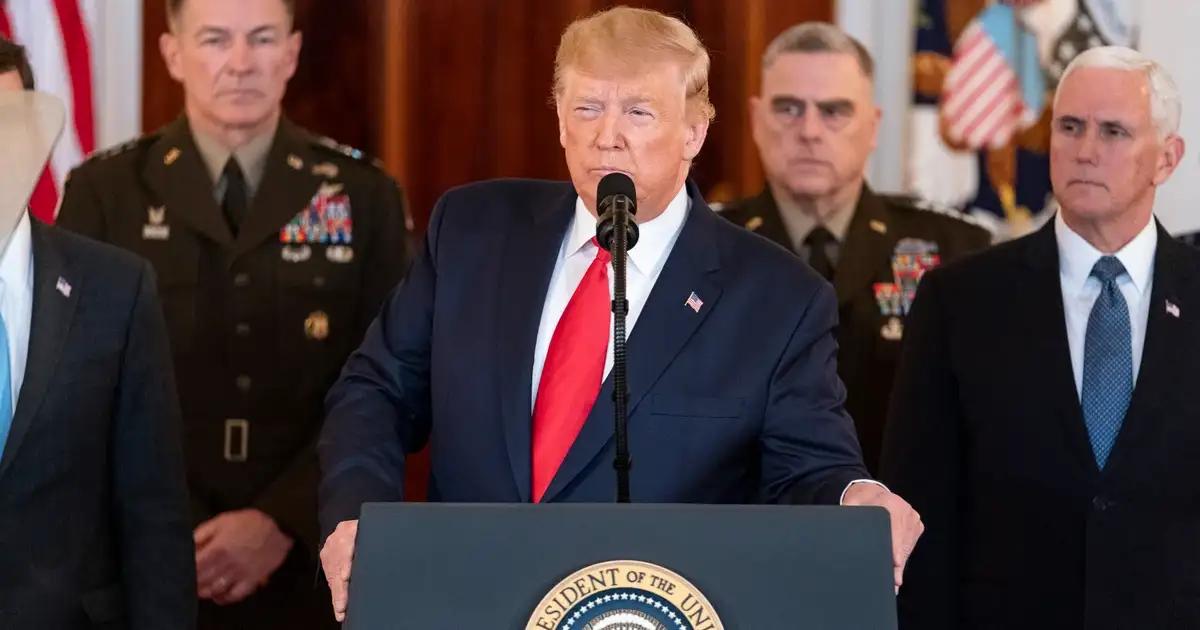
A senior Pentagon official, speaking candidly to The Washington Post on July 20, 2026, confirmed what many suspected. Military planners have meticulously updated their contingency plans, which now include options for “devastating strikes.” The primary goal: to neutralize Iran’s nuclear infrastructure, dismantling its capabilities piece by piece. Beyond that, the aim is to cripple its conventional military assets, effectively disarming a regional adversary. This would be the grim reality if diplomatic avenues completely collapse or if US interests face an imminent, undeniable threat. The message from Washington is crystal clear, leaving no room for misinterpretation.
Iran, never one to back down, is not idly sitting by. Its elite Islamic Revolutionary Guard Corps (IRGC) concluded “defensive drills” in the critical Strait of Hormuz on July 20, 2026. These exercises were a deliberate display, showcasing new missile capabilities and demonstrating their readiness to defend their maritime territory. Tehran explicitly framed these drills as a direct response to “provocative American military maneuvers.” Both sides are flexing their muscles, and the palpable tension in the region could snap at any moment.
Market Jitters: The Economic Aftershocks
When the big guns start moving in the Persian Gulf, the global markets don’t just react; they convulse. Global oil benchmarks like Brent and WTI surged by a dramatic 2-3% in just 48 hours following the latest escalation. Traders aren’t just worried; they’re in a state of alarm over potential supply disruptions. The Strait of Hormuz is more than just a waterway; it’s a global economic choke point, through which nearly a third of the world’s seaborne oil passes daily. Any major conflict there would send catastrophic shockwaves through the global economy, impacting everything from fuel prices to consumer goods.
The cost of war, particularly one of this magnitude, is staggering. The US defense budget is already the largest globally, a fiscal behemoth. A large-scale operation against Iran would run into the tens of billions, potentially even escalating to hundreds of billions of dollars. That kind of financial outlay doesn’t just impact the national budget; it redefines it, diverting resources from domestic priorities and adding immense pressure to the national debt. It’s a heavy, almost unbearable price for any military engagement, yet one the administration seems prepared to pay.
The US already maintains tens of thousands of troops strategically positioned across the Middle East, stationed at bases in allied nations. These forces operate under CENTCOM’s command, a formidable presence always at the ready. This isn’t a theoretical exercise; it’s a real-world deployment of seasoned personnel and advanced military hardware, poised for immediate action should the order come down.
The Geopolitical Gridiron: Deterrence or Disaster?
President Trump and his proponents champion a philosophy of “peace through strength.” They assert, with conviction, that Iran’s nuclear ambitions represent a clear and present danger to global security. For them, only overwhelming force will effectively deter Tehran’s aggressive regional posture and its pursuit of nuclear weapons. Diplomacy, in their view, has repeatedly failed to curb Iran’s ambitions, leaving military action as a necessary, albeit grim, alternative. They believe the cost of inaction is far greater than the cost of a decisive strike.
On the opposing side, critics, primarily Democratic lawmakers, issue dire warnings of an impending catastrophe. They argue that a war with Iran could ignite a wider, uncontrollable regional conflict, destabilizing oil markets far beyond their current jitters. The human cost, they emphasize, would be immense, a tragic toll measured in countless lives. These critics advocate for renewed diplomacy, coupled with targeted sanctions, viewing military options as an absolute last resort. The specter of unintended consequences looms large, and a prolonged, bloody conflict is a scenario they desperately seek to avoid.
Regional allies like Saudi Arabia and Israel find themselves caught in a precarious balancing act. They unequivocally support a strong US stance against Iran, their primary regional adversary. Yet, they simultaneously harbor deep fears of retaliatory strikes on their own soil should a full-scale conflict erupt. They desire deterrence, a firm hand against Iranian aggression, but not necessarily direct, devastating confrontation that could engulf their nations in fire.
Iran, for its part, vehemently claims it is merely defending its sovereignty and national interests. Tehran denounces US actions as “imperialism” and “provocation,” vowing swift and decisive retaliation against any perceived aggression. It proudly boasts of its defensive capabilities, including its missile arsenal and its extensive network of regional proxies, relying heavily on its established influence to project power and deter attacks.
The Real Game: Leverage, Power, and the Ultimate Gamble
This isn’t just about bombs and missiles; it’s a ruthless game of leverage, a battle for who controls the narrative and dictates the terms. President Trump is a master strategist in this arena, adept at using strong, provocative rhetoric to project power and force his adversaries’ hands. His objective is clear: compel Iran to back down from its nuclear program and regional provocations. This strategy is undeniably high-risk, but the potential rewards, in his view, justify the immense gamble.
The military’s job is to prepare for every conceivable scenario, no matter how dire. They meticulously refine plans for “devastating strikes,” ensuring an unparalleled state of readiness. This preparation serves not only as a functional necessity but also as a potent signal: The United States means business, and it is prepared to act decisively. This isn’t a drill on the practice field; this is the big game, and the stakes couldn’t be higher for global stability.
Proponents argue that the cost of inaction, of allowing Iran to develop nuclear weapons, is far greater than any military expenditure. Permitting such a development would fundamentally alter the global power dynamic, creating an existential threat to regional allies and potentially triggering a dangerous nuclear arms race. The current administration firmly believes that strength is the only language Tehran truly understands, making a preemptive strike, in their eyes, almost inevitable.
This isn’t about peace; it’s about raw power. It’s about control over a volatile region that holds the key to global energy and security. President Trump is making his move, a calculated, audacious play on the geopolitical gridiron. The world holds its breath, watching to see if this high-stakes gamble pays off, or if it ignites an inferno that consumes us all.
Source: Google News