
Forget your idyllic summer dreams of sun-drenched picnics and lazy afternoons by the pool. A relentless heat dome has descended upon the US, ushering in temperatures so extreme they make the Sahara feel mild. This isn’t just a weather forecast; it’s a profound invitation to rethink how we live, adapt, and even thrive in the face of unprecedented heat.
This stifling weather pattern has stubbornly settled over the central and eastern United States, unleashing record-shattering heat that fundamentally alters our daily rhythm. The National Weather Service has issued excessive heat warnings for over a dozen states, signaling a serious call to action for millions.

The Scorching Reality: Triple-Digit Takeover
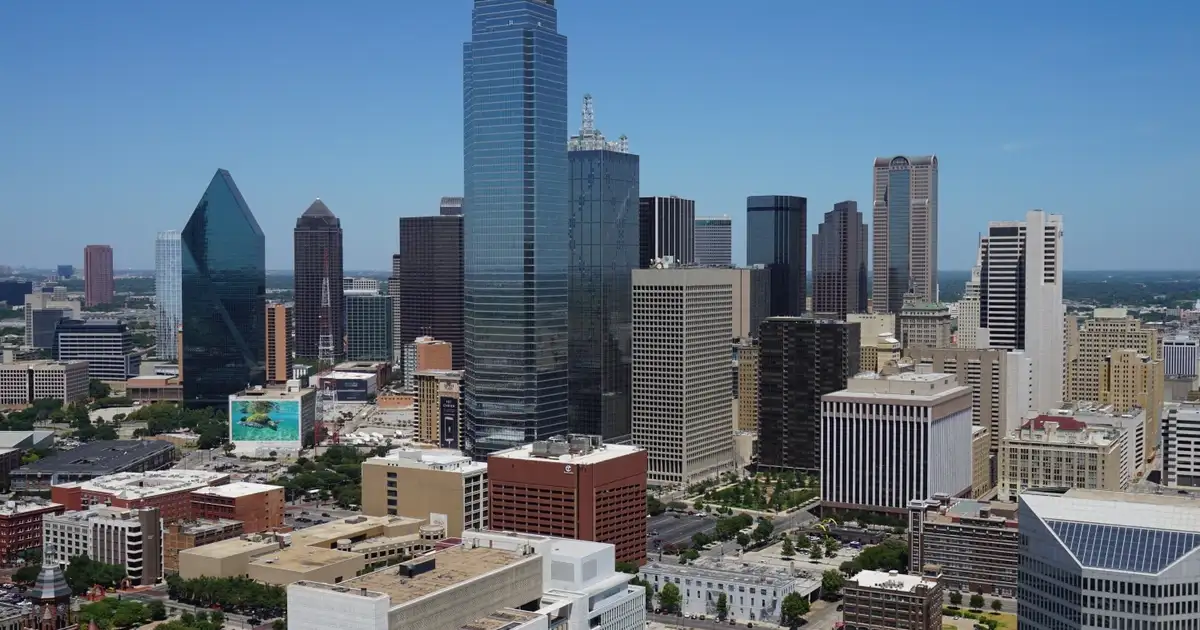
The heat dome began its oppressive reign around July 23rd, and temperatures quickly soared past the triple-digit mark. Cities like Dallas, St. Louis, and Memphis have grappled with daily highs consistently over 105°F (40.5°C). But it’s not just the thermometer; it’s what it feels like.
Heat indices, the true measure of discomfort and danger, are pushing past a staggering 115°F (46°C). Yes, you read that right: it’s hotter here than a typical Sahara Desert summer.
This heat dome isn’t budging through the weekend, with only a tiny, fleeting break anticipated early next week. Are we truly prepared for this new normal?
Summer on Hold: Life Under the Dome
Millions are quite literally sweating through this unprecedented period. Electricity bills are skyrocketing as air conditioners run non-stop, a necessity rather than a luxury.
Outdoor summer fun, once a given, is now a distant, wistful memory. Our most vulnerable — our children, the elderly, and those with pre-existing conditions — face serious, life-threatening risks.
Travel plans have been utterly upended. Airlines are issuing heat advisories, and national parks are wisely limiting access to trails during peak hours.
People are canceling cherished trips or, for the lucky few, booking flights to cooler havens like the Pacific Northwest. This situation highlights our resilience, but also serves as a stark reminder of nature’s power.
“We’ve seen a significant uptick in people rescheduling their outdoor weddings to either earlier in the morning or moving them entirely indoors,” Sarah Jenkins, an event planner in Dallas, told CNN. “Safety is paramount, and no one wants their guests passing out from heatstroke. It’s about creating beautiful memories, not medical emergencies.”
Yet, even in adversity, there’s adaptation. Retailers are seeing a surge, with sales of AC units, fans, and blackout curtains skyrocketing by 30-50%.
We all need to stay cool, no matter the cost, transforming our homes into fortresses against the heat.
Home Front Defense: Your Smart Strategy for Staying Cool
So, what can you do right now to reclaim your comfort and safety? First, fortify your home.
Close all blinds and curtains, especially on windows facing south and west. This simple act blocks the sun’s brutal, energy-sapping rays, turning your home into a cool sanctuary.
Maximize your existing cooling. Use ceiling fans in conjunction with your air conditioning, ensuring they spin counter-clockwise to push that precious cool air down. It helps circulate the relief you’re paying for, making your AC work smarter, not harder.
“Our members are definitely looking for ways to keep their homes comfortable without running their AC non-stop,” stated Mark Thompson, a spokesperson for a regional power company. “We’re encouraging everyone to use smart thermostats and seal up any drafts. Every watt saved is a win for your wallet and the grid, especially when demand is projected to hit a staggering 85,000 megawatts for Texas’s ERCOT.”
Your small actions contribute to a larger solution, easing the strain on our already stressed energy grids.
Personal Survival Guide: Hydration and Smart Moves
This isn’t just discomfort; it’s a serious health challenge. Your body is working overtime. Drink water constantly.
Grab electrolyte-rich drinks to replenish vital minerals. And for now, ditch the alcohol and heavy caffeine; they only dehydrate you further, exacerbating the risks.
Embrace light, cold meals. Think crisp salads, refreshing fruits, and vibrant veggies.
Heavy, hot meals make your body work harder to digest, generating more internal heat. Nobody needs that right now. This is a time for culinary minimalism and maximum hydration.
Strictly limit any outdoor activity. If you absolutely must venture out, do it before 8 AM or after 7 PM.
Take frequent breaks in shade or air conditioning. Wear loose, light-colored clothing; it makes an immense difference in reflecting heat rather than absorbing it. Be smart, be safe, and prioritize your well-being above all else.
The Unbearable Truth: How Long Will This Last?
The bad news? This oppressive heat dome is digging in its heels. It’s projected to grip the central and eastern US for at least another 3-5 days, with the worst conditions likely persisting through July 28th. While some areas might see a slight temperature dip by early next week, don’t get too excited.
Above-average heat is expected to linger for a while longer. This isn’t just a temporary blip; it’s a profound shift in our summer experience. This is our new normal, and embracing adaptive strategies is no longer optional.
If your home cooling isn’t cutting it, do not hesitate. Find a public cooling center immediately. Check your local government websites – they offer a vital, life-saving escape from the suffocating heat.
This heat dome isn’t merely a weather event; it demands we rethink how we live and adapt. Let’s rise to the challenge, stay smart, and protect each other, transforming this challenge into an opportunity for collective resilience.
Photo: Wikimedia Commons (query: Sahara Desert index)
Source: Google News