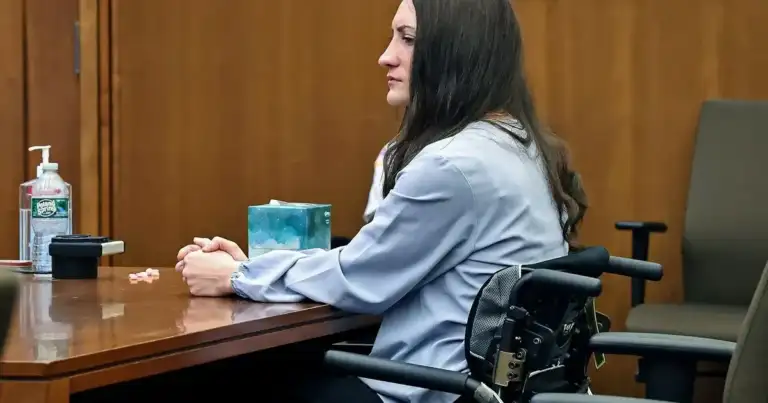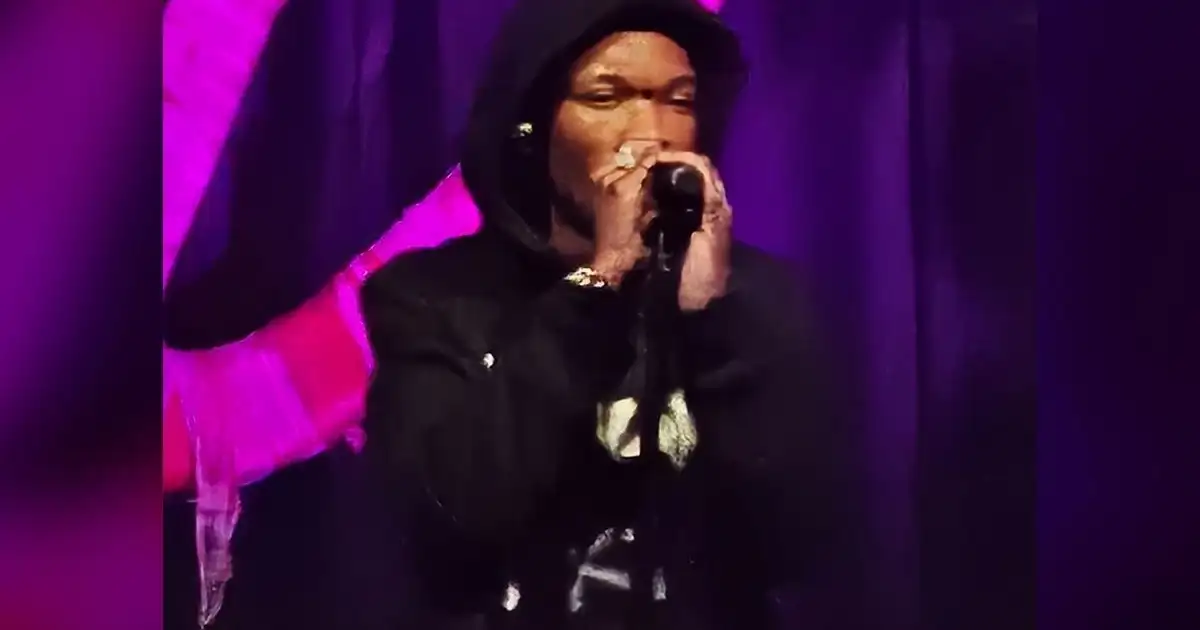

The texts laid bare in court are a gut punch: the 14-year-old girl whom singer D4vd stands accused of killing had an abortion. This isn’t just a “personal revelation”; it’s a seismic shockwave ripping through an already brutal murder trial, exposing the raw, ugly underbelly of a relationship now under the harsh glare of public scrutiny.
This week, in a courtroom that has become a focal point of public scrutiny in [City, State], prosecutors unleashed a torrent of text messages from the victim. These aren’t just casual chatter; they are a harrowing digital diary detailing her recent abortion and laying bare her fragile emotional state in the agonizing days before her death.
The prosecution isn’t just trying to connect dots; they’re attempting to redraw the entire landscape of this case, painting a portrait of a deeper, far more volatile relationship. This isn’t about mere conflict; it’s about uncovering a potential motive simmering beneath the surface. Judge [Judge’s Name], in a decision that will undoubtedly be dissected for years, allowed the evidence, asserting it illuminates the victim’s state of mind and, crucially, her tumultuous dynamic with David Burke, the artist known as D4vd.
The Prosecution’s Gambit: Motive and Vulnerability Weaponized
Make no mistake, this abortion detail is a tactical nuclear strike in the courtroom. The prosecution hasn’t just found a new angle; they’ve unearthed a raw nerve. They contend these texts are irrefutable proof of the victim’s profound vulnerability and the suffocating intensity of her bond with Burke. It’s a narrative designed to hit hard, to resonate with the primal fears of a jury.
Prosecutor [Name] minced no words, staking their claim with chilling precision:
“These texts are crucial to understanding the victim’s emotional landscape and the nature of her relationship with Mr. Burke in the days leading up to her tragic death. They paint a picture of vulnerability and a significant life event that could not be ignored.”
This isn’t just evidence; it’s an invitation to the jury to consider a crime of passion, to grasp the suffocating emotional atmosphere that the prosecution argues could have combusted into unimaginable violence. Could any relationship, particularly one involving such a young girl, withstand this kind of pressure cooker?
Jury Perception and the Defense’s Desperate Counter
The emotional weight of this evidence is not merely undeniable; it’s a sledgehammer to impartiality. Jurors are routinely instructed to be stoic, to weigh facts without prejudice, but anyone who has ever sat in a courtroom knows the human heart is rarely so easily disciplined. This isn’t just data; it’s a story, and stories move people.
D4vd’s defense team, predictably, erupted in objection. They condemned the evidence as irrelevant, a nakedly prejudicial maneuver, and a posthumous invasion of the victim’s most sacred privacy. It was a desperate attempt to staunch the bleeding, to put the genie back in the bottle.
Defense Attorney [Name], facing a media scrum outside the courthouse, did not hold back:
“The prosecution’s introduction of this deeply personal and irrelevant information is a desperate attempt to distract the jury and prejudice them against our client. It’s a blatant invasion of privacy and has absolutely no bearing on the facts of this murder case.”
This move has not merely forced D4vd’s legal team to shift strategy; it has thrown their entire game plan into chaos. They must now aggressively dismantle this new narrative, perhaps arguing the abortion was entirely unrelated to Burke, or that the timing is purely coincidental. The specter of a mistrial looms large, and these revelations are already laying crucial groundwork for an appeal, should Burke face conviction. It’s a high-stakes poker game, and the defense just got dealt a terrible hand.
Privacy vs. Justice: A Brutal, Unflinching Balance
This case isn’t just about a murder; it’s a brutal collision of privacy rights and the relentless pursuit of justice. The judge’s decision to admit this evidence is not merely contentious; it’s a legal minefield, destined to be a cornerstone of any future appeal. The defense will argue, with righteous fury, that the prejudicial effect of parading such intimate details far outweighs any supposed probative value, fundamentally violating the victim’s posthumous right to dignity.
A source intimately connected to the victim’s family articulated their raw agony:
“They are devastated that their daughter’s most private moments are being paraded in court. They just want justice, not this circus.”
This isn’t just a quote; it’s a searing indictment of a system that, in its quest for truth, often grinds human beings into public spectacle. Personal lives, particularly when celebrity is involved, are not merely scrutinized; they are vivisected, their most intimate details reduced to fodder for headlines and water cooler conversations. Is this the price of justice, or simply the cost of public fascination?
The Crushing Weight of Fame and Its Dark Echoes
The music world holds its breath, watching every agonizing twist and turn. D4vd’s once-ascendant career now hangs by the thinnest of threads, facing not just devastation, but total annihilation. This scandal isn’t merely a stain; it’s a permanent scar, regardless of the trial’s eventual outcome.
His potential album sales? Halted. Touring revenue? Gone. Endorsement deals? A distant, impossible dream. The financial fallout is not just immediate; it’s a catastrophic implosion, leaving a wasteland where a burgeoning empire once stood.
This case serves as a chilling, unavoidable reminder of fame’s dark, predatory underbelly. Young artists, often ill-equipped for the relentless glare, face immense, suffocating pressure. Their personal lives, once shielded, can explode into public view with terrifying speed, especially when accusations of such gravity emerge. It’s a Faustian bargain, and the devil always collects.
The introduction of such profoundly sensitive details isn’t an isolated incident; it’s a recurring, thorny ethical dilemma that forces us to confront uncomfortable truths. It ignites fierce debates about the sanctity of privacy versus the public’s right to know, about victim-blaming versus accountability, and about the very ethics of evidence. Are we truly pursuing justice, or merely indulging in sensationalism?
The court, now traversing this treacherous, emotionally charged landscape, carries a crushing burden. The stakes are not merely high; they are existential for everyone involved. This is a profound tragedy for the victim and her family, an unbearable public dissection of their grief. For D4vd, it’s the potential, brutal end of a career before it truly began. This case won’t just echo in the annals of legal history; it will reverberate through our culture, a stark, unsettling reminder of the price of fame and the unforgiving nature of justice.
Source: Google News