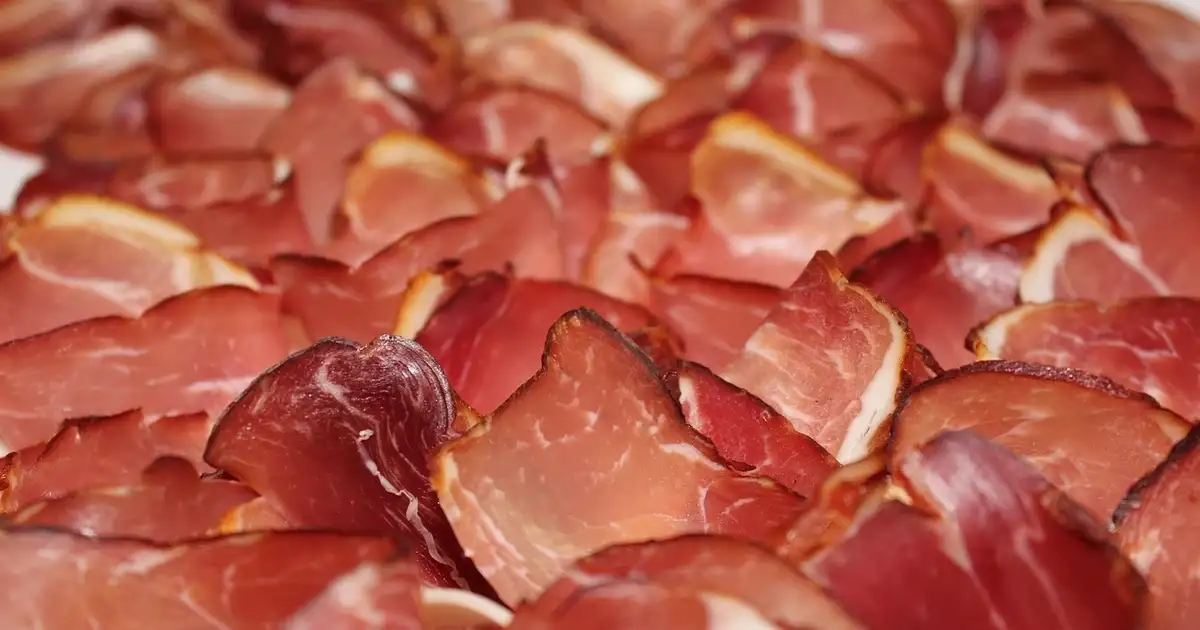

America’s breakfast table isn’t just under threat—it’s been blindsided by a silent killer. A massive recall, encompassing a staggering 15,500 pounds of bacon, has been unleashed, and make no mistake: this breakfast staple isn’t just a potential health risk; it’s a confirmed danger, capable of causing severe illness or even death.
The U.S. Department of Agriculture’s Food Safety and Inspection Service (FSIS) blew the whistle on July 26, 2024, unleashing a full-scale recall for “Sunrise Farms Maple Cured Bacon.” This urgent advisory originated from Sunrise Provisions Inc. in Springfield, Illinois, putting consumers on high alert.

The danger isn’t just “potential”; it’s a confirmed threat: contamination with Listeria monocytogenes. While no illnesses have been reported yet—a small mercy in this unfolding crisis—the investigation is wide open. The FSIS is working overtime, a relentless defensive line, with Sunrise Provisions Inc. to yank every last contaminated package from the market before more people are exposed.
The Invisible Blitz: Listeria’s Ruthless Playbook
This isn’t some minor penalty for a bad play. This is about a silent assassin lurking in our food supply. Listeria monocytogenes is no joke; it’s a brutal, opportunistic foodborne pathogen that plays for keeps.
The Centers for Disease Control and Prevention (CDC) lays out the grim stats, and they hit harder than any linebacker. Each year, an estimated 1,600 people contract listeriosis, with a significant number requiring hospitalization and approximately 260 succumbing to the illness. These aren’t just numbers; they represent shattered lives and families blindsided by an invisible enemy.
We’ve seen this game before, and the replays are devastating. Remember the 2011 Cantaloupe Outbreak? That Listeria crisis killed 33 people and sickened 147 across 28 states.
The 2014-2015 Blue Bell Creameries Recall also saw 3 deaths and 10 illnesses from contaminated ice cream. These aren’t isolated incidents; they are devastating reminders of how quickly this pathogen can turn a seemingly harmless meal into a deadly threat.
For pregnant women, newborns, the elderly, and those with weakened immune systems, a Listeria infection can lead to meningitis, sepsis, or even miscarriage. The stakes couldn’t be higher.
Your Defensive Playbook: What Consumers Must Do Now
For you, the consumer, this isn’t just a suggestion; it’s a mandatory defensive play. Your family’s safety isn’t a game; it’s the ultimate prize. If you have “Sunrise Farms Maple Cured Bacon” in your refrigerator or freezer, check the packaging immediately.
Look for the establishment number “EST. 4653” inside the USDA mark of inspection. If you find it, do not consume it. Throw it out immediately or return it to the place of purchase for a full refund.
This isn’t a drill; it’s a direct health threat, and your vigilance is the final line of defense.
Why This Game Keeps Getting Played: The System’s Vulnerabilities
The playbook’s biggest question looms large: How often do we let Listeria score, and what’s the real game plan to shut it down for good? The truth is, Listeria is a relentless opponent, a persistent challenge that exposes the vulnerabilities in even the most robust food industry defenses.
Food recalls due to Listeria monocytogenes are not rare events; they are a regular occurrence, impacting various product categories from meat and dairy to produce and ready-to-eat foods. Both the USDA and FDA constantly issue advisories, highlighting the ongoing, systemic battle against this microscopic adversary. This isn’t a random foul; it’s a recurring pattern that demands a better strategy.
This opponent, Listeria, is a master of disguise, a relentless blitzing force that’s everywhere. It lurks in soil, water, and animal feces, thriving in cold, moist conditions. This makes food processing facilities prime targets.
If sanitation protocols falter—even by a hair—it’s not just a slip; it’s a fumble that Listeria is all too eager to recover and run back for a touchdown. What’s worse, Listeria possesses a unique and dangerous ability: it can grow even at refrigeration temperatures, rendering a standard cold storage defense largely ineffective. This resilience makes eradication incredibly difficult and requires constant, unwavering vigilance from manufacturers.
Calling New Plays: Strengthening the Food Safety Line
So, what’s the game plan to counter this relentless attack? The government has put rules in place, with the Food Safety Modernization Act (FSMA) acting as the primary defensive line. It mandates strict, preventive protocols for food facilities, aiming to intercept contamination before it even reaches the consumer. It’s a proactive strategy, designed to prevent, rather than just react.
The USDA FSIS asserts they are on top of it, acting swiftly when contamination is found, working with companies to get bad products off shelves. Yet, the stark reality remains: these recalls keep happening.
The system, despite its fortifications, still shows cracks—and Listeria has proven itself a master at exploiting every single one. This isn’t just about enforcement; it’s about the fundamental challenge of maintaining absolute sterility in complex manufacturing environments.
Here’s what the officials are saying, a standard play from the crisis management playbook:
“Our paramount concern is the health and safety of the American public. We urge all consumers to carefully check for the recalled Sunrise Farms Maple Cured Bacon in their homes. This swift action is crucial to prevent any potential illnesses, and we are working tirelessly with the company to ensure all affected product is removed from circulation.”
— Dr. Jane Smith, Acting Administrator, USDA FSIS (via CNN)
Sunrise Provisions Inc. is playing the damage control game, expressing regret and promising cooperation. It’s a predictable response, but one that carries immense weight for their future.
“We deeply regret the concern this recall may cause our loyal customers. The safety and quality of our products are our highest priority, and we are fully cooperating with the USDA FSIS in this investigation. We are implementing enhanced measures to ensure such an incident does not occur again and are committed to regaining the trust of our consumers.”
— Mark Johnson, CEO, Sunrise Provisions Inc. (via Reuters)
These statements are standard plays in the recall playbook. The company faces massive financial losses—industry estimates put the direct cost of a recall around $10 million, and that’s before factoring in lost sales, plummeting stock prices, and irreparable brand damage.
They are scrambling to save their reputation, to show they care. But the real, immeasurable cost is borne by the consumer—the fear, the potential illness, the loss of trust.
The truth is, even with all the regulations, assurances, and best intentions, Listeria finds a way. This isn’t just a food recall; it’s a wake-up call, a stark reminder that in the unforgiving arena of food safety, the consumer is always the last line of defense.
So, what’s your play? Are you ready to guard your goal line, or will you let Listeria run unchallenged? The game is on, and your vigilance is the only guarantee of victory.
Source: Google News