
Netflix just committed a fumble of epic, game-changing proportions. We’re not talking about a dropped pass; we’re talking about losing the entire playbook – a staggering $105 million lawsuit alleging they flat-out lost an unreleased Nicolas Cage war film. This isn’t just a financial hit; it’s a catastrophic breakdown of trust, a digital dereliction of duty that rips the lid off the entire streaming industry’s operational integrity.
The bombshell dropped on July 29, 2026, when production powerhouse Valiant Pictures filed suit in the U.S. District Court for the Central District of California. Their explosive claim? Netflix, the supposed titan of digital content, somehow “misplaced” – or more accurately, annihilated – all master files for their co-produced war epic, Operation Phoenix.

This wasn’t some indie flick. It was a high-stakes war film, headlined by Nicolas Cage, boasting a hefty $45 million production budget, primed for a major Q4 2026 global release. Now, Valiant Pictures alleges Netflix simply cannot locate the files; no files, no film.
The Digital Black Hole: A Systemic Collapse?
Let’s be tactical here: how does a company like Netflix, a digital behemoth whose entire business model hinges on flawless content delivery, just lose an entire movie? This isn’t a dusty, misplaced film reel from the analog era. This is a digital asset, a meticulously crafted file on a server farm.
It’s supposed to be backed up, replicated across multiple secure locations, and guarded like state secrets. Yet, here we stand, staring into a digital black hole. Netflix, predictably, has clammed up, maintaining a stony silence that speaks volumes.
But behind closed doors, the whispers from the war room suggest an “urgent internal investigation” is underway. They’re muttering about “technical issues” or “a catastrophic breakdown in digital asset management.” Let’s call it what it is: this isn’t just a glitch; it’s an unmitigated disaster for every content creator who trusts their artistic vision to these digital gatekeepers.
“This isn’t just about money; it’s about years of creative effort, hundreds of jobs, and a unique story that may now never be told,” stated Arthur Vance, CEO of Valiant Pictures. “Netflix’s alleged negligence is a betrayal of trust and a catastrophic failure of their responsibility as a content custodian.”
Vance isn’t just frustrated; he’s delivering a blistering indictment. He sees this not as a hiccup, but as a complete systemic collapse. Hundreds of dedicated professionals poured years into this project, now threatening to vanish due to alleged negligence.
The High Stakes of Digital Trust
This lawsuit isn’t playing for peanuts; it’s a full-contact assault on Netflix’s bottom line and its carefully cultivated image. Valiant Pictures is demanding a staggering $105 million – a figure that not only recoups their $45 million investment but also accounts for projected lost revenue and punitive damages. This isn’t just about a lost film; it’s about a company being forced to pay for a colossal failure of responsibility, hitting them squarely in the wallet and, perhaps more damagingly, their reputation.
For a star of Nicolas Cage’s caliber, this is a brutal blow. A significant project, a fresh performance, potentially erased from existence. The tactical question for every actor, director, and producer in Hollywood is chillingly clear: can you truly trust these streaming giants, these digital gatekeepers, with your life’s work? Is your art just another data point, vulnerable to a catastrophic “delete” button?
Every player in this league is glued to the scoreboard. Netflix’s empire relies on managing thousands of titles, making robust digital asset management non-negotiable. If they can lose a $45 million tentpole film, what other priceless intellectual property is teetering on oblivion?
Digital archiving expert Dr. Evelyn Reed of UCLA cut through the noise with surgical precision.
“If these claims are substantiated, it represents a significant failure in digital asset management protocols,” Reed told Wired. “Even with cloud storage, redundancy and multiple backups are paramount, especially for high-value, unreleased content. This case will undoubtedly force an industry-wide reevaluation.”
Dr. Reed is absolutely right. This isn’t merely a “Netflix problem”; it’s a glaring, industry-wide digital infrastructure crisis. This case rips open the fault lines in that foundation, revealing terrifying vulnerability.
The Unseen Opponent: Digital Vulnerability
The brutal truth here is that the implications extend far beyond Hollywood boardrooms. If a company with Netflix’s colossal resources and technical prowess can “lose” a multi-million dollar film, what does that mean for your personal data? Your irreplaceable family photos, your critical financial documents, your entire digital life stored in the nebulous “cloud”? It’s a cold spike of fear, a stark reminder that our digital reliance comes with unseen, terrifying risks.
This lawsuit isn’t just about compensation; it’s about setting a precedent. It will redefine how intellectual property is safeguarded in the cutthroat streaming era. Content creators will, and must, demand iron-clad guarantees, transparent audits, and an unprecedented level of accountability regarding digital asset security.
Netflix’s continued silence isn’t just deafening; it’s an admission of tactical retreat. They are scrambling, no doubt, trying to execute a damage control Hail Mary. The damage is systemic: a shattered promise and a profound breach of digital trust.
The final whistle hasn’t blown on this legal battle, but the stakes are clear: accountability. Who takes the hit when the digital vault is inexplicably empty?
Valiant Pictures demands justice for a monumental screw-up, forcing a re-evaluation of digital content industry rules.
This isn’t just a lawsuit; it’s a seismic shockwave. Every streaming giant better be taking notes; the game has changed.
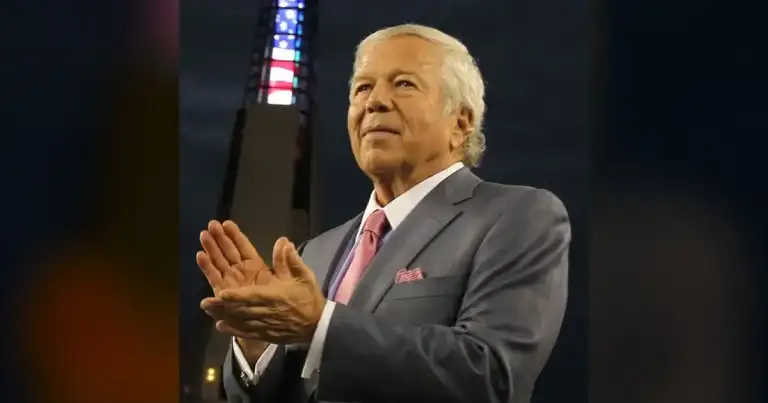
Photo: Wikimedia Commons (query: Nicolas Cage)
Source: Google News