
Whitney Leavitt’s Public Support of Her DWTS Elimination Sparks a Cultural Shift
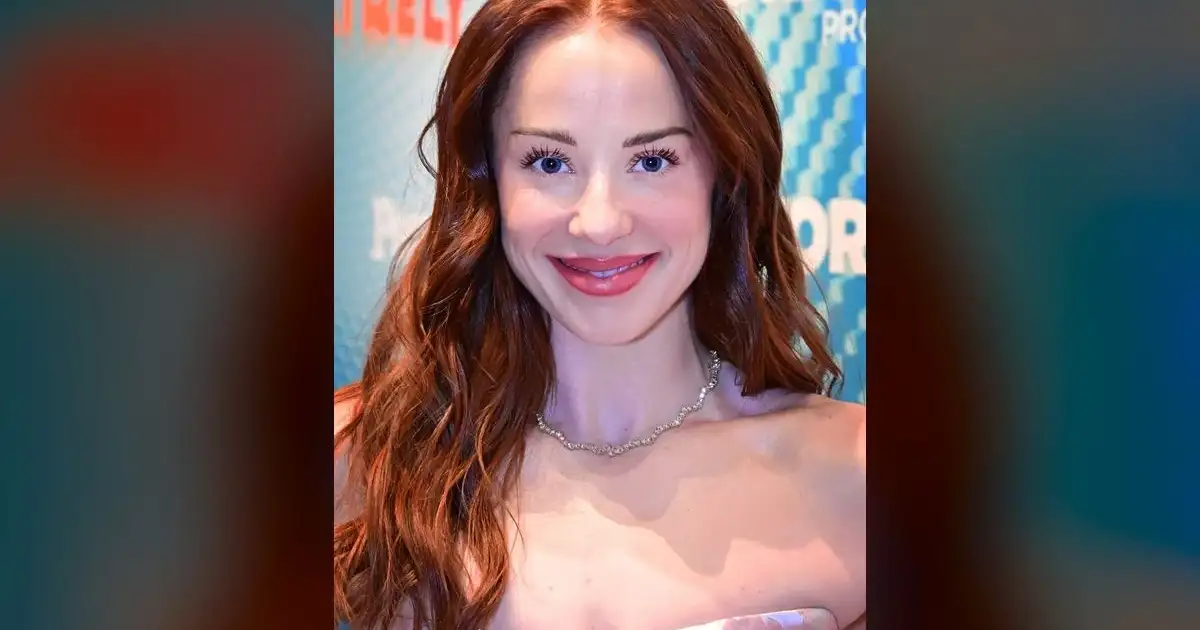
Whitney Leavitt’s unfiltered reaction to her husband Conner’s shock exit from “Dancing with the Stars” challenges Hollywood’s obsession with perfection. Instead of hiding disappointment, she embraced vulnerability, turning a personal setback into a statement against superficial celebrity culture.
The Facts Behind the Drama
Conner Leavitt was unexpectedly eliminated on September 14, 2026, shocking fans who admired his energy and storytelling. His performances had been praised, and many expected a deep run—until the unexpected exit. Whitney responded differently than most spouses.

Within hours, she posted on Instagram:
“So proud of Conner for stepping out of his comfort zone. Elimination isn’t the end—it’s just part of the journey. Love you always.”Her words rejected the typical “winner or loser” narrative, resonating with followers and boosting her social media by 25% overnight—proof that authenticity strikes a nerve today.
Why This Matters More Than a Dance Competition
Whitney’s stance taps into a craving for real storytelling amid curated feeds. Her openness contrasts sharply with influencers’ polished images, making her stand out as genuinely human.
This isn’t just about her marriage. It’s a challenge to Hollywood’s scripted handling of setbacks. Whitney’s honesty shows vulnerability isn’t weakness but strength—an act of rebellion against the industry’s obsession with perfection.
The Supporters vs. The Critics
Fans praise her resilience: “Finally, a star who keeps it real,” and “Her strength is contagious.” Many see her as a new archetype—an influencer unafraid to show her true self.
Skeptics suggest her reaction is calculated—a savvy social media move. But dismissing her authenticity ignores a bigger shift. Whitney’s rise signals a new standard: honesty over polished images, turning setbacks into statements of strength.
What Does This Mean for Reality TV and Celebrity Culture?
Her openness signals a seismic change. The era of glossy, fake personas is fading; audiences want real stories and raw emotions. Whitney’s stance offers a blueprint: embrace vulnerability, reject façades, and turn failures into power.
More than supporting her husband, she champions a new norm—sharing personal moments bravely. Her stance reminds us that cracks in the façade are what truly connect with viewers.
Who Wins and Who Loses?
Whitney emerges as a winner. She transforms disappointment into cultural victory, elevating her brand as authentic and transparent. Conner’s elimination becomes secondary to her message of resilience. She redefines what it means to be a public figure: not perfect, but real.
This could even reshape perceptions of DWTS. It’s no longer just a dance contest but a stage for flawed, emotional stories. The industry? Stars willing to show their true selves have more influence than those hiding behind manufactured images. Whitney is rewriting the rules of authenticity.
The Final Word: Is This the Future of Fame?
Her response isn’t just pride; it’s a signal that the old rules are shifting. Success now favors those who shed illusions and embrace authenticity. Her support turns a TV upset into a bold statement: realness is the new currency, and she’s cashing in.
Will more stars follow her lead? Or will the industry double down on superficiality? Either way, Whitney’s stance proves one thing: in a world craving honesty, vulnerability is the ultimate power move.
In an age where authenticity is rewarded, Whitney’s display may mark the dawn of a new era—where genuine wins every time.
Source: Google News