
The world is holding its breath as Iran updates its target list, daring President Trump to deliver on his hints of fresh strikes against Tehran. This isn’t a drill; it’s a dangerous escalation in an already active war, pushing the region closer to total chaos.
Iranian state media, citing the Islamic Revolutionary Guard Corps, confirmed the new targets on July 30, 2026. These include US military bases across the Middle East. They also listed critical infrastructure in allied nations. This move is a direct challenge to American power.

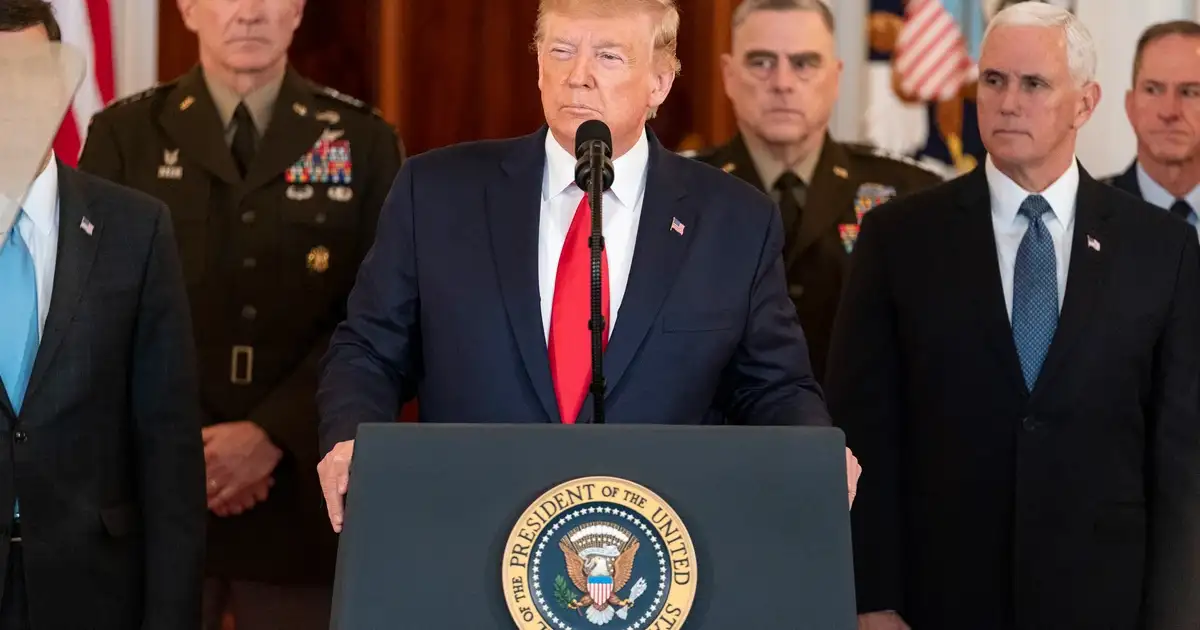
On July 31, 2026, President Trump spoke at a Pennsylvania rally. He promised “decisive action” if Iran continued its “provocations.” His words signal a serious intent for military options. They reignite fears of a massive confrontation.
Oil Markets On Edge
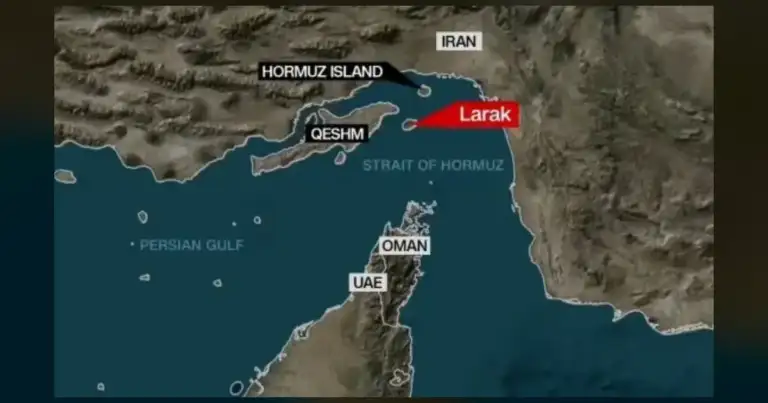
The financial markets reacted instantly to this saber-rattling. Global oil benchmarks like Brent Crude jumped 3-5% in just 48 hours. This reflects deep market anxiety. Traders fear major disruptions to oil shipments through the Strait of Hormuz.
The Strait of Hormuz is a vital chokepoint. Any conflict there would send shockwaves through the global economy. It would hit American pockets hard. This isn’t just about bombs and bullets; it’s about the price of gas at your local pump.
Trump’s Hardline Stance
President Trump’s administration is clearly reviewing its options. Unnamed Pentagon officials confirmed contingency plans. These include targeted strikes against Iranian military assets. These plans are under active review at the highest levels of government.
Supporters of President Trump argue this firm stance is necessary. They believe Iran’s defiance and nuclear advancements demand a strong response. Only credible force will deter Tehran, they say. They see Iran’s new targets as a direct insult that America must answer.
“Iran’s continued defiance necessitates a firm, potentially military, response. Only a credible threat of force, or its actual application, will deter Iran and protect US interests and allies.”
This faction believes America must project strength. They think a robust answer is the only way to safeguard US interests. They see diplomacy as weakness, not a solution.
The Echoes of Diplomacy
Yet, many voices warn against this path. Critics of intervention, including Democrats and progressive groups, fear a wider conflict. They argue military action could destabilize the entire region. It could lead to massive American casualties.
These groups advocate for renewed diplomatic engagement. They push for sanctions and de-escalation. They remember how military interventions often backfire. They worry strikes would only empower Iran’s hardliners.
“Strikes could trigger a wider, devastating regional conflict, destabilize global energy markets, and lead to significant American casualties. Military intervention often has unforeseen and negative consequences.”
The debate rages on. Is this a necessary show of force, or a reckless gamble? The consequences of either choice are staggering. The price of miscalculation is too high.
Regional Allies Walk a Tightrope
America’s regional allies like Saudi Arabia and Israel are in a tough spot. They generally support US pressure on Iran. However, they are also highly vulnerable to retaliation. Their territories would be ground zero for any Iranian counter-attack.
Their public statements reflect this delicate balance. They endorse US resolve, but they also urge caution. They desperately want to avoid direct attacks on their soil. They know the cost of war better than anyone.
Tehran, for its part, frames its actions as defensive. They view any US military move as aggression. They vow swift and severe retaliation for any strike. They are playing a dangerous game of chicken, projecting strength to deter an assault.
The Real Game Being Played
So, what’s really happening here? Is this about national security, or something else entirely? The stakes are too high for simple answers. It looks like a high-stakes poker game, where both sides are bluffing and raising the ante.
Perhaps this brinkmanship serves domestic agendas. President Trump’s strong stance resonates with his base. It shows decisiveness. It projects an image of unwavering power on the global stage. It’s a calculated political move.
For Iran’s leadership, naming targets galvanizes support at home. It reinforces their narrative of defending against a hostile West. It allows them to portray themselves as strong protectors of their nation. Both sides benefit from the tension, at least politically.
The Cost of Escalation
But the true cost is borne by the people. The ordinary citizens of Iran, the American soldiers stationed abroad, the global economy. A full-blown war would be catastrophic. It would plunge the world into deeper instability.
The ongoing conflict since February 28, 2026, has already proven costly. Further strikes would only add to that toll. This isn’t just about “decisive action”; it’s about the very real human and economic consequences of war.
The world braces for a weekend of potential war. Iran has drawn its line. President Trump is considering his next move.
The question isn’t if a conflict exists, but how much more blood and treasure will be spilled. This dangerous dance could ignite a firestorm no one can control.
Source: Google News