
America and Iran are once again on the brink of all-out war, and the world must recognize this escalation for what it truly is: a dangerous, deliberate gamble with catastrophic stakes. The recent exchange of drone and airstrikes signals not a flare-up born of accident or miscalculation, but a calculated move by both sides to test the limits of their power and resolve. This isn’t just a regional skirmish; it’s a potential ignition point for a conflict that could spiral beyond anyone’s control.
The Shock Restart of Hostilities
In the past 48 hours, the fragile veneer of diplomacy has shattered. Iranian forces launched drone strikes against U.S. military installations in Iraq’s Kurdistan region—minor damage, no casualties, but a clear, unmistakable message: Iran still possesses the capability and the resolve to strike back at American interests from afar. It’s a stark reminder that Iran remains a regional power willing to escalate at a moment’s notice. Less than a day later, U.S. forces responded with precision airstrikes targeting Iran-backed militias in eastern Syria. Pentagon officials insisted these were in response to “imminent threats” to American personnel—yet this tit-for-tat exchange reveals a deeper truth: both nations are playing a dangerous game of chicken, testing each other’s resolve after weeks of relative quiet. And make no mistake—this escalation marks a significant departure from the calm of early July, when Iran resumed higher-level uranium enrichment, signaling its defiance of international restrictions. This is no coincidence. Iran’s leadership is sending a calculated message: they are still a force to be reckoned with. The U.S., meanwhile, is signaling that provocations will be met with force—no more tolerance, no more hesitation. Both countries are engaged in a deadly game of brinkmanship that could easily spiral into full-scale conflict if either blinks.Why This Matters: The Hidden Stakes
What may seem like a small flare-up is, in reality, a harbinger of much larger dangers. Both Iran and the United States are engaged in a high-stakes game of brinkmanship—one that could tip into open warfare at any moment. It’s not about drones or missiles; it’s about who will blink first in a contest for regional dominance and global influence. The Biden administration’s approach has been to keep diplomatic channels open, all while maintaining military options as a show of strength. The recent strikes in Syria serve as a warning: America is not backing down. The message is clear—de-escalation is dead, and Iran’s provocations are testing the limits of U.S. patience. This is a dangerous posture, one that risks igniting a conflict far beyond the Middle East. Iran’s leadership, on the other hand, views these strikes as a demonstration of resilience. They want the world to see them as capable of striking at the U.S. whenever they choose. Their nuclear program, which they insist is a sovereign right, remains a central piece of this power play. As sanctions tighten and diplomatic options shrink, Iran feels increasingly emboldened to escalate—unless the West finds a way to impose real consequences. This escalation throws a wrench into President Biden’s efforts to revive the Iran nuclear deal, the JCPOA. Every act of aggression makes diplomacy more complicated, more dangerous. Both sides are engaged in a game of chicken, each trying to appear tougher than the other—yet neither truly wants full-scale war. The question is: how long can this dangerous dance last before someone pushes the button?The Players: Who Gains, Who Loses?
Hawks on both sides are reveling in this moment. Iran’s hardliners see these strikes as validation—they are proving their capacity to resist and retaliate, bolstering their narrative of defiance. Their regime’s stance on nuclear enrichment and regional influence gains momentum, even as moderate voices warn of the risks. For the United States, these strikes reinforce the idea that deterrence still works—at a terrible cost. Every escalation pushes the region closer to chaos. It’s a perilous dance of one step forward, two steps back, with no clear path to stability. The American military and diplomatic leadership are caught in a trap—escalate and risk wider conflict, or hold back and appear weak. Moderates in Iran and the U.S. are the biggest casualties. In Iran, rising tensions threaten hard-won reforms and diplomatic efforts. In the U.S., the political climate becomes increasingly polarized, with war hawks pushing for more aggressive measures—fueling a cycle of escalation that benefits no one. Meanwhile, regional players—Israel, Saudi Arabia, Turkey—are watching with growing concern, their interests intertwined in a tinderbox that could ignite at any moment.Global Ripples and Regional Chaos
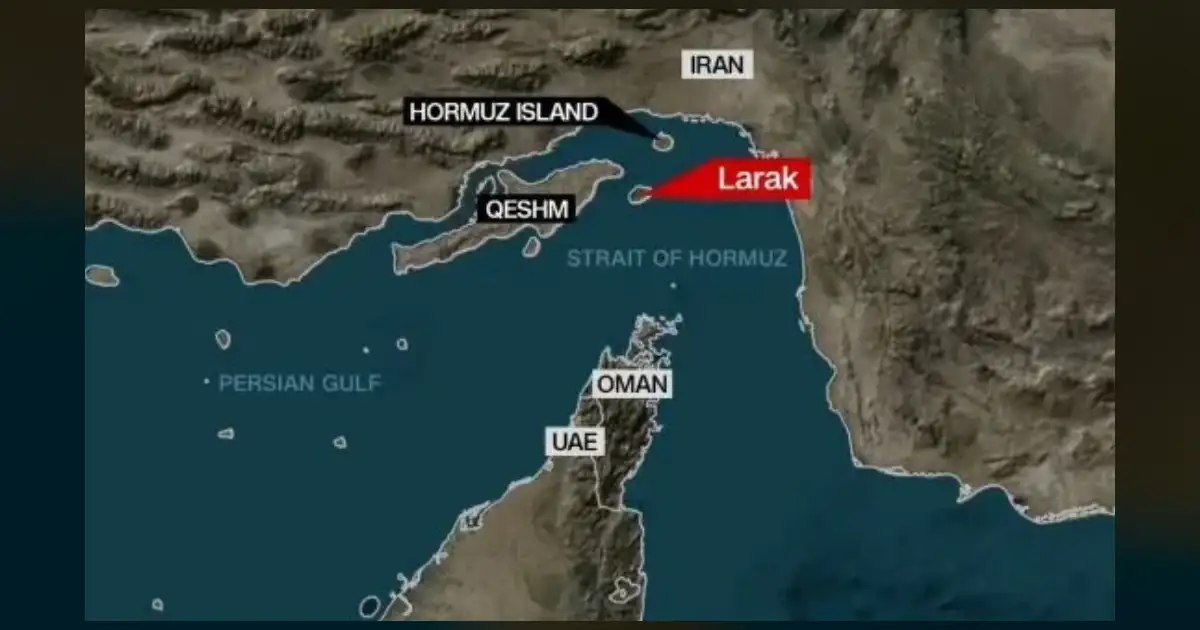
The broader consequences are chilling. Oil markets are already jittery, and the Strait of Hormuz—vital for global energy supplies—is more volatile than ever. A full-blown conflict here could choke off a significant portion of the world’s oil, sending prices soaring and plunging economies into recession. This isn’t hyperbole; it’s a looming reality if escalation continues unchecked. European allies, once cautious, now call for restraint, recognizing the danger of wider chaos. Meanwhile, China, Russia, and other global powers observe with interest—and concern. A conflict in the Middle East could destabilize their own strategic interests or drag them into the chaos through proxy conflicts or economic fallout. Iran’s expanding influence across Syria, Lebanon, and Yemen only heightens the risk. The region is a powder keg, and recent strikes are the sparks that threaten to ignite it. The U.S. finds itself at a crossroads—escalate and risk wider war, or retreat and appear impotent. Neither option is attractive, but the choice may soon be taken out of their hands.What Americans Should Fear
This isn’t merely a regional dispute; it’s a stark warning: the U.S. is losing control of the situation. Every Iranian provocation enlarges their regional leverage, while every American response feeds Iran’s narrative of resistance and defiance. The cycle of escalation spirals tighter, and the danger of a broader war grows more imminent. The real threat? That this cycle accelerates into a full-scale conflict involving multiple nations—an all-out regional war that could engulf the Middle East, threaten global stability, and threaten U.S. interests everywhere. Words about “imminent threats” are hollow without meaningful action. The stakes are too high for half-measures. Domestically, the political fallout complicates matters further. Rising tensions tend to bolster hawkish voices in Congress, making de-escalation even harder. The more the U.S. appears prepared to fight, the more pressure there is to escalate. This is a recipe for disaster, and the American people will bear the brunt of the fallout.The Bottom Line: The Deadly Dance Continues
This isn’t an isolated incident; it’s a symptom of a deeper, more dangerous reality: two powers locked in a deadly dance with no exit. Iran’s leadership views resistance as their only strategic option, while the U.S. refuses to relinquish its dominance. Neither side is willing to back down, and both are playing with fire. Who benefits from this chaos? Certainly not America’s allies striving for stability, nor the American taxpayers funding endless military engagements. The only winners are those who thrive amid chaos—war profiteers, destabilizers, and those seeking regional hegemony. Everyone else risks losing everything. The question isn’t if this will escalate further—it’s how soon. One more strike, one more refusal to de-escalate, and the region could ignite into a full-blown war that will resonate for generations. The only certainty is that neither Iran nor America will walk away unscathed unless they finally admit that their game of brinkmanship has become a game of destruction. It’s high time to abandon the illusion that threats and retaliation are strategic—because the only strategy left is total devastation. And in this deadly game, no one can afford to lose.
Photo: Wikimedia Commons (query: Iran US trade attacks)
Source: Google News