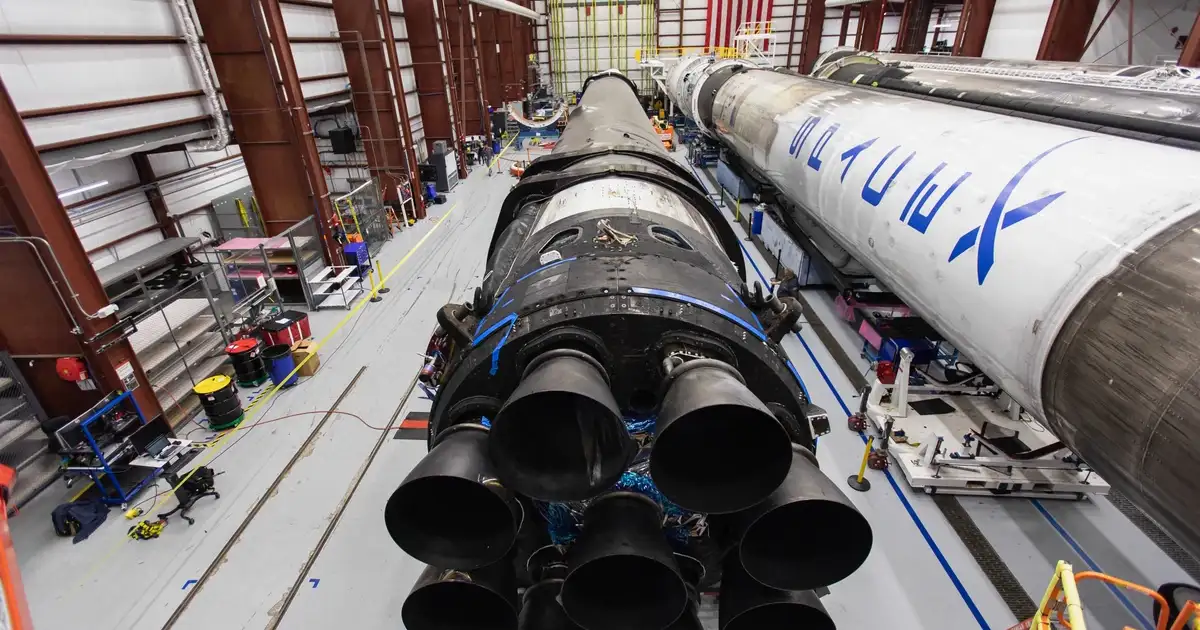

A spent SpaceX Falcon 9 rocket stage is on an uncontrolled collision course with the Moon, slated to impact early Wednesday morning, August 5th. This isn’t a planned maneuver; it’s an accidental act of cosmic littering from a 2025 mission. This imminent crash serves as a potent signal of an escalating environmental crisis in space, demanding urgent attention.
The Unseen Cost of Space Ambition
This rocket stage, having successfully deployed two private lunar landers, has now outlived its utility. It transforms from a marvel of engineering into a mere piece of cosmic detritus. Its uncontrolled trajectory, tracked by dedicated astronomers, underscores a burgeoning and perilous trend.

What we are witnessing is the stark cost of an unchecked commercial gold rush into space. Each triumphant launch and deployed satellite leaves behind spent hardware and fragmented components. This debris, unlike terrestrial waste, doesn’t simply disappear.
This problem is escalating at an unprecedented rate. Companies, driven by profit, are launching more rockets without accountability for the cosmic mess they leave behind. This impending lunar crash is an urgent wake-up call for all stakeholders in the burgeoning space economy.
The Lunar Wild West: A Crisis of Governance
Earth’s orbital environment already grapples with a space junk nightmare. Now, that problem extends to the Moon, threatening to transform our closest celestial neighbor into an unregulated cosmic junkyard. The vacuum of space is matched only by the vacuum of clear, enforceable rules governing deep space cleanup.
Who is responsible for this ever-growing accumulation of debris? Who bears the financial burden for its mitigation or removal? Right now, the answer is a resounding “nobody.”
This absence of accountability allows commercial entities to operate with minimal consequences, prioritizing launch frequency over long-term planetary stewardship. The dream of a vibrant lunar economy sounds fantastic in corporate press releases. But who wants to invest billions in a cratered Moon, perpetually threatened by uncontrolled impacts?
Future lunar endeavors, from scientific probes to human habitats, will inevitably face increasing, preventable risks.
SpaceX’s Pivotal Responsibility
SpaceX leads the commercial space sector, redefining what’s possible. This leadership brings massive responsibility, extending beyond the launchpad. Abandoning rocket upper stages after payload deployment is unsustainable and ethically questionable, demanding urgent re-evaluation.
The company rightly touts its Falcon 9 first stage reusability, a monumental achievement reducing costs and environmental impact in low Earth orbit. But what about the upper stages, which push payloads into deep space? They are often left to drift aimlessly, becoming derelict hazards.
This disparity in sustainability practices must end as humanity pushes into cislunar space. True innovation from a market leader requires foresight and accountability for every piece of hardware launched. Ignoring the debris problem threatens the future of space exploration and the lunar economy.
Additionally, this is not solely a company-specific issue. Other national space agencies and private companies must also design missions with end-of-life disposal and debris mitigation in mind. Every entity contributing to the celestial trash heap shares responsibility for this industry-wide challenge.
The Escalating Threat to Future Lunar Missions
The Moon is rapidly becoming a focal point for ambitious scientific missions, potential resource extraction, and even future human habitation. But imagine the daunting challenge of managing a field of dangerous, uncontrolled debris. Each piece is a potential catastrophe waiting to happen.
Even a relatively small piece of orbital debris, traveling at hyper-velocities, can cause catastrophic damage. It could disable a multi-million-dollar satellite, destroy a lunar lander, or jeopardize human lives. This isn’t science fiction; it is a clear and present danger that grows with every new launch.
Consider the implications for future lunar bases, mining operations, or the planned Artemis missions. A direct hit from a spent rocket stage could cripple infrastructure, contaminate valuable sites, or force costly delays. The financial cost of insuring these ventures will inevitably skyrocket, weakening the business case for lunar development. We desperately need robust international agreements now, paired with clear, enforceable regulations. Companies must design their missions with comprehensive end-of-life disposal in mind, extending this crucial consideration to all trajectories, including those bound for the Moon.
The Price of Progress: A Call for Stewardship
The “move fast and break things” mentality, once common in Silicon Valley, does not translate to space. Breaking things in orbit or on the Moon has lasting, irreversible consequences. These extend far beyond any single company or nation, affecting everyone with a stake in humanity’s cosmic future.
This impending crash is more than a scientific curiosity. It is a stark reminder that the space industry cannot ignore its environmental footprint. This is a wake-up call for engineers, policymakers, and investors alike.
Investors must demand sustainable practices as a prerequisite for their capital. We must demand better, more responsible innovation from our space pioneers. Real progress means sustainable progress, embracing unwavering accountability for every piece of hardware launched.
The Moon should remain a pristine destination for discovery, a symbol of our aspirations, not a dump for spent rocket stages. It is high time for the space industry to mature, shedding its “wild west” tendencies. True stewardship of the final frontier is essential; the future of space belongs to those who respect it, not merely exploit it.
Source: Google News