
Apple’s Foldable iPhone Debut: A Bold Step or Just Gilded Cimmarion?
When Apple enters a new device category, the industry watches closely—and often follows. But with the launch of the foldable iPhone, many question if this device genuinely advances mobile innovation or if it’s just another high-priced distraction aimed at loyal fans.
The Facts You Need to Know
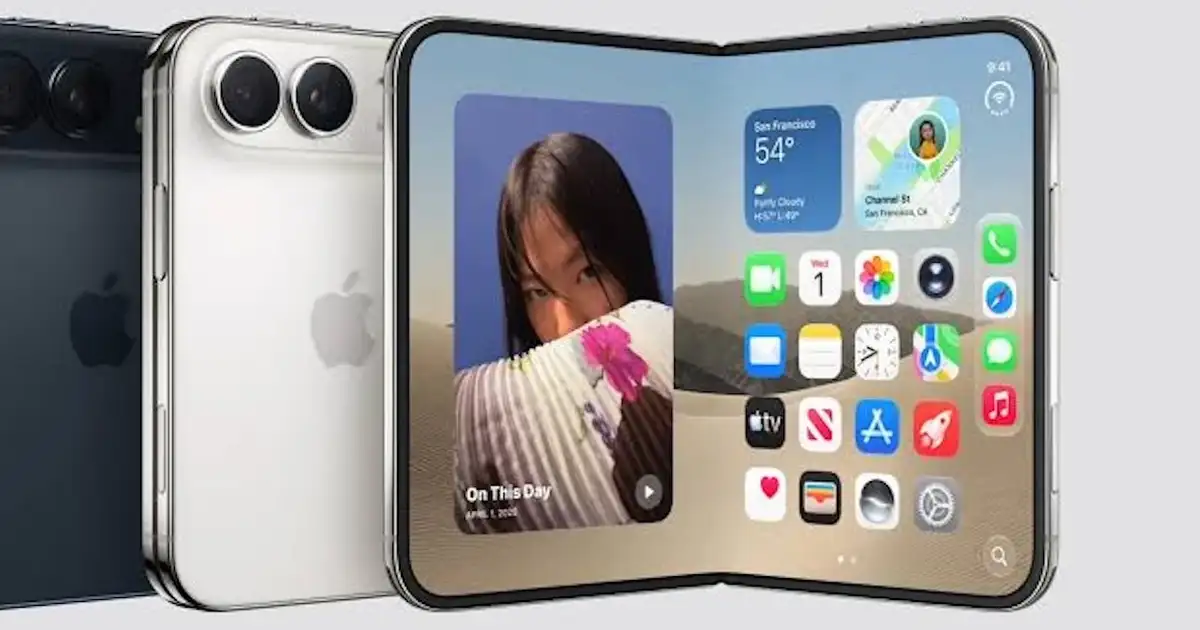
Apple revealed the iPhone Fold (2026) yesterday at its Cupertino campus, sparking buzz. The device sports a 7.6-inch flexible OLED display when unfolded and a 6.1-inch cover screen for quick tasks. Its custom hinge is designed to endure over 200,000 folds, promising about five years of use—if Apple’s claims hold up. Powered by the A18 Bionic chip, it aims for seamless multitasking and app continuity, appealing to loyalists craving smooth performance.

This marks Apple’s first step into foldables, a space long led by Samsung and Huawei. Starting at $1,499, it targets early adopters, executives, and status-conscious buyers willing to pay a premium. Analysts estimate the foldable market could hit $15 billion in revenue in its first year, capturing around 10% of premium smartphone sales by 2028. But is this a genuine revolution or a cautious experiment?
Is Apple Playing It Safe or Betting Big?
Let’s be blunt: this isn’t a groundbreaking innovation; it’s a calculated upgrade. Apple’s goal isn’t to disrupt overnight but to reinforce its ecosystem dominance and appeal to high-end consumers. The steep $1,499 price confirms this device isn’t for the masses—yet. Instead, it’s a statement piece, betting on brand loyalty and ecosystem lock-in to keep users invested in a still-maturing foldable market.
What makes Apple’s move intriguing isn’t just the tech but how it leverages its ecosystem. The 7.6-inch display opens new app possibilities—multitasking with three apps, immersive gaming, creative workflows. Apple has partnered with Adobe, Microsoft, and gaming studios to optimize apps for foldables. This isn’t just innovation; it’s strategic ecosystem lock-in—designed to keep users within Apple’s universe.
Will the Industry Follow or Is Apple Just Playing Dress-Up?
Apple’s entry could push the industry to accelerate foldable development. If its proprietary hinge and flexible display prove durable—an open question—we might see foldables shed their reputation as fragile prototypes. But the real test: will consumers shell out $1,499 for a device with durability doubts? Or will they stick with Samsung, which has refined foldables over multiple generations and offers lower prices?
Forecasts suggest foldables will remain a small niche—around 10% of premium smartphones by 2028. It’s a promising niche, not a revolution. Apple’s brand loyalty and ecosystem give it an edge, but it’s betting consumers are ready to upgrade again. Ultimately, this move signals a shift: from hardware sales to services, subscriptions, and ecosystem engagement. The foldable isn’t just a device; it’s a tool to deepen user lock-in—more screens, more subscriptions, more revenue.
The Challenges Are Real—and Apple Is Aware
Manufacturing costs for foldable displays and hinges stay high. The cost of the hinge and flexible screen limits supply and keeps prices elevated. Durability remains uncertain—Apple claims its hinge lasts five years, but early reviews and skeptics advise caution. Plus, app developers face the challenge of adapting their offerings—a process that takes time and investment. Building a robust developer ecosystem is key to unlocking foldable potential.
Apple’s long-term vision? To blur the lines between phone, tablet, and wearable devices. The foldable could become a key bridge—a device that morphs seamlessly between forms. But today, it’s more about convincing high-end consumers to spend nearly $1,500 on a device that may still be fragile and experimental. Will this be a durable workhorse or just a shiny, expensive prototype?
The Bottom Line
The launch of the foldable iPhone is more spectacle than revolution. It’s a high-priced gadget aimed at early adopters and status seekers, wrapped in Apple’s ecosystem lock-in. While other brands improve durability and cut costs, this isn’t a market-shaking breakthrough.
Apple’s strength isn’t just foldable tech—it’s its brand, loyalty, and services. The foldable is another tool to keep users within its universe, not necessarily to lead a market revolution. The key question: are consumers willing to pay a premium for a device still battling durability issues and high costs? Or will they wait for version 2, when tech might be more refined?
The Final Word
Apple’s foldable iPhone is a bold move but not a revolution. It’s a high-priced tease designed to lock in loyal customers and set the stage for future innovations. The real breakthrough depends on lower prices, improved durability, and full ecosystem integration—until then, it’s a shiny, fragile placeholder. Apple is playing catch-up, not leading the foldable revolution.
Will foldables shape the future of mobile or just serve as another shiny distraction for Apple’s marketing machine? Only time—and consumer willingness—will tell.
Source: Google News