
Imagine the unthinkable: you’re asleep, safely tucked in bed, yet your body betrays you. You rise, move, and then fall – a terrifying plunge into a nightmare that’s all too real. This isn’t a horror movie plot; it’s the devastating reality for one family.
Sleepwalking is far more than a quirky nocturnal habit. It’s a silent, often misunderstood threat with life-altering consequences.
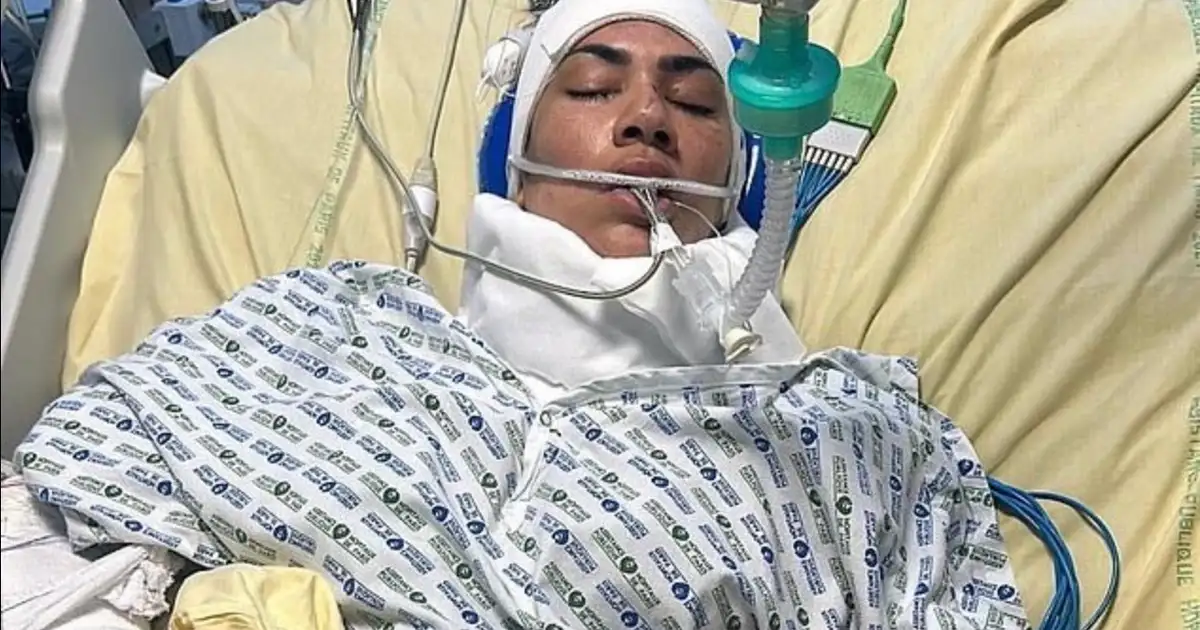
Sarah Jenkins, a 44-year-old mother of two from Manchester, UK, is now fighting for her life, her world irrevocably altered. She lies in a medically induced coma, having suffered a catastrophic brain injury after sleepwalking off a 40-foot balcony. This horrific incident unfolded in Tenerife, Spain, on August 3, 2026, around 2:30 AM, while she was on holiday with her family.
The fall left Jenkins with severe head trauma, multiple fractures, and extensive internal injuries. Emergency surgery was performed to address a traumatic brain injury (TBI), but her recovery path remains agonizingly long and uncertain. Doctors have issued a grim warning: permanent neurological damage is a very real possibility, casting a long shadow over her and her family’s future.
The Deceptive Calm Before the Storm: Understanding Somnambulism
For too long, sleepwalking has been dismissed as a harmless quirk, a funny story to tell at brunch. This tragic event in Tenerife shatters that misconception. As a science communicator, I can tell you unequivocally: sleepwalking, or somnambulism, is a serious medical condition.
It is not merely a source of amusing anecdotes. It’s a complex parasomnia that demands our attention and respect.
The numbers speak for themselves. While often associated with childhood, somnambulism affects approximately 4% of adults. Up to 19% of adult sleepwalkers report sustaining injuries during these episodes.
These aren’t just minor bumps. They can range from cuts and bruises to severe falls, broken bones, and critical injuries, mirroring Sarah’s devastating experience.
What makes these episodes worse? Often, it’s a confluence of factors: heightened stress, alcohol consumption, and unfamiliar environments. A holiday, with new surroundings and perhaps a few extra drinks, can transform a dormant tendency into a dangerous reality.
Is it any wonder that travel becomes a particularly risky scenario for those prone to sleepwalking?
“Sarah’s children are heartbroken. We knew she sleepwalked sometimes, but never in our worst nightmares did we imagine something so catastrophic. We just pray for a miracle and for her to come back to us.”
— A family spokesperson, speaking to local media in Tenerife
This raw plea from Sarah’s family isn’t just a personal tragedy; it’s a resounding alarm bell for all of us. We simply cannot afford to ignore sleep disorders any longer. To do so is to gamble with lives.
It leaves individuals and their loved ones vulnerable to unimaginable pain.
Beyond the Fall: The Enduring Scars of Traumatic Brain Injury
Sarah Jenkins’ severe traumatic brain injury means she faces a long, grueling fight. This battle extends far beyond the immediate aftermath of the fall. Falls, often dismissed as accidental, are a leading cause of TBI, impacting millions globally each year.
The statistics surrounding severe TBI are sobering, even heartbreaking. Only about 10% of severe TBI patients achieve a “good recovery.” For the vast majority, the journey is fraught with lifelong challenges.
Imagine waking up to a world where simple tasks feel like monumental hurdles. This is the reality for many TBI survivors, who often contend with a spectrum of cognitive impairments – memory loss, difficulty concentrating, altered executive function – alongside motor problems and profound emotional and personality changes. The person they were, the life they knew, can be irrevocably altered.
“Traumatic brain injuries from falls of this height are incredibly severe. The immediate focus is stabilization, but the long-term cognitive and physical rehabilitation can be extensive and challenging. It’s a stark reminder of the dangers associated with uncontrolled sleepwalking episodes.”
— Dr. Elena Rodriguez, neurologist at Hospital Universitario Nuestra Señora de Candelaria, as reported by Reuters
The ripple effect of such an injury extends far beyond the patient. The burden on families is immense, a crushing weight of medical costs, round-the-clock care, and emotional tolls that run impossibly deep. This isn’t just about Sarah’s individual struggle.
It’s about the profound disruption to her entire family’s future, highlighting the devastating reach of a single, tragic incident.
A Shared Responsibility: Travel, Awareness, and Prevention
This incident demands a candid, perhaps uncomfortable, conversation about travel safety. It’s not just about ensuring your passport is valid or your luggage is secure. It’s about a deeper, more personal form of vigilance: understanding your own body and its unique risks.
If you are someone who sleepwalks, you carry a crucial responsibility to protect yourself and those around you.
For individuals with a history of somnambulism, proactive precautions are not optional; they are essential. Before settling into an unfamiliar hotel room, secure windows and balcony doors. These simple actions can literally be life-saving.
Crucially, inform your travel companions about your condition. They can be your first line of defense, a watchful presence that could prevent disaster. These aren’t just suggestions; they are vital strategies for harm reduction.
While the hotel where Sarah fell is now investigating, and the tourism industry will face questions about guest safety, the primary defense often rests with the individual. Disclosing known medical conditions, especially dangerous ones, is not just a courtesy. It’s a critical step in a shared responsibility framework.
Hotels, too, must consider implementing clearer safety guidelines. They should at least offer information for guests with specific vulnerabilities.
“Many people dismiss sleepwalking as harmless, but it’s a serious parasomnia. Stress, alcohol, and changes in environment, like being on holiday, can exacerbate episodes. For individuals with a history of sleepwalking, especially complex ones, it’s crucial to implement safety measures, such as securing windows and doors, and to seek medical advice.”
— Dr. Alistair Finch, a leading sleep specialist in the UK, in an interview with The Guardian
As a science communicator, I echo the urgent call from public health advocates: we need far more education surrounding somnambulism. We must move beyond outdated perceptions. We need to embrace a scientific understanding of its triggers, risks, and prevention.
This isn’t just about individual awareness. It’s about fostering a societal understanding that prioritizes sleep health as a fundamental component of public safety.
Sarah Jenkins’ story is a chilling reminder of our profound vulnerability when we surrender to sleep. Ignoring conditions like sleepwalking isn’t just negligent; it can lead to unimaginable, irreversible pain. So, what happens when we close our eyes?
Sometimes, the most dangerous journey begins then. It’s time we stopped underestimating our sleeping minds. We must start taking our sleep health as seriously as our waking lives.
Source: Google News