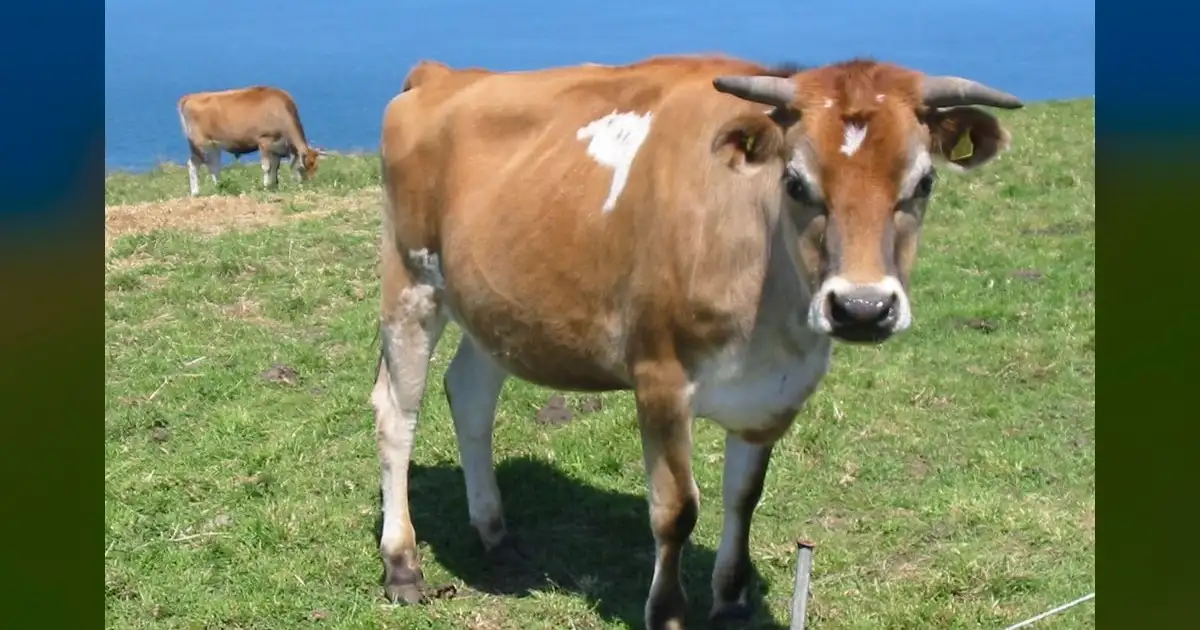

The unthinkable is happening again. Not in some forgotten prairie, but right here on Wisconsin’s family farms: $180,000 worth of cattle, vanished. This isn’t a quaint historical footnote; it’s a brutal reality gutting our agricultural backbone, and frankly, it feels like no one is stopping it. Thieves are operating with chilling precision, wiping out livelihoods while authorities scramble to catch up.
Farmers like Sarah Jensen in Grant County are waking up to empty pastures, their livelihoods stolen in the dead of night. Her farm was hit, and she didn’t mince words, calling it
“an organized attack on our way of life.”

She’s absolutely right. These aren’t random acts of petty theft.
Perpetrators roll in with specialized trailers, clearly knowing farm layouts and routines, and vanish into the darkness. They’re targeting high-value beef cattle, wiping out years of investment and carefully managed breeding programs in a matter of hours.
Wisconsin’s Farmers Under Siege
The Wisconsin Department of Agriculture, Trade and Consumer Protection (DATCP) has finally admitted an “uptick” in these reports. Agent Mark Thompson of the DATCP offered the standard line:
“We are actively collaborating with our counterparts in Ohio.”
That’s just dandy, Mark. But where was that “coordinated response” before three Wisconsin farms got cleaned out just this week?
Where was the preventative protection, the visible presence, when these thieves were undoubtedly scouting properties, casing their next target?
The financial stakes are staggering. The average value of a stolen beef cow ranges from $1,500 to $3,000.
Some reports indicate even higher-value breeding stock — the genetic future of a herd — is gone. This isn’t just about numbers on a ledger; it’s the future of small, multi-generational farms vanishing overnight.
The financial and emotional toll is immense, as John Miller, President of the Wisconsin Farm Bureau Federation, rightly points out.
But I have to ask: what exactly are these associations doing beyond raising awareness and issuing press releases? Where is the concrete action?
Too Little, Too Late from Law Enforcement?
Law enforcement’s grand strategy? They’re forming a “joint task force,” “increasing rural patrols,” and “exploring drone surveillance.”
Let’s be blunt: this all sounds like locking the barn door after the cattle have bolted.
Their advice? Farmers should install better lighting, motion sensors, and cameras. They’re pushing “community watch programs.”
So, the burden, once again, falls squarely on the already struggling farmer to become their own private security firm? It’s an insult.
Of course, investigators are “focusing on potential black markets” for meat – that’s a given.
But the sheer audacity that such a sophisticated, multi-state operation can thrive for weeks, stealing over $180,000 worth of livestock with apparent impunity, exposes a glaring, dangerous gap in rural security.
These criminals aren’t just selling cows for a quick buck; they’re feeding a dark demand for untraceable, unregulated meat, completely outside the bounds of public health and safety.
Who, exactly, is buying it? And why aren’t we shutting them down? That’s the real, unsettling question.
The Red Marker: Who Really Profits?
This whole debacle isn’t about some isolated crime wave; it’s a stark, painful exposure of how alarmingly vulnerable Wisconsin’s rural economy is to professional predators.
The mainstream narrative will undoubtedly frame this as “unfortunate incidents.” My red marker, however, screams: This is a systemic failure.
The “organized nature” isn’t just a minor detail; it’s the core, chilling truth.
It means these thieves boast a sophisticated, multi-state network for transport, illegal slaughter, and illicit distribution, operating with brazen impunity.
The hypocrisy is glaring, isn’t it? We talk endlessly about supporting local agriculture and the cherished family farm.
Yet when organized crime moves in with such force, the state’s response is reactive, agonizingly slow, and shamefully puts the onus back on the victims.
The financial motive is crystal clear: these operations are bypassing all legal channels, taxes, and crucial health regulations. They flood an illicit market with cheap, dangerous meat, directly undercutting every legitimate business and honest farmer.
This isn’t just cattle rustling; it’s a calculated, direct attack on our food supply chain, our economy, and the honest, hardworking people who sustain it.
Don’t expect a few drone patrols to fix a problem that demanded proactive, aggressive enforcement from the very beginning.
We need far more than task forces formed after the fact, after the damage is done. We need serious, sustained, and aggressive intervention to dismantle these criminal networks root and branch. Otherwise, Wisconsin’s farmers will continue to pay an unbearable price, and we — the consumers — will all end up eating meat from sources we can’t trust, meat that could be dangerous, meat from God knows where. Is that a future we’re willing to accept for our state?
Source: Google News