
ICE Agent Shoots Venezuelan Migrant in Austin: A Deadly Escalation in Immigration Enforcement
In the middle of America’s immigration crisis, an ICE agent’s shooting of a Venezuelan man in Austin has sparked protests and questions about law enforcement’s role in migrant communities. This event highlights how aggressive border tactics risk spiraling out of control and infringing on civil rights.
What happened in Austin? The brutal details
At 2:30 a.m. on September 19, federal immigration agents raided downtown Austin targeting suspected undocumented migrants. When 29-year-old Javier Delgado tried to run, an ICE officer fired multiple shots, hitting him in the leg and torso. Witnesses say Delgado was fleeing when gunfire erupted, turning the quiet night into chaos.

Delgado remains in critical but stable condition. The officer involved, from the Dallas field office, is on administrative leave as authorities review the incident. But was this shooting justified, or was it a reckless overreaction?
- Time: 2:30 a.m., September 19
- Location: East 7th Street and Comal Street, Austin
- Victim: Javier Delgado, Venezuelan migrant, age 29
- Involved officer: ICE agent from Dallas
Official response: a whitewash or a cover-up?
The Austin Police Department is investigating, but officials’ statements seem dismissive. DHS claims agents acted within the law, but shooting a man fleeing in the back raises serious doubts. Was this a justified use of force or a panic-driven overreach?
ICE’s aggressive tactics in immigrant neighborhoods like Austin suggest this isn’t an isolated incident. It’s part of a pattern of militarized enforcement that blurs the line between lawful action and brutality. Why did this escalate to gunfire? And how many more lives will be caught in the crossfire before reform happens?
The protests: angry voices demand justice
Hours after the shooting, hundreds gathered outside the federal courthouse, chanting: “Stop the violence!” and “Justice for Javier!” Activists accuse ICE of reckless brutality and disproportionate force. This isn’t just about one injury; it’s a symptom of a system that operates like an armed militia rather than law enforcement.
Plans for a larger protest on September 22 are underway. Community leaders demand transparency, but can anyone trust DHS or ICE to police themselves? Past internal investigations rarely lead to accountability, raising doubts about real consequences for officers who cross the line.
Why this shooting exposes the real problem
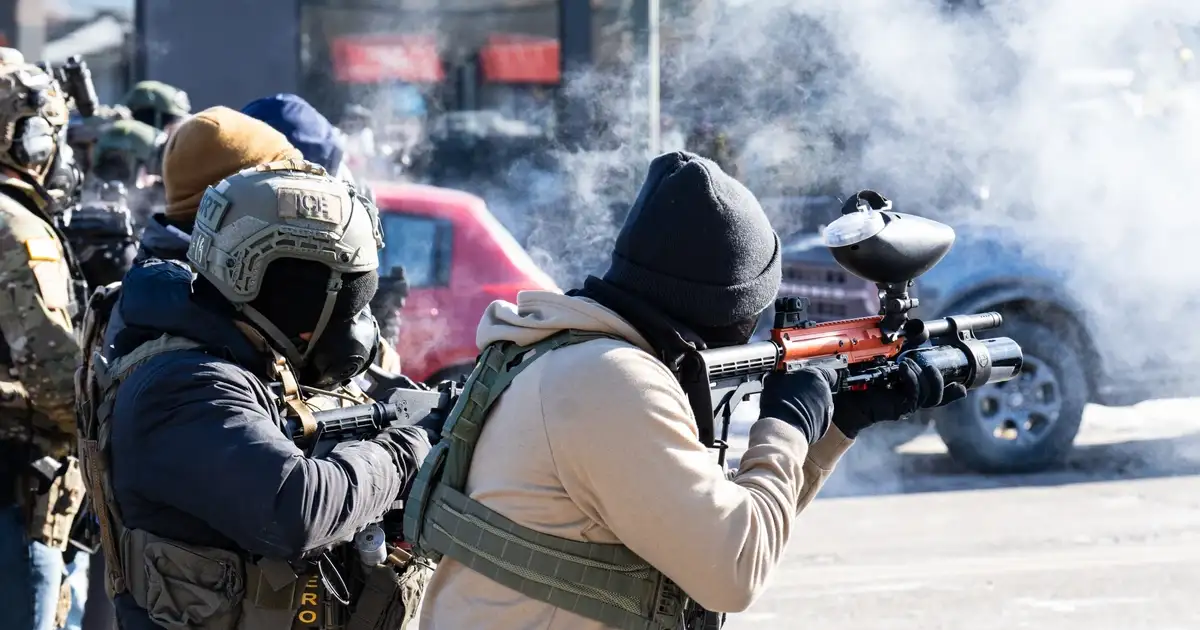
This incident reveals a flaw in interior immigration enforcement. ICE’s militarized tactics have turned them into a paramilitary force, often trampling civil rights. Delgado’s attempt to escape was desperate, but firing multiple rounds questions the use of deadly force in such situations.
Was there an effort to de-escalate? Were non-lethal options considered? Or was this a panic response driven by poor training and a culture of aggression? Delgado’s condition underscores how reckless this operation was and how dangerous current enforcement policies have become.
The political and legal fallout: a powder keg
This shooting fuels political debate nationwide. Polls show a divided public: around 52% support stricter border policies, while 45% push for humane treatment and pathways to citizenship. Expect both sides to weaponize this incident, fueling the fierce partisan fight over immigration.
Legal experts warn Delgado’s family might sue for excessive force. The DHS Office of Inspector General has announced an investigation that could lead to disciplinary measures or criminal charges. But history shows internal probes rarely result in accountability; they often serve to placate public outrage without real consequences.
The real villain: ICE and its unchecked authority
ICE’s unchecked power fuels this crisis. Their militarized tactics, often operating with impunity, have turned immigration enforcement into an armed operation. The fact that the officer is only on administrative leave highlights systemic failure to hold agents accountable. Meanwhile, Delgado’s life hangs in the balance, and immigrant communities remain fearful of similar violence.
This incident reminds us: ICE’s approach is less about law enforcement and more about intimidation. Their policies dehumanize Latin American migrants, perpetuating violence and mistrust that threaten civil rights in America.
What’s next? More protests, more chaos
Community groups plan a major rally demanding transparency and accountability. But will this be enough? Or are we headed toward more violence and bloodshed on American streets?
This isn’t just a local issue; it’s a national crisis. As immigrant populations grow, the fallout from this shooting could ignite broader political conflicts—challenging the Biden administration’s policies and forcing a reckoning on enforcement practices. How much longer can we ignore the mounting toll of unchecked authority?
Final word: a turning point or a false alarm?
This shooting should be a wake-up call. Allowing agencies like ICE to operate with unchecked power risks more tragedies and societal division. When government agents open fire on fleeing migrants, they break the social contract that binds us as a nation.
Real reform is needed—no more lip service or cover-ups. Will the public demand accountability, or will this incident fade into another headline? The choice is ours, and history will judge whether we acted with courage or complacency.
Source: Google News