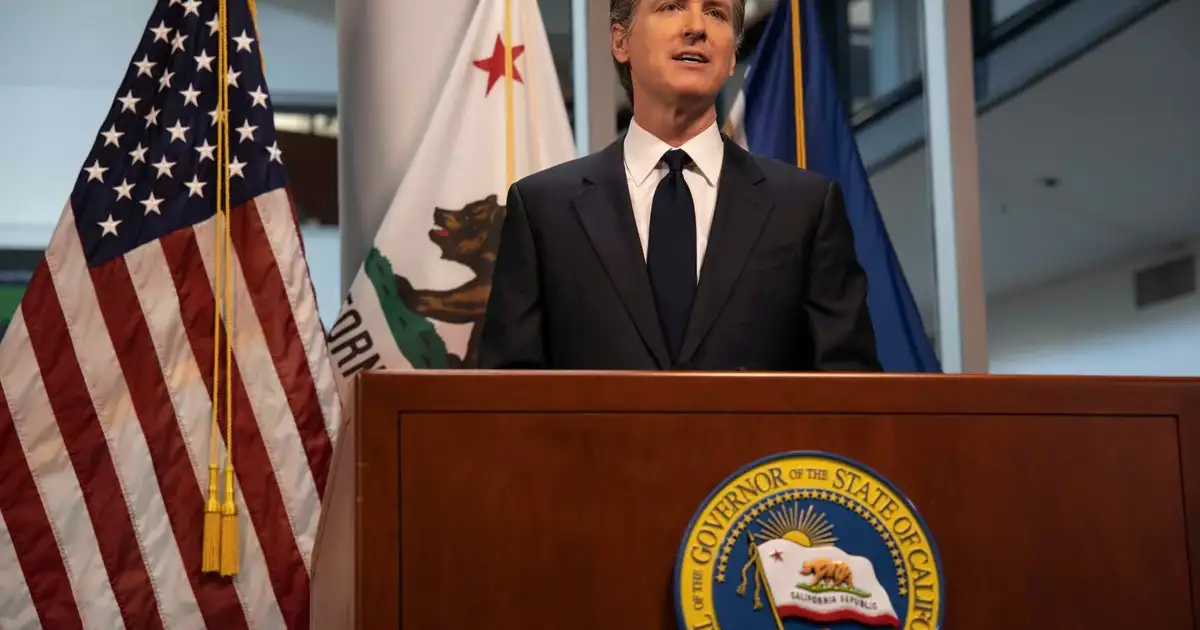

In the cutthroat arena of presidential ambition, few spectacles are as transparently cynical as California Governor Gavin Newsom’s recent public denouncement of Joe Rogan. Just four short years ago, Newsom, then a rising star, practically prostrated himself for a coveted spot on Rogan’s massively popular podcast. Now, with a 2028 White House bid looming, the stench of political opportunism hangs heavy, almost suffocating.
Newsom, a Democrat with an eye firmly on the 2028 presidential race, unleashed his scathing “ahole” remark on CNN’s “State of the Union” on August 9, 2026. When pressed about his past appearance on “The Joe Rogan Experience,” his answer was not merely blunt; it was a calculated, surgical strike designed for maximum political impact.

The Opportunist’s Playbook: A Case Study in Expediency
Rewind to August 2022. Newsom’s decision to sit down with Rogan was widely hailed by political strategists as a stroke of genius. It offered him an invaluable bypass around the traditional mainstream media gatekeepers, granting direct access to Rogan’s estimated 11 million listeners per episode. This audience, famously diverse and fiercely independent, represented a demographic many Democrats struggle to reach.
At the time, Newsom’s team spun the move as “engaging with diverse viewpoints,” a noble effort to “bridge divides.” Such lofty rhetoric now rings hollow. Four years later, the script has not merely flipped; it has been torched. The very man who once courted Rogan’s platform now openly disparages him, labeling him an “ahole” for his recent rhetoric and the guests he chooses to platform. This isn’t just a shift; it’s a political betrayal.
“Look, I went on his show to engage, to challenge, to try and bridge divides. But let’s be clear, the guy’s an ahole,” Newsom stated, a perfectly pitched soundbite crafted for his intended audience.
This is no genuine evolution of thought, no sudden epiphany regarding Rogan’s character. This is a cold, strategic pivot. Newsom is gearing up for a brutal national primary fight, and to win it, he must solidify his progressive base. That base, increasingly vocal and demanding, views Rogan not as an opportunity for dialogue, but as a significant political liability, a purveyor of “misinformation” and “dangerous” ideas.
Newsom’s Shifting Presidential Strategy: A Calculated Betrayal
Newsom’s abrupt change of heart is anything but accidental; it is a meticulously calculated maneuver for his all-but-declared 2028 presidential bid. His 2022 appearance was emblematic of a “big tent” strategy, an attempt to demonstrate he could appeal beyond the Democratic echo chamber, reaching independents and even disaffected conservatives. It was a play for broad appeal, a signal of his willingness to engage with those outside the party’s ideological comfort zone.
However, the political climate has calcified dramatically since then. Recent polling, notably a July 2026 Pew Research Center study, starkly illustrates the deepening partisan divides. Trust in non-traditional media figures like Rogan is now sharply polarized: while Rogan enjoys high favorability among Republicans and many independents, Democrats generally view him with suspicion, if not outright disdain.
Newsom is now drawing an unmistakable line in the sand. He is aggressively distancing himself from any figure perceived as a conduit for “misinformation” or controversial viewpoints. This move is explicitly designed to appease the progressive wing of his party, a faction that demands ideological purity and clear, unequivocal denunciations of figures like Rogan. It’s a performance crafted for the primary voter, not for genuine dialogue.
This is a cynical maneuver, revealing a politician eager to exploit any platform for exposure, only to then ruthlessly throw that platform under the bus when it becomes politically inconvenient. The average American, watching this blatant hypocrisy unfold, sees through it with weary clarity. It breeds further distrust, further cynicism, and further entrenches the belief that politicians operate solely on self-interest.
The Price of Political Expediency: Who Wins, Who Loses?
So, who, precisely, gains from this political maneuver? Gavin Newsom, for one. He gets to project an image of toughness, demonstrating he stands firm against “problematic” voices. This plays exceptionally well with the Democratic primary voters he desperately needs to win over. It burnishes his progressive credentials, signaling a clear, unambiguous break from any perceived softness or willingness to compromise with the political opposition.
And who, ultimately, bears the cost? Rogan’s audience pays. Independent voters pay. They witness yet another politician execute a breathtaking flip-flop. They see a leader who preaches “bridging divides” only when it perfectly suits his ambition. This fuels public cynicism about the entire political class, reinforcing the insidious idea that principles are not bedrock convictions, but rather flexible commodities that change with the prevailing political winds.
This isn’t merely about Joe Rogan. It’s about the broader “Rogan Dilemma” confronting Democrats: can they genuinely engage with figures popular outside their ideological bubble, or must they always resort to denunciation? Newsom’s choice is stark and clear. He chose denouncement, and he chose it precisely when it became strategically advantageous, a calculated sacrifice of consistency for perceived gain.
This incident highlights the precarious tightrope politicians are forced to traverse. They crave vast audiences, yet they simultaneously fear alienating their base. Newsom, in this instance, chose his base. He chose it over consistency. He chose it over the very notion of genuine, open dialogue, proving that for some, the path to power is paved with discarded alliances.
Hypocrisy or Strategic Evolution? The Insider’s View
Newsom’s most ardent supporters will undoubtedly attempt to frame this as a “strategic evolution.” They will argue he’s merely adapting to the times, perhaps even claiming that Rogan’s content has somehow shifted dramatically, and Newsom is simply responding to new information. This, from an insider’s perspective, is pure spin—a transparent attempt to sanitize a blatant, self-serving flip-flop.
The truth, as it so often is in politics, is far simpler and far more cynical. Newsom initially sought Rogan’s platform for one reason: reach. He went there because Rogan’s audience is massive, a direct pipeline to millions of potential voters. He used Rogan to disseminate his message. Now, that same association, once a boon, has become a potential liability in the increasingly polarized landscape of a presidential primary. So, he cut ties. He cut them publicly, harshly, and without a hint of irony.
This isn’t about principle. It’s about polling. It’s about primary voters. It’s about the relentless, unyielding pursuit of power. Newsom, like many before him, is willing to say whatever is necessary, align with anyone, then discard them with ruthless efficiency to climb the political ladder. It’s a well-worn playbook, executed with precision.
This mirrors a familiar pattern in Washington: politicians engage with controversial figures or policies when it helps their careers, only to disavow them with righteous indignation when the political cost begins to rise. It’s a revolving door of convenience, a testament to the transactional nature of modern politics.
Newsom’s move is a perfect, textbook example of this dynamic. He once saw Rogan as a valuable tool; now he perceives him as a political obstacle. His words on CNN were not an honest assessment of character. They were a carefully crafted message, aimed squarely at his progressive primary voters, a dog whistle to the base that demands ideological purity.
The Cynical Reality of Modern Politics: Power Above All Else
This incident matters because it lays bare the evolving strategies of presidential hopefuls as they navigate a fractured, often hostile, media landscape. They constantly recalibrate their public personas, not for authenticity, but to maximize their electoral prospects. Newsom’s decision highlights this stark reality with uncomfortable clarity.
He is prioritizing his progressive base, drawing clear, unambiguous lines against figures perceived as problematic by that crucial demographic. This is not about bridging divides; it is, quite deliberately, about widening them to pander to a specific, powerful segment of the electorate. It’s a calculated move to consolidate power, not to foster understanding.
For the average American, it’s simply more of the same tired political theatrics. More politicians saying one thing today and another tomorrow. More leaders sacrificing consistency, even integrity, at the altar of ambition. It’s a stark reminder of how power truly operates in Washington: principles are secondary, if they exist at all. Power is everything.
Newsom’s “ahole” comment was anything but spontaneous. It was strategic. It was a calculated jab, designed to send a loud and clear message: he’s ready to fight for the progressive vote, no matter the cost to his own credibility. He will torch old alliances without a second thought, if it serves his ultimate aim.
What does this tell us about his character? It tells us he is a ruthless politician, willing to do whatever is necessary to win. This is the kind of leader who will make promises today and break them tomorrow if it serves his ultimate goal—the White House. The American people deserve far better than this level of blatant, unvarnished political opportunism. They deserve leaders who value integrity over ambition, and consistency over convenience. Newsom, it seems, offers neither.
Source: Google News