
Trump’s Unsubstantiated Iran Blame on FlyDubai Hijack: A Dangerous Game of Political Recklessness
Donald Trump has accused Iran of orchestrating the recent failed hijack attempt on a FlyDubai flight—without providing any evidence. This reckless claim highlights his tendency to weaponize misinformation for partisan gain, risking regional stability and escalating tensions unnecessarily.
The Incident and the Silence
On September 30, a FlyDubai flight from Dubai to Istanbul was targeted in what authorities call an attempted hijacking. The plane was diverted, and Turkish security forces intervened, preventing injuries. Official statements remain sparse; Dubai’s aviation authority acknowledged the event but offered few details. No group has claimed responsibility, and no concrete evidence links any actor to the attempt—except, notably, Trump.

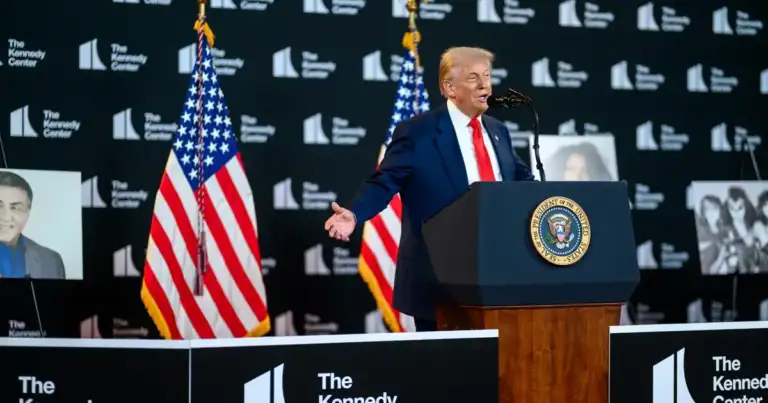
On October 1, Trump tweeted, “Based on what I’m hearing, Iran is behind the hijack attempt,” offering no proof, only vague references to intelligence sources. His statement appears more like political posturing than a factual assessment.
Decoding the Middle East’s Turmoil
- Since the Biden administration’s efforts to revive the Iran nuclear deal faltered, regional tensions have increased. Iran faces accusations of supporting proxy groups like Hezbollah and Houthis, fueling chaos from Lebanon to Yemen.
- Saudi Arabia, the UAE, and Turkey are ramping up military spending, bracing for escalation. Yet, none have publicly blamed Iran—yet. The region remains on edge, waiting for a trigger.
- Trump’s baseless accusation seems aimed at political theatrics, especially as he seeks to reassert himself ahead of 2026 elections.
The Politics of Misinformation and Its Perils
Trump’s claim lacks support from any public intelligence report. U.S. officials are still reviewing the incident, and no evidence has emerged. But for Trump, the truth is secondary to shaping a narrative. His base craves tough-on-Iran rhetoric, regardless of facts.
Why does he do it? Fear-mongering about Iran energizes his supporters, fuels partisan loyalty, and distracts from domestic issues. Meanwhile, regional stability risks unraveling if misinformation prompts military responses based on falsehoods, potentially igniting a broader conflict.
Lessons from Past False Flags and Misinformation Campaigns
- In 2019, the U.S. blamed Iran for a drone missile shootdown—later debunked. That incident nearly led to military escalation based on unverified claims.
- The 2003 Iraq invasion was justified by nonexistent weapons of mass destruction, illustrating how false accusations can lead to catastrophic wars.
Who Truly Benefits from Trump’s Reckless Rhetoric?
Trump’s supporters see him as a “strong leader,” but the real winners are the military-industrial complex and hawkish policymakers eager for conflict. Defense contractors stand to gain from increased budgets, while politicians use these claims to justify more military spending. Iran’s adversaries also exploit the rhetoric to push sanctions or military action, deepening regional instability.
The Path Forward: Escalation or De-escalation?
If no credible evidence surfaces linking Iran to the hijack, Trump’s accusations will stand as irresponsible political posturing—dangerous and misleading. The damage, however, persists: misinformation fuels instability and raises the risk of conflict based on lies.
If some evidence does emerge—an unlikely scenario—then the U.S. risks rushing into escalation. Given Trump’s history, he’ll likely push his narrative regardless, bringing the U.S. closer to conflict based on shaky grounds.
Expect more accusations and bluster, driven by political convenience rather than facts. That’s how warmongers operate: on lies, half-truths, and exploiting fear.
The Broader Danger of Trump’s Iran Obsession
This hijack incident, whether Iran is involved or not, exposes Trump’s obsession with portraying Iran as the villain. His reckless rhetoric threatens to ignite conflicts that could destabilize the region and threaten global peace.
Regional allies watch nervously, aware that the U.S. could stumble into war based on unsupported claims—just as it did with Iraq and Syria. The question Americans should ask: who truly benefits from this chaos? Is it Trump’s ego, the military-industrial complex, or both? Either way, the stakes are high, and the truth is the last thing they want the public to see.
History warns us—lies and half-truths often lead to war. The real question is whether we will learn from past mistakes or allow Trump’s reckless bravado to lead us into another avoidable conflict.
Source: Google News