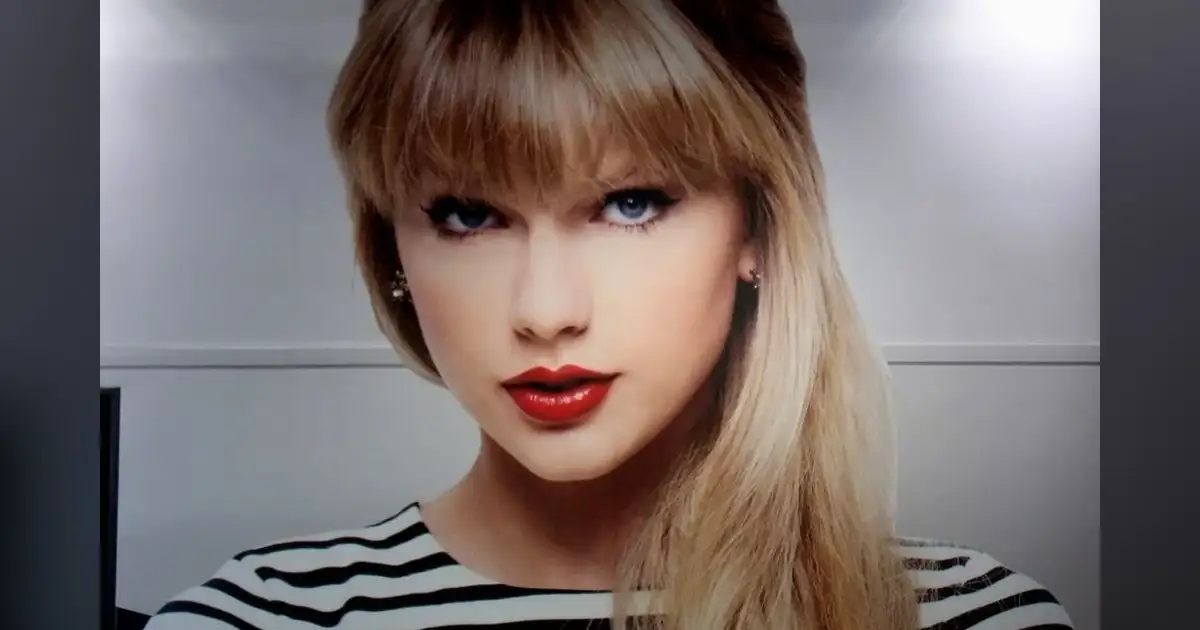

In the high-stakes arena of digital politics, pop music icon Taylor Swift has delivered a tactical blow, effectively pulling her catalog from President Donald Trump’s TikTok campaign videos. This isn’t mere celebrity flexing; it’s a strategic maneuver that reshapes the digital battleground, forcing campaigns to recalculate their playbook and adapt to a new reality where cultural capital is a fiercely guarded asset.
Let’s be clear: this isn’t an isolated, personal vendetta by Swift against a single political figure. On January 31, 2024, Universal Music Group (UMG), Swift’s record label, began a sweeping withdrawal of its entire music catalog from TikTok. This came after a contentious breakdown in licensing negotiations.

UMG cited inadequate compensation for artists and insufficient protection against AI-generated content. As a direct consequence of this industry-wide dispute, Swift’s tracks – along with those of countless other UMG artists – vanished from the platform. The political ripple effect, however, is undeniable: Trump’s campaign, having leveraged Swift’s viral appeal, suddenly found its soundtrack silenced.
The Playbook: Swift’s Calculated Strike
The recent vanishing act of Swift’s tracks from Trump’s official and fan-generated campaign videos on TikTok isn’t just a technical glitch. It’s a stark demonstration of how intellectual property rights can become a potent weapon in the political arena.
While the broader removal was part of UMG’s larger dispute, its immediate impact on Trump’s digital outreach is a case study in strategic resource denial. The message from Swift’s camp, amplified by UMG’s actions, is unequivocal: her cultural capital will not be co-opted for political messaging she does not endorse. This is copyright enforcement elevated to a political power play, a direct challenge to any campaign attempting to exploit popular culture without consent.
Who Holds the Leverage?
Forget the melody; this game is about leverage. Taylor Swift doesn’t just sell out stadiums; she commands a political army, a voting bloc any campaign strategist would sacrifice an entire advertising budget for. Her influence isn’t merely anecdotal; it’s quantifiable in voter registration surges and merchandise sales.
When Swift makes a move, the political landscape shifts. Conversely, Trump’s campaign operates on the principle of maximum engagement, a constant feed of content designed to captivate and mobilize.
Utilizing popular music is a low-cost, high-impact tactic to hook viewers, drawing them into the campaign’s orbit and amplifying its message. It’s an efficient, almost predatory, use of cultural touchstones.
But what happens when the very soundtrack you rely on is ripped away? Swift, through UMG’s action, has effectively cut off a critical supply line. This isn’t just denying access; it’s forcing Trump’s team to scramble for new audio strategies, to find a different beat, or face the deafening silence of a campaign without a compelling score.
The TikTok Tussle: A Digital Battleground
TikTok isn’t merely a social media platform; it’s a hyper-efficient digital battleground, a viral content factory where political narratives are forged and disseminated at breakneck speed. Short, punchy videos, often underscored by trending audio, are the currency of engagement.
Swift, a master of digital virality, understands this ecosystem intimately. Her music, or rather its absence, now serves as a potent reminder of an artist’s power in this new media landscape.
This isn’t merely a copyright dispute playing out on a digital stage. This is a direct challenge to the very mechanics of modern political campaigning. It forces Trump’s campaign to confront the tangible cost of leveraging unlicensed intellectual property.
More profoundly, it underscores the burgeoning power of cultural figures to dictate the terms of engagement in the political arena. An artist, through their creative output, can now effectively limit an opponent’s reach, not with a stump speech, but with a strategic withdrawal.
The Power Dynamics Shift
Taylor Swift transcends the label of ‘singer.’ She is a meticulously crafted brand, a cultural phenomenon, and an undeniable political force. Her endorsements aren’t just celebrity endorsements; they are seismic events that can sway elections.
Conversely, her implied dislikes carry equally significant consequences. By denying Trump’s campaign access to her vast catalog, even indirectly through UMG, Swift sends a powerful, albeit subtle, signal regarding her political alignment – or lack thereof with a specific campaign strategy – without uttering a single explicit endorsement. This is political activism executed with surgical precision, a tactical withdrawal of vital cultural resources.
Furthermore, this entire saga is a masterclass in profile elevation. The ongoing friction generates headlines, fuels discussion, keeps Swift’s name firmly entrenched in the political discourse, not just as an artist but as a formidable player. When attention is the ultimate commodity, Swift consistently demonstrates an unparalleled ability to command it, turning even a licensing dispute into a strategic advantage that amplifies her voice and influence across multiple domains.
What’s Next on the Field?
So, what’s the next play on this evolving field? Will Trump’s digital strategists pivot and scout for new musical talent, perhaps from artists whose political leanings align more closely with their message? This scenario demands immediate and creative adaptation from their camp.
The days of freely sampling popular culture for campaign advantage may be drawing to a close, forcing a re-evaluation of digital content strategies.
Swift, through the UMG action, has not just removed songs; she has established a formidable precedent. This move signals that cultural icons are increasingly willing to use their intellectual property as a strategic weapon, a potent tool to shape the political narrative.
We could see other artists, emboldened by this demonstration of power, follow suit, further complicating the already intricate landscape of digital campaign efforts. This isn’t merely a skirmish over song rights; it’s a foundational shift in the power dynamics between artists, platforms, and political entities.
The playing field just became a minefield, and only those with the sharpest tactical minds will find their way through it successfully. The game, my friends, just got a whole lot more fascinating.
Source: Google News