

Hurricane Lala: Hawaii Braces for Impact, Officials Still Selling Fairy Tales
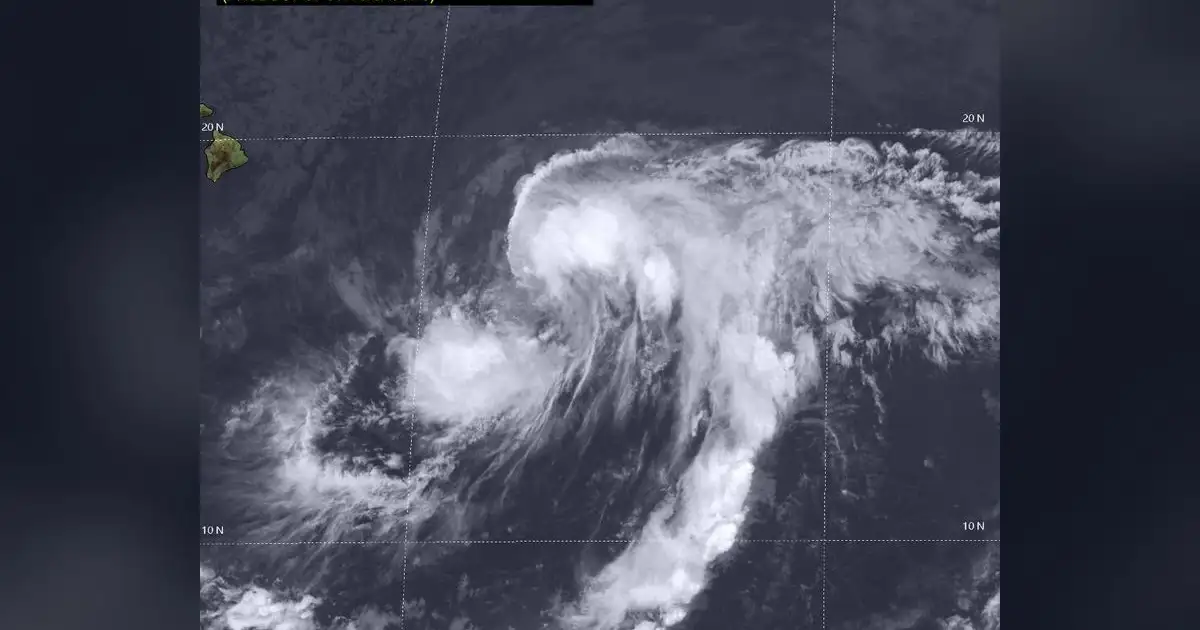
Here we are again, staring down the barrel of another hurricane. Just like clockwork, the familiar, hollow assurances from officialdom begin. Don’t kid yourselves, Hawaii. Hurricane Lala isn’t just ‘another storm.’ It’s a Category 2 monster, packing 100 mph winds, and it’s headed straight for us. Oahu and Kauai are under Hurricane Watches right now. Forget the softened language and the cautious optimism. This storm is a direct, undeniable threat to our islands, our homes, and our way of life. Even Central Pacific Hurricane Center Director Chris Brenchley, usually a master of measured tones, isn’t sugarcoating it. He states,“Lala is a dangerous storm, and its projected track brings it dangerously close to the main Hawaiian Islands. While some weakening is possible, residents should prepare for hurricane-force winds, significant rainfall, and life-threatening surf. Do not focus on the exact track, but on the potential impacts across the region.”That’s the cold, hard truth from the people who actually track these beasts. And it’s a truth far removed from the usual PR spin.
The Illusion of Preparedness
Hawaii’s Governor held his predictable press conference. He urged residents to finalize emergency plans, declared a state of emergency – as if a piece of paper can stop a hurricane – and then delivered the standard lines:“We are urging all residents and visitors to take this threat seriously. This is not the time for complacency. Finalize your emergency plans, secure your homes, and listen to official advisories. Our state agencies are fully mobilized, and we are prepared to respond, but individual preparedness is paramount.”“Fully mobilized”? “Prepared to respond”? Those are fine words for a press release. But for ordinary Hawaiians living paycheck to paycheck, it means scrambling. It means fighting desperate crowds for the last case of water or dwindling battery supplies. It means praying their flimsy roofs, often neglected by landlords or unaffordable to repair, will hold against 100 mph winds. And while we’re doing that, the Hawaii Tourism Authority is busy trying to manage “visitor expectations.” Let’s cut the pleasantries and the PR spin. We’ve seen this tragic play unfold countless times.
Who Really Pays When the Storm Hits?
The state is bracing for “hundreds of millions of dollars” in economic losses, a tidy, round number for their spreadsheets and budget forecasts. But let’s get real: who actually absorbs that hit? It’s certainly not the monolithic resort chains. They’re insulated by comprehensive insurance policies and deep corporate backing. While the Hawaii Tourism Authority frets about a reported 20% drop in bookings – which is indeed significant – that’s direct cash ripped out of local pockets, not corporate coffers. It’s the mom-and-pop shop owner, already struggling, who watches their meager revenue vanish overnight. It’s the hotel worker, living paycheck to paycheck, whose shifts get abruptly cut, leaving them scrambling to feed their families. It’s the local family, already burdened, facing exorbitant insurance premiums that skyrocket after every “state of emergency,” if they can even get coverage. We heard the exact same hollow rhetoric after Iniki in ’92, a storm that caused a staggering $3.1 billion in damages (adjusted for inflation). We saw it again with Lane in 2018, which brought historic, devastating flooding. So I ask you, what, truly, is different this time for the average Hawaiian?The Red Marker: More Talk, Less Action
Here’s the cynical, uncomfortable reality that nobody in power wants to print, much less address: The official “preparedness” narrative is nothing more than a carefully choreographed performance. It’s about maintaining the illusion of control, protecting the gilded tourism brand, and safeguarding corporate assets. It is not about fundamentally changing the systemic vulnerability of our local communities. When Hawaii’s Governor talks about “lessons learned,” he’s talking about refining communication protocols or streamlining aid applications. He is not investing in a truly resilient infrastructure for every resident, nor empowering communities to withstand these inevitable blows. The billions lost are always, always recouped by the powerful, by the corporations and their political allies. Meanwhile, the average family is left to pick up the shattered pieces, often with meager resources and even less help. This insidious cycle continues because the real money isn’t in genuine prevention for the masses; it’s in lucrative recovery contracts and the perpetuation of a fragile, manufactured illusion of paradise.Your Life, Your Responsibility
So, don’t wait for the state to ride in on a white horse to save you. They’ll show up eventually, yes, likely with cameras rolling for the photo ops. But right now, your survival is in your hands. You secure your home. Gather your 14-day supply of food and water – enough to truly sustain your family. Plan your evacuation routes, not just mentally, but physically. Fuel your car. Get cash. When the wind howls like a banshee and the power grid inevitably collapses, it’s your preparedness, your foresight, your grit that will matter. Not the Governor’s latest press release or the empty promises of aid. This isn’t a drill, Hawaii. Hurricane Lala is here, bearing down on us. For all intents and purposes, we’re on our own.Source: Google News