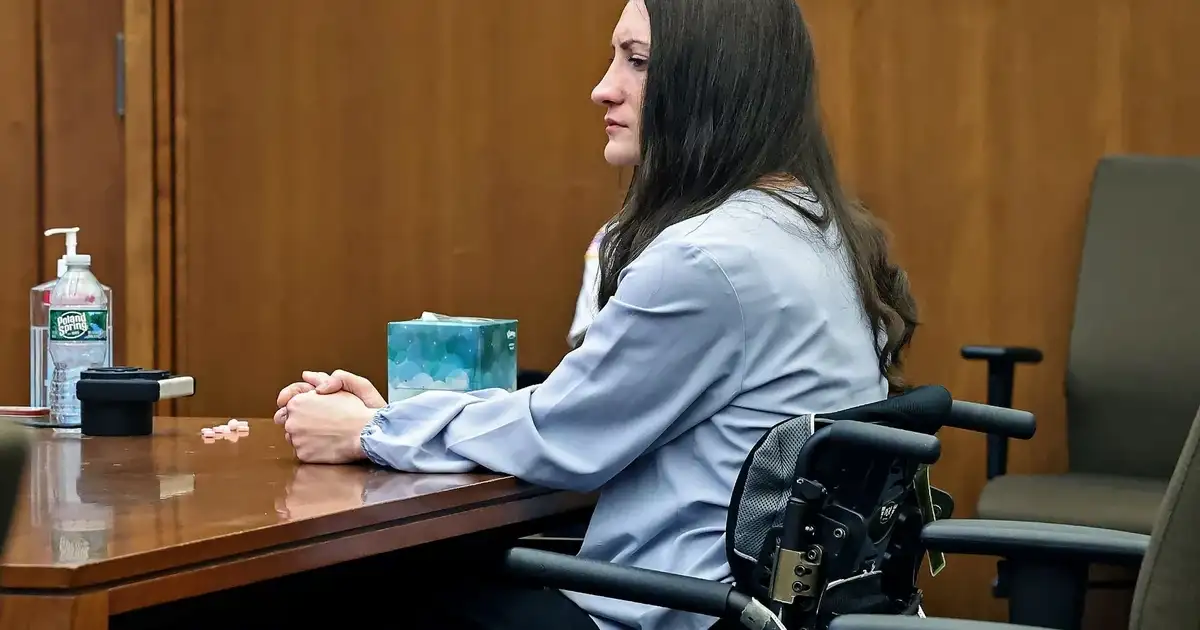

Jury Deadlocked in Lindsay Clancy Trial as Justice Teeters on the Edge of a Mistrial
After two years of legal battles, the Lindsay Clancy case remains unresolved. The jury is deadlocked, threatening to derail the pursuit of accountability in a case that exposes deep flaws in how mental health is handled in court.
The Heartbreaking Case That Has Shaken a Nation
In January 2023, Lindsay Clancy, a registered nurse, murdered her three young children. Prosecutors argue she planned the killings, insisting her mental health history doesn’t excuse her actions. They see her as fully responsible, capable of understanding her deeds.

Defense attorneys counter that postpartum depression and psychosis shattered her mind, making her incapable of forming intent. The jury must decide if she’s a cold murderer or a woman overwhelmed by mental illness.
The Courtroom Standoff: Deadlock and the Last-Chance Instruction
For 48 hours, jurors have struggled with their verdict. Judge Susan Sullivan issued a “dynamite charge,” urging them to re-examine the evidence and focus on facts over feelings. The divide is stark: some see a killer, others a woman broken by her mental state.
“Jurors, I urge you to look at the evidence anew and decide based on the facts, not on feelings or uncertainty,” she said.
This deadlock highlights a justice system ill-equipped to handle cases involving mental health. The outcome could be a mistrial, leaving Clancy potentially free or facing a new trial. Either way, the delay deepens community pain and prolongs trauma.
History Shows the Path Forward—Or Does It?
Deadlocks often lead to retrials or plea deals. But this case underscores America’s ongoing struggle: how do we treat mental illness within our justice system? If found insane, Clancy might face indefinite confinement. If responsible, a retrial could reopen wounds.
The Real Villain: A System That Fails the Mentally Ill
The true issue isn’t Lindsay Clancy. It’s a system unprepared for the complexities of mental health defenses. The deadlock reveals how we ask citizens to judge the unjudgeable—sanity, perception, intent.
Victims’ families suffer the most, caught in a legal limbo that offers no clear answers. Society’s failure lies in its inability to balance mental health and accountability, leaving everyone in uncertainty.
The Broader Fight Over Justice and Mental Health
This case reflects a national debate: should we punish Clancy or recognize her mental illness? It’s a societal crossroads that touches every courtroom and community. The deadlock signals a system ill-equipped to handle this delicate issue.
The Fight for Justice Continues
Expect a retrial and appeals. Expect heartbreak. But also expect this case to spark a larger conversation about mental health in justice. It forces us to confront a harsh truth: mental illness can be as deadly as malice, and our system must adapt.
Clancy’s story isn’t over. The deadlock is a wake-up call—either reform mental health treatment in court or continue to leave victims and the accused in limbo. Justice demands facing uncomfortable truths, no matter how difficult.
The question remains: how long will we dodge the truth before finally confronting it?
Photo: Wikimedia Commons (query: Clancy)
Source: Google News