
Lindsay Clancy’s Mental Breakdown: A Systemic Failure That Could Cost More Than Just Her Life
On a cold January morning in 2023, a mother’s world shattered—literally. Lindsay Clancy, a postpartum therapist, ended the lives of her three young children in a tragedy that stunned a nation and laid bare the terrifying cracks in our mental health and justice systems. But what if this wasn’t just about one woman’s descent into darkness? What if her story exposes a society unprepared to prevent such horrors before they happen?
The Family Tragedy That Revealed a Flawed System
In her Duxbury home, Lindsay—age 32—committed an act so unimaginable that it seemed almost surreal: she murdered her three children—Cora, 3; Dawson, 2; and Callan, just five months old. The image of a mother, trained to nurture and heal, turning into a figure of horror, raises urgent questions. Was she a monster—or a victim of her own mind unraveling under the relentless pressure of postpartum psychosis?

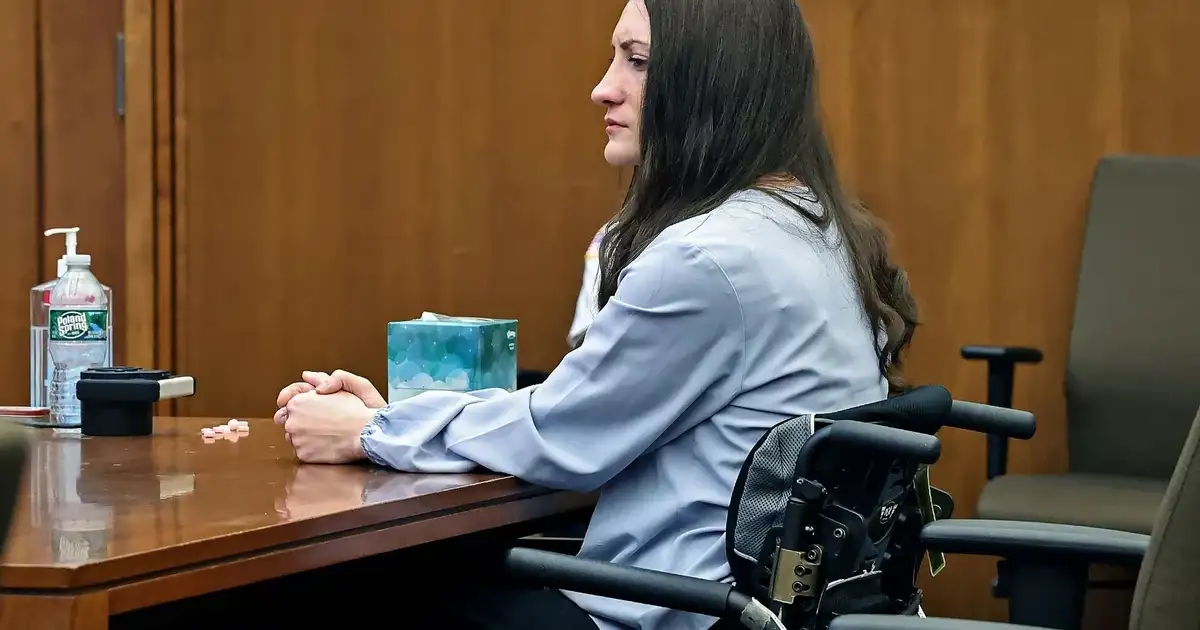
The legal saga that followed was supposed to clarify her culpability. Instead, it ended in a deadlock—jurors couldn’t agree whether she was sane or insane at the time. The judge declared a mistrial last week, leaving her fate hanging. Now, Clancy is under constant suicide watch. Her lawyer, Mark Bederow, admits he worries about her every day. But what does that reveal about the system that failed her—and her children?
Why Is She Still Alive and Under Guard?
Clancy’s placement on 24/7 suicide watch isn’t a sign of her innocence; it’s a stark indicator of how our institutions handle women pushed to the brink. It’s a desperate attempt to conceal a deeper failure: the failure to intervene before her mental health spiraled into tragedy.
Her history of postpartum depression and psychosis isn’t news to anyone involved. These conditions aren’t just words—they’re real, dangerous, and often deadly. Yet, instead of being shielded or treated, Clancy was thrown into a legal system that reduces her mental state to a binary: guilty or innocent. Her cries for help were ignored or overlooked, replaced by courtroom drama and legal labels.
Cracks in Our Justice and Mental Health Frameworks
This case exposes a brutal truth: our system is woefully unprepared for women like Lindsay Clancy. Instead of early intervention, comprehensive support, or thorough psychiatric evaluations, she was judged in a courtroom—where guilt often trumps understanding. The mistrial underscores this failure. Jurors couldn’t reach a verdict about her mental state—highlighting how fractured and ill-equipped the system is to handle complex cases involving mental illness.
If she’s deemed not responsible, she’s free; if responsible, she faces punishment. But neither outcome truly considers her suffering—a woman in the grip of postpartum psychosis, whose illness made her act beyond her control.
What Comes Next? More Questions Than Answers
Legal experts warn that her case could go in multiple directions. She might face a second trial, or be civilly committed—confined to a psychiatric facility indefinitely. But the core question remains: how did we allow a woman with a documented history of postpartum psychosis to reach this point? How many warning signs were missed?
Her mental health was a ticking time bomb—yet the system failed to defuse it. Her lawyer’s concern—“I worry about her every day”—is a painful admission that she’s more a victim of systemic neglect than a criminal. Will society finally confront its shortcomings, or continue to treat mental health crises as legal problems, not medical emergencies?
Systemic Failures That Cost Innocent Lives
Clancy’s tragedy isn’t isolated. It’s a mirror reflecting a society that neglects postpartum mental health. The CDC reports that postpartum depression affects one in seven women. Postpartum psychosis, though rare, is often fatal if ignored or mishandled. Yet, in the rush to prosecute, the system tends to brand women like Clancy as monsters, not victims.
The real tragedy? A mother pushed past her breaking point without adequate support, with no safety net to catch her. Instead of treatment, she was judged. Instead of help, she was condemned. Now, her children are gone forever, and her life hangs in the balance.
The Outcry and the Urgent Need for Change
Social media erupts with outrage. Reddit threads and Twitter hashtags demand accountability. Why wasn’t she hospitalized or monitored more closely? Why did the system wait until it was too late? The answer is brutal—funding shortages, stigma, and a woefully inadequate mental health infrastructure.
Dr. Emily Harper, a forensic psychiatrist, warns that placing Clancy on suicide watch is merely a Band-Aid on a bleeding wound. “This is a critical safety measure, yes. But it also obscures the systemic failures that allowed her to slip through the cracks,” she says. “We’re not doing enough to prevent these tragedies before they happen.”
The Road Ahead: Justice or Cover-Up?
What happens to Lindsay Clancy now? The legal process is far from over. Her mental health will be scrutinized, and her ultimate fate may depend on whether she’s deemed responsible or incompetent. But more fundamentally, this case raises a haunting question: how many women like her are lost in the cracks of a broken system? How many more children will die because society refuses to prioritize mental health over courtroom theatrics?
Her case should serve as a wake-up call. We cannot keep punishing women for mental health crises. We cannot pretend postpartum psychosis is an anomaly. It’s a ticking time bomb—and Lindsay Clancy’s story is just the latest explosion.
Justice or Cover-Up? The Final Reflection
Her lawyer’s words—“I worry about her every day”—are more than just concern for Lindsay. They reveal a system that’s failing every mother, every child, and every family torn apart by mental illness. It’s time to ask: are we truly seeking justice, or merely covering up the uncomfortable truths?
As long as mental health remains a taboo subject in our courts, women like Clancy will continue to fall through the cracks. And the toll—both literal and metaphorical—will only grow. We need a reckoning. Otherwise, more innocent lives will be sacrificed on the altar of a broken system.
Source: Google News