

In a move that feels more like a calculated power grab than a judicial decision, the courts have handed Donald Trump exactly what he’s been seeking—a nationwide green light to dismantle mail-in voting and suppress Democratic turnout. This isn’t some abstract legal victory; it’s a strategic assault on the very foundation of American democracy designed to tilt the electoral playing field in favor of the GOP.
Legal Rulings Reshape the Electoral Landscape
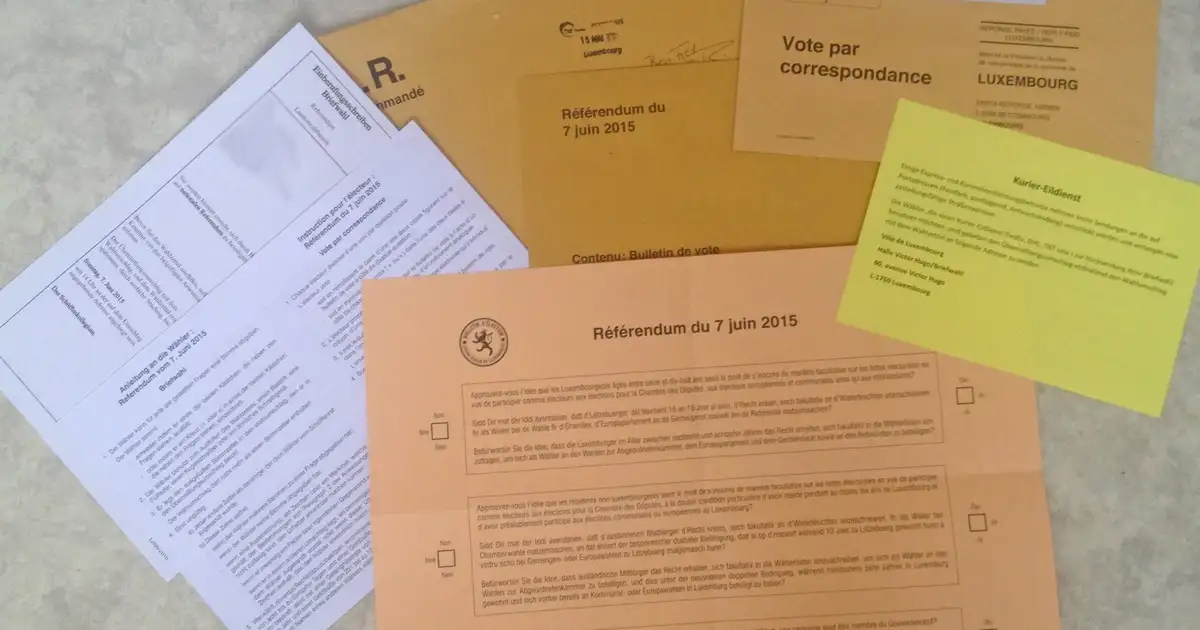
Over the past 48 hours, judicial decisions across the country have systematically chipped away at voting access, especially targeting mail-in ballots—an electoral lifeline for millions of Democratic-leaning voters. These rulings do not happen in a vacuum; they are the result of a deliberate, coordinated effort to impose stricter voting laws in key battleground states, fundamentally altering the electoral calculus. In Texas, the Fifth Circuit upheld a GOP-backed law that severely limits the use of drop boxes and mandates tighter ID requirements for absentee ballots. The message is unmistakable: fewer drop boxes mean fewer ballots, especially in urban centers where minorities, seniors, and working-class voters rely heavily on mail-in voting. With these restrictions, Texas effectively closes a crucial door for millions of voters who have historically leaned Democratic. Meanwhile, in Pennsylvania, an appellate court reversed a prior decision that sought to loosen mail-in voting rules, instead endorsing tighter restrictions. This shift signals a clear judicial endorsement of the narrative that mail voting is inherently vulnerable to fraud—despite repeated, conclusive evidence to the contrary. It’s a political narrative masquerading as legal reasoning, designed to justify disenfranchisement. Georgia’s Supreme Court recently upheld new voting restrictions, including shortened deadlines for requesting absentee ballots and enhanced ID requirements. These measures are cloaked in the language of “election security,” but anyone paying attention knows they’re aimed at suppressing Democratic voters—particularly minorities and urban residents who favor mail-in ballots.The Political Strategy: Suppression as Power
Let’s be blunt: these rulings are not about protecting democracy—they’re about consolidating power. Trump and his allies see mail-in voting as the Achilles’ heel of their opponents. In 2020, approximately 65% of Democratic voters cast ballots by mail, compared to only 35% of Republicans. That gap is a threat to their ambitions, and they’re determined to close it. By restricting mail-in voting, Trump’s legal and political teams are engineering a partisan advantage. Less mail voting means fewer Democratic votes—particularly in urban and minority communities—giving Republicans a significant edge in tight races. This is classic voter suppression dressed in the guise of “election security,” and the courts have just handed them a blank check to pursue this strategy. The implications are staggering. In battleground states like Texas, Georgia, and Pennsylvania—where mail-in voting has historically favored Democrats—these restrictions could eliminate millions of ballots. That’s not speculation; it’s a reality backed by data. The Brennan Center reports that mail-in voter fraud is “exceedingly rare,” yet the push to restrict it continues unabated. The real goal isn’t security; it’s political dominance. And this isn’t just a short-term tactic. Trump’s team is laying the groundwork for a new voting landscape—one that favors the GOP for years to come. Judicial approval of these restrictions signals a seismic shift in voting rights, one that marginalizes Democratic-leaning voters and entrenches Republican control.The Voter Suppression Playbook: A Long-Standing Strategy
This isn’t a new game. For over a decade, Republican-led states have enacted laws claiming they’re safeguarding elections from fraud. Courts have struck down many of these laws, citing lack of evidence. Now, however, the tide is turning. Recent rulings suggest a new era—more restrictions, more judicial backing, and less access for ordinary voters. This is a dangerous precedent. If courts continue rubber-stamping these restrictions, voting could soon become a privilege reserved for the well-connected, suburban conservatives, and the GOP base—effectively transforming democracy into an exclusive club. The myth that mail-in ballots are riddled with fraud has been debunked repeatedly, yet courts are now cementing that falsehood into legal doctrine. Make no mistake: the real objective isn’t “security.” It’s political control. Trump’s ultimate goal is to entrench a voting system that keeps him and his allies in power—regardless of the will of the people. This isn’t about safeguarding democracy; it’s about dismantling it from within.“These rulings reaffirm the importance of secure, fair elections,”Trump’s legal team claims. But the truth is, these restrictions aren’t about fairness—they’re about control. Control over who votes and who is silenced.
The Erosion of Democratic Principles
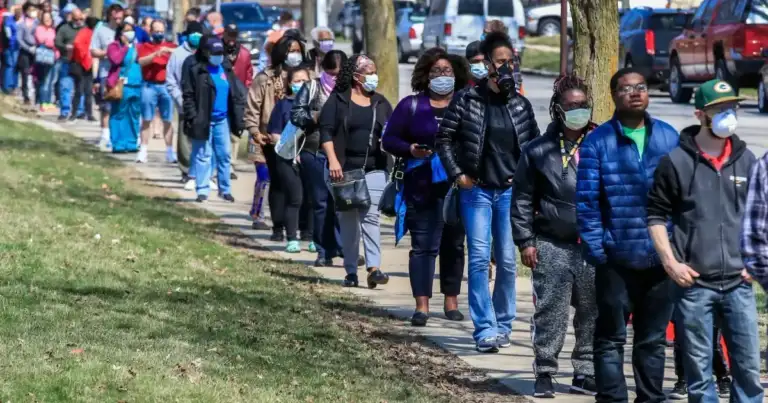
What does this mean for ordinary voters? Fewer opportunities to participate, particularly in Democratic strongholds. It’s a systematic effort to silence minorities, seniors, and urban residents—those who oppose Trump and are most likely to vote mail-in. In states like Texas, Georgia, and Pennsylvania, where mail-in voting is often a lifeline for marginalized communities, these restrictions threaten to wipe out millions of ballots. The Brennan Center’s research confirms that mail-in voter fraud remains “exceedingly rare,” yet the push to restrict it persists. The courts are increasingly acting as gatekeepers—not for fairness, but for Trump’s vision of “election integrity,” which is increasingly a euphemism for voter suppression. How long before these restrictions become the new norm? How many votes will be lost before courts recognize they are eroding the very fabric of democracy? Looking ahead, expect legal battles to intensify. States like Texas, Georgia, and Pennsylvania will be at the forefront, pushing for even more restrictive voting laws. The Supreme Court, now tilted in Trump’s favor, could become the ultimate arbiter—cementing a GOP advantage that could last well into the next decade.Who Gains, Who Loses?
The winners are obvious: the GOP, wealthy donors, and political elites eager to maintain dominance at all costs. The losers? The American people—those who believe elections should be fair, accessible, and representative. Republicans have long turned voter suppression into a strategic weapon, and with judicial backing, they’re elevating it into a formal legal doctrine. It’s no longer just politics; it’s a judicial endorsement of disenfranchisement. Democrats are fighting valiantly to defend voting rights, but the judiciary’s tilt toward Trump’s interests makes their task increasingly uphill. This isn’t a partisan issue alone; it’s about whether America will remain a democracy or become a rigged game designed to favor the few at the expense of the many.“Restricting mail-in voting is a blatant attempt to suppress votes and tilt the playing field,”Elizabeth Warren warned. She’s right—yet the courts have now sealed that reality into law.
The Road Ahead: A Fragile Democracy on the Brink
The recent court rulings are a clear sign: Trump’s long-term plan is unfolding. They pave the way for a future where voting becomes more difficult, restrictions tighten, and turnout suffers—especially among Democratic-leaning voters. This is no accident; it’s a calculated strategy aimed at cementing Republican dominance in critical states that will decide the 2026 midterms and beyond. The question is: how will Americans respond? Will they accept this new reality, or will they rise up and fight back? One thing is certain—Trump’s influence over election laws is undeniable, and the judiciary is now his most powerful tool. This isn’t just a game of legal chess; it’s a full-blown power grab. If voters remain passive, the game is already over. Democracy is under attack, and the clock is ticking. The next move is yours—stand up, push back, and refuse to let Trump and his court allies rewrite the rules of American politics without resistance. The future of democracy depends on it.Source: Google News