

NBC’s Fortress Fix: Security Overkill or Essential Shield in Hollywood’s New Reality?
Hollywood’s biggest stage just got a lot harder to access — and that’s no accident. NBC’s recent security overhaul isn’t just a precaution; it’s a bold statement that the industry’s glamour days of open access are fading fast. But as the network transforms its studios into what feels like a militarized zone, the question isn’t just about safety — it’s about what Hollywood is willing to sacrifice in its quest for security.The Break-In That Shook Tinseltown
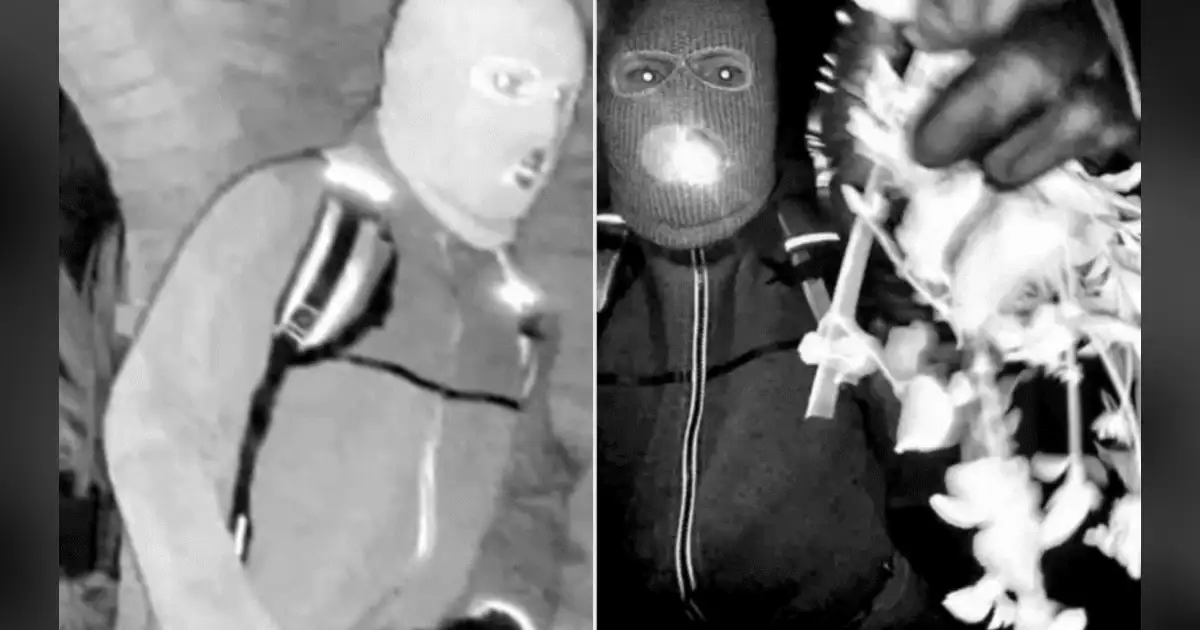
On September 12, 2026, the familiar calm of NBC’s nightly news was shattered. Nancy Guthrie — a trusted face and veteran entertainment correspondent — was caught in a harrowing breach. An intruder, a disgruntled former employee with a troubling harassment record, stormed her set, forcing a broadcast shutdown and igniting alarm across the industry. The intruder was quickly apprehended, but the damage was done. Sources close to the incident reveal Guthrie was shaken but unharmed, yet her ordeal laid bare a glaring vulnerability: a security system that failed to prevent a known threat from walking onto the set. It’s a stark reminder that in an era where digital and physical threats collide, no one is truly safe — not even in the heart of Hollywood’s most secure studios. This breach ignited headlines nationwide and prompted Hollywood insiders to ask: if NBC’s security can be bypassed by a disgruntled ex-employee, what does that say about the safety of other media giants? Are we increasingly vulnerable in a climate where threats against celebrities and media figures are no longer tabloid fodder but very real dangers?Building a Fortress: NBC’s Security Makeover — Necessary or Overreach?
NBC’s response? A sweeping, military-grade security overhaul. Internal memos reveal plans for reinforced fences, biometric access control, AI threat detection, and armed guards patrolling during broadcasts and high-profile events. The message is clear: Hollywood’s biggest network is bracing for war against vulnerability. The new measures include: – Heavy-duty fences and biometric checkpoints at NBC’s Los Angeles and New York studios. – More rigorous background checks—think CIA-level scrutiny. – Metal detectors, AI threat sensors, and facial recognition at every entry point. – Armed security personnel stationed throughout the premises. – Cybersecurity upgrades to fend off hacking attempts and data breaches. This isn’t just about safety; it’s a statement of dominance. NBC wants to project an image of impregnable strength, signaling that Hollywood’s crown jewel is now untouchable. But at what cost? Are we trading the industry’s legendary openness for a fortress mentality that risks suffocating spontaneity?The Thin Line Between Security and Suppression
There’s a darker side to this security binge. While protecting talent is non-negotiable, critics argue that the move toward fortress-like studios could turn Hollywood into a gilded cage. When every interview, every appearance, is scrutinized by layers of security, does the magic of Hollywood — its unpredictability, its raw authenticity — not start to evaporate? Imagine the thrill of an unplanned joke or a spontaneous reaction vanishing behind metal detectors and surveillance cameras. The industry’s charm has always been its chaos, its ability to surprise. But if talent feels like they’re walking through a high-security checkpoint every time they step onto set, will they still be able to let their guard down? Some insiders warn that this shift breeds a climate of fear, eroding Hollywood’s freewheeling spirit. Yet, the industry’s threat landscape has undeniably changed. Threats from stalkers, disgruntled fans, and even former employees are no longer rare or theoretical. Guthrie’s scare was a wake-up call — a stark reminder that security protocols must evolve.“In today’s climate, safety has to come first,”a Hollywood security expert told me.
“Fortress-like measures are becoming the norm, especially for high-profile media outlets.”But at what point does security tip into censorship?
What’s Next? Hollywood’s Security Arms Race
NBC’s bold move sets a precedent. Other networks and studios are already following suit, adopting tighter security measures that resemble military protocols more than studio standards. The message? Open access is a thing of the past. The upcoming Emmy Awards will feature restricted access, tighter screenings, and more surveillance than ever before. It’s a clear signal: Hollywood’s golden age of spontaneous glamour is giving way to an era of calculated caution. But here’s the irony: this security arms race could backfire. Excessive barriers might smother the very spontaneity that fuels Hollywood’s allure. The industry’s charm lies in its chaos — the accidental joke, the off-script moment, the genuine reaction. If every interaction feels like a covert operation, what happens to the magic of celebrity? And yet, threats continue to evolve. Guthrie’s intruder was caught, but how many more are lurking just beyond the security perimeter? Will beefed-up defenses truly prevent future incidents, or will they simply breed more paranoia, more control, and less authenticity?My Take: Protect Wisely, Don’t Paralyze
Let’s be clear: safety is non-negotiable. But security must be intelligent, proportionate, and preserve the essence of Hollywood’s spontaneity. NBC’s fortress walls are understandable, even necessary, after Guthrie’s scare. But if this trend spirals into an unbreakable cage, Hollywood risks losing its soul — its openness, its unpredictability, its magic. This moment serves as a wake-up call: Hollywood must strike a delicate balance. Keep the threats at bay without turning every star into a prisoner behind security gates. Otherwise, we risk transforming Hollywood into a sanitized, sterile version of itself — devoid of the chaos that makes it compelling. The question remains: how much security is enough? When does it tip from protection into imprisonment? And more critically, can Hollywood safeguard its talent without suffocating its very spirit? The answer is clear: if Hollywood is to remain relevant and true to its roots, it must find a way to shield its stars without silencing them. The challenge — and the opportunity — is in building defenses that protect without paralyzing. Because, in the end, the true magic of Hollywood isn’t in its fortress walls but in its fearless, unpredictable pulse.Source: Google News