
Florida’s Deadly Oyster Outbreak: A Stark Wake-Up Call on Industry Negligence
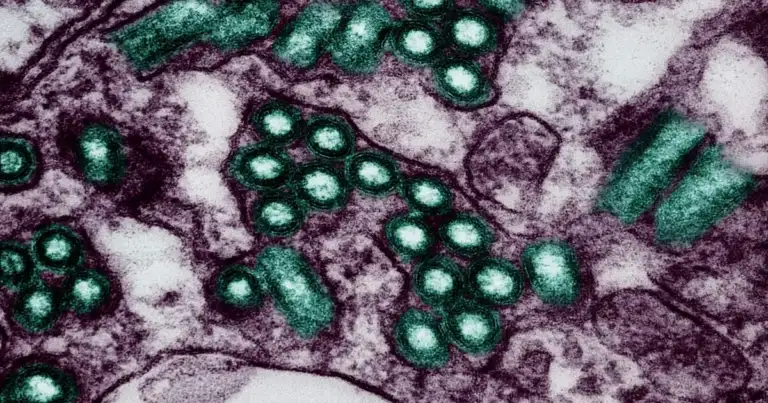
In the sweltering waters along Florida’s coast, a silent killer lurks—Vibrio vulnificus, a flesh-eating bacteria that has already claimed four lives in just two weeks. This isn’t just a tragic coincidence; it’s a glaring indictment of an industry that continues to prioritize profit over public safety, risking lives with every raw oyster served.
The Grim Reality: Four Lives Lost to a Deadly Bacteria
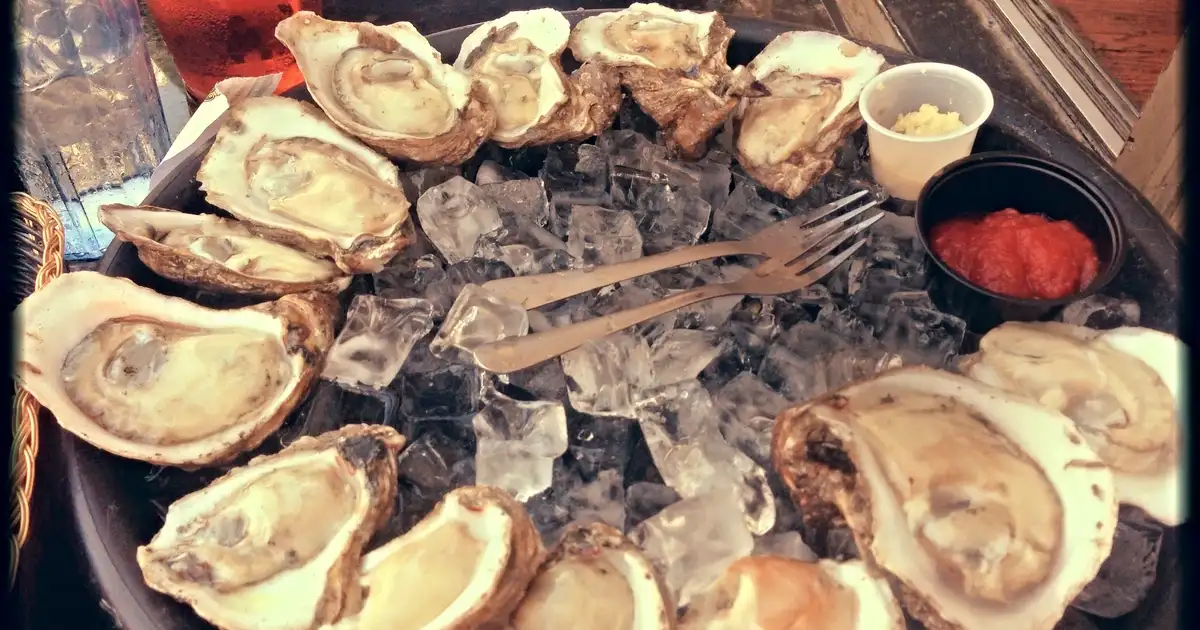
Florida has seen four fatalities from Vibrio vulnificus since early September—victims from Tampa, Miami, Fort Lauderdale—all with one tragic commonality: they consumed raw oysters. The latest victim, a 52-year-old Tampa resident, died just yesterday, underscoring how swiftly this bacteria can turn a seafood delicacy into a death sentence. Shockingly, no vaccine exists to combat Vibrio vulnificus. Prevention falls solely on consumers—avoid raw oysters if you’re immunocompromised, elderly, or battling underlying health issues. But should it be this way? The industry’s failure to safeguard its patrons is glaring.

The Hidden Threat of Vibrio vulnificus
This bacterium naturally inhabits warm, salty coastal waters—an environment that’s expanding due to climate change. For most people, Vibrio vulnificus remains harmless, but for vulnerable populations, it’s lethal. Necrotizing fasciitis—flesh-eating disease—is its most notorious weapon, spreading at lightning speed, often leading to amputations or death within days. Since September 1, four Floridians have died after eating oysters from different vendors, exposing a disturbing pattern: this isn’t a localized blip, it’s a statewide crisis that demands urgent action.
The Industry’s Willful Ignorance and Government’s Half-Measure Response
- Florida enforces some regulations—oysters must be stored at specified temperatures and sourced from approved waters—but these measures are clearly insufficient.
- The recent deaths reveal a catastrophic failure to enforce safety protocols. While some vendors have temporarily suspended raw oyster sales, these are mere Band-Aids on a deep wound.
- The Florida Department of Health is conducting water testing, but will this lead to meaningful reforms? Or will industry lobbyists once again water down any regulation that threatens their bottom line?
Officials are now contemplating enhanced testing and targeted warnings for high-risk groups. Yet, history shows these measures are often short-lived. Outbreaks in 2018, 2020, and now 2026 have only exposed the industry’s resilience—more profits, fewer consequences.
The Industry’s Dangerous Game and the Public’s Cost
The Florida seafood industry is a billion-dollar powerhouse. Oysters are a staple in restaurants and on farms, fueling profits while ignoring the deadly risks lurking beneath the shells. How much longer can they deny the link between rising ocean temperatures, Vibrio growth, and deadly infections? The public’s trust is eroding—consumers are cautious, some outright avoiding raw oysters. But the real question remains: how many more lives must be lost before regulators finally crack down?
The Villain in This Deadly Drama: Industry Recklessness
The real villain isn’t just bacteria—it’s the industry’s reckless complacency. They know the risks but keep pushing raw oysters onto consumers, betting on ignorance or apathy. Their mantra? “Profit over safety.” It’s a gamble that’s costing lives. Florida officials and health agencies are scrambling to catch up, but until mandatory cooking advisories and stricter harvesting controls are enforced, more lives hang in the balance. The current regulations are a joke—a smokescreen that industry lobbyists have successfully watered down.
What’s Next? Will This Outbreak Spark Lasting Change?
State officials are now considering tougher measures—mandatory warnings, rigorous water testing, perhaps even banning raw oysters during peak risk months. But will they act decisively or simply limp through another season of death and denial? Historically, outbreaks prompt temporary bans or advisories, only for the industry to lobby their way back to business as usual. This time, the fatalities should serve as a wake-up call—if lawmakers finally summon the courage to act.
Climate Change: Fueling the Deadly Rise of Vibrio
Climate change isn’t just a buzzword; it’s a deadly force making coastal waters warmer, extending oyster harvesting seasons, and exponentially increasing Vibrio bacteria’s growth. Each year, the threat intensifies. The question is: will Floridians accept this slow poison as an unavoidable part of seafood or demand real action to curb the danger?
The Bottom Line: Will Florida Protect Its People or Continue Selling Death?
This outbreak exposes a brutal truth: the greed of the seafood industry combined with government complacency is costing lives. Four dead in two weeks, and still, no comprehensive crackdown. How many more must perish before mandatory safety standards become law? The industry’s survival depends on public ignorance, but the price is paid in blood. Florida’s leaders must wake up—because if they don’t, more families will mourn, more lives will be lost, and what was once a delicacy will become a deadly gamble.
The Final Word: It’s Time to Prioritize Public Safety Over Profit
The Florida oyster industry has been operating unchecked for too long. The latest outbreak is a stark, undeniable wake-up call. Will those in power finally implement real safety standards, or continue to offer hollow promises while more lives are sacrificed? No oyster is worth risking your life—this isn’t just about seafood; it’s about human lives. The time for talk has passed. The time for decisive action is now. Florida, the choice is clear: safer seafood or more funerals.
Source: Google News