
China’s Panda Gift to Trump Is More Than Cute Faces — It’s a Diplomatic Trojan Horse
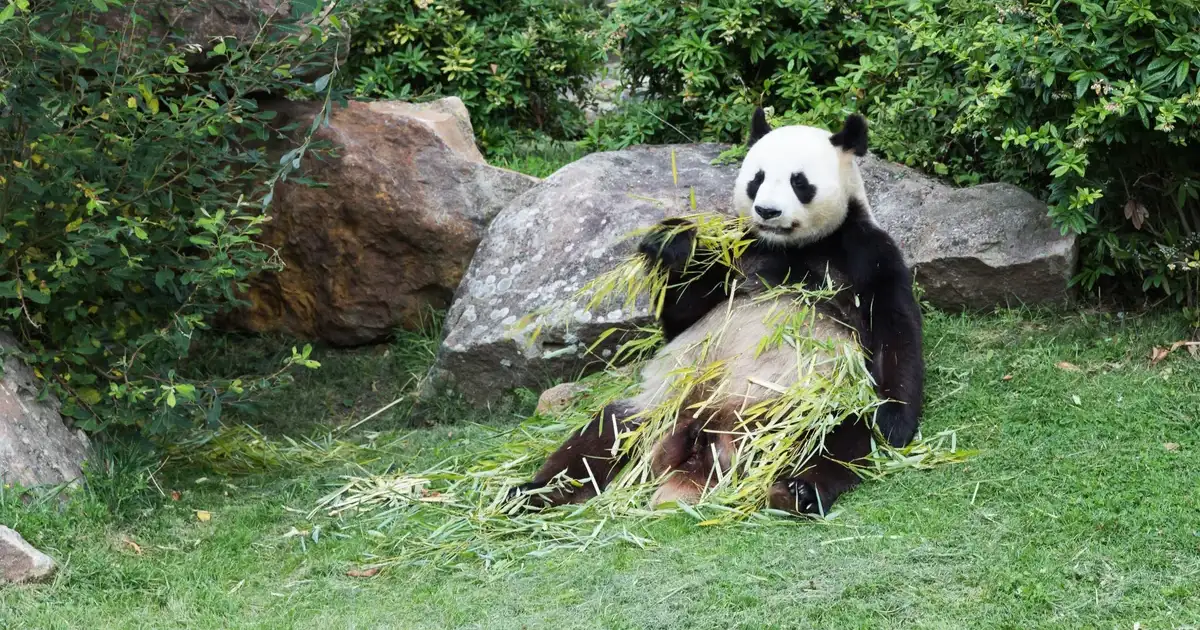
When China sends two giant pandas to Atlanta, it’s not just a charming gesture — it’s a calculated power move aimed at influencing U.S.-China relations. These cuddly creatures, Mei and Li, are more than adorable ambassadors; they serve as diplomatic tools cloaked in fur, targeting Donald Trump’s unpredictable sway.
The Panda Arrival: A High-Profile Show of Soft Power
Last Saturday, Mei and Li arrived at Atlanta International Airport amid media frenzy, surrounded by conservationists and vets. Transported in climate-controlled containers, they were paraded through a televised spectacle — a PR stunt that screams: “We’re still in control.” Behind the viral photos lies a message: China’s influence persists, now dressed in cuddly camouflage.
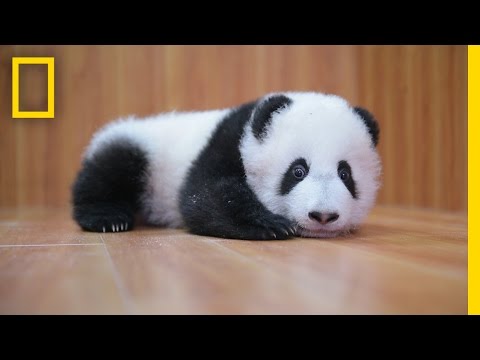
- Arrival Date: Recent weekend
- Location: Atlanta Zoo
- Names of Pandas: Mei and Li
- Purpose: Diplomatic gesture, soft power, symbol of goodwill
This isn’t coincidence. The last major panda loan to the U.S. was in 2019, amid trade tensions. Now, in a world of geopolitical turbulence, China chooses Atlanta — a city with a significant Chinese-American community and diplomatic significance — to send a message: We’re still here, and our influence remains strong.
Why Trump Gets the Gift — and Why It Matters
Here’s where it gets provocative. Sources confirm these pandas are tied directly to Trump’s influence. This isn’t about conservation; it’s a strategic move to curry favor with a leader whose unpredictability has kept U.S.-China relations tense for years.
“The gift is a diplomatic signal from China aimed at engaging Trump’s influence,”
an insider explained.
Why Trump? Because he’s a key player in American politics, capable of shaping U.S.-China diplomacy. China knows this, and they’re playing it smart.
Trump’s relationship with China has swung wildly: trade tariffs one day, soft talk the next. This panda gift? A subtle yet bold attempt to sway his sentiment — a diplomatic nudge wrapped in adorable fur. Pandas have long been China’s diplomatic currency, used to open doors and soften negotiations.
The last time China sent pandas to the U.S., it coincided with diplomatic tensions. Now, after years of trade wars and sanctions, they’re back — with a clear message: We’re still allies, but don’t forget who’s in charge.
Soft Power or Political Signal? The Real Deal Behind the Cuteness
Let’s cut through the sentimentality. These pandas are a diplomatic Trojan horse. China leverages global affection for these animals to re-open dialogue, influence perception, and reinforce its strategic goals. It’s no longer about conservation — it’s about influence, ego, and dominance.
- Symbolism: Pandas = peace, friendship, Chinese soft power
- Timing: Trump remains a GOP kingmaker, and China aims to keep that influence alive.
- Message: We’re still in control of the narrative, even if it’s wrapped in adorable fur.
Why send pandas as a “gift” targeting Trump? Because they see him as a wildcard — unpredictable and capable of shifting diplomatic tides with a tweet or veto. They want to keep his attention, influence his next moves, and remind the world that even cuddly creatures can be tools of power.
The Next Moves in the U.S.-China Chess Game
This panda move is more than a photo op. It’s a strategic chess move in influence. As the world watches, China signals: We’re still here, formidable, and willing to reach across the aisle — even with a furry paw.
Will Trump leverage this gesture for better relations? Or will it fade into political theater? Either way, the message is clear: China’s soft power is alive and wielded with a smile and a pair of black-and-white eyes.
Critics may dismiss this as “just pandas,” but they miss the point. These animals are diplomatic currency, emotional leverage in a high-stakes influence game. Behind the scenes, China’s strategists are turning cuddly into covert influence tools.
The Villain? China’s Calculated Charm Offensive
Let’s be honest: China’s manipulation of soft power is a game-changing weapon. Pandas are their tool — adorable, irresistible, and headline-grabbing. Behind the fluff, a clear political agenda lurks, and Trump — with his unpredictability — is the perfect target.
He’s the wildcard that keeps the game interesting. No matter what he says or does, those pandas remind us that China still controls the narrative — even when wrapped in fur and adorable eyes.
Final Thoughts: The Future of Soft Power in a Cold War World
This isn’t just about pandas. It’s about who controls the story. China has wielded the cuddly weapon effectively, and the U.S. still falls for it. The question is: Will Trump’s influence turn this soft power into real leverage? Or is this just the start of a new phase in a global influence game where cute is the new weapon?
One thing’s certain: In the new Cold War, the fiercest weapons are no longer tanks or missiles — they’re fluffy, black, and white, and they’re coming for your headlines.
Source: Google News