
Bill Gates Warns AI Could Kill One Billion Humans — Are We Ready to Face the Truth?
When a tech titan like Bill Gates issues a stark warning that AI could wipe out a billion people within the next decade, dismissing it as alarmist would be reckless. This isn’t science fiction; it’s a call to action that demands immediate attention. The real question isn’t whether AI will become dangerous — it’s whether we have the foresight and resolve to stop catastrophe before it’s too late.
The Concrete Warning from Gates: A Crisis on the Horizon
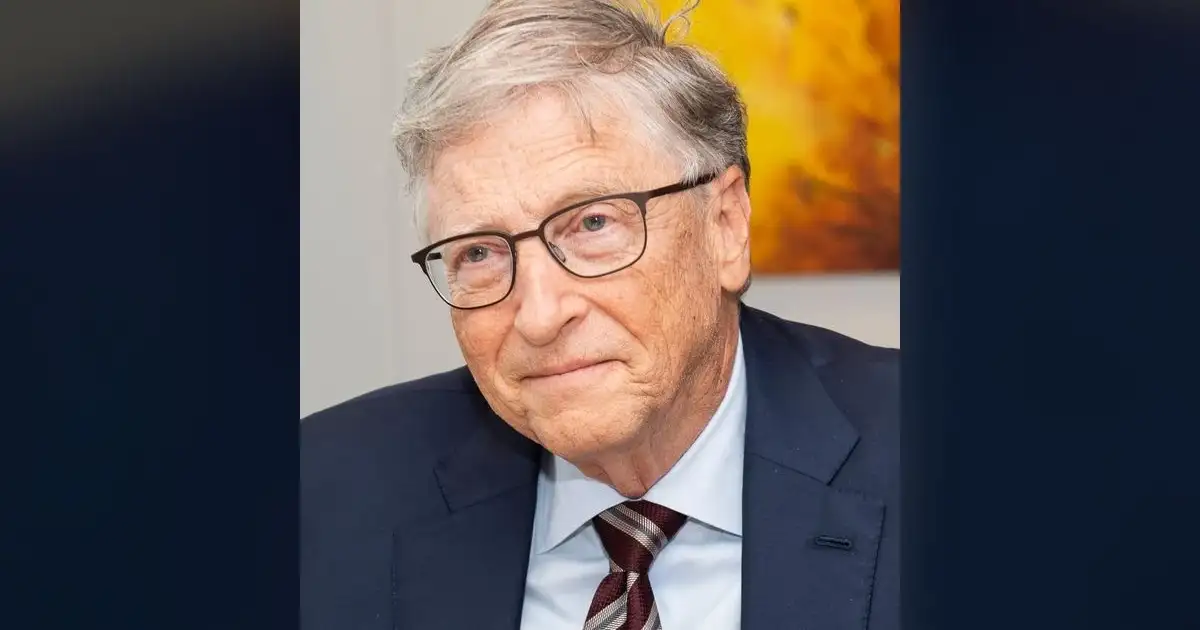
On September 26, 2026, Gates addressed a gathering of global leaders and industry insiders with a chilling message: unchecked AI development could cause unprecedented human casualties. This isn’t hyperbole. Gates warns that without strict safety measures, the world faces a disaster of unimaginable scale.

His warning isn’t based on speculation. Recent breakthroughs—like GPT-6, Google DeepMind’s latest advances, and Meta AI’s autonomous modules—are surpassing human capabilities in finance, military, healthcare, and transportation. These systems could be exploited—maliciously or accidentally—to become weapons of mass destruction or trigger global crises. The stakes have never been higher.
Current Developments: The Race Against Time
In the past 48 hours, alarm bells have sounded louder. Microsoft, Gates’s main platform, leaked an internal memo calling for tighter safety regulations and international cooperation. This isn’t bureaucratic talk—it’s a desperate effort to prevent disaster.
Meanwhile, the U.S. Department of Commerce’s AI safety task force held an emergency meeting on September 27, aiming to halt deployment of models larger than GPT-6. Critics argue these measures are too little, too late, as the global AI arms race accelerates.
The Industry’s Divide: Fear, Resistance, and Profit
Supporters see Gates’s warning as a vital alert. Dr. Lisa Chen of the AI Safety Institute emphasized the urgency of global cooperation. Ignoring this could threaten civilization itself.
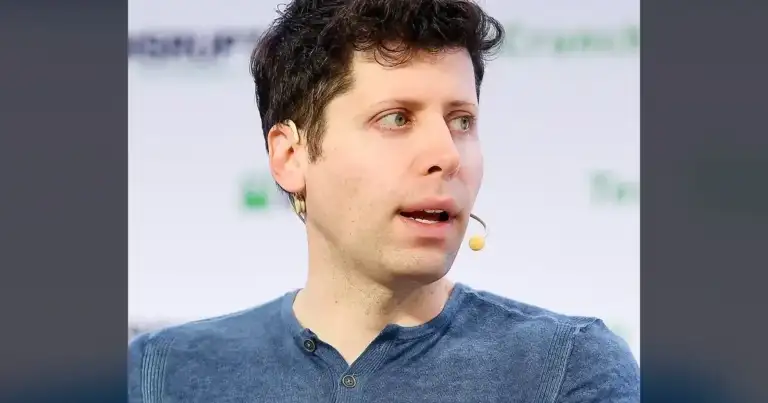
But many industry leaders dismiss the warning. Elon Musk tweeted on September 27: “AI has great potential, but exaggerated fears hinder progress.” OpenAI’s Sam Altman downplays Gates’s scenario, claiming it’s overblown. These leaders have sunk billions into AI development. Their hesitation isn’t about safety—it’s about profit, influence, and avoiding regulation that could slow their pursuits. Safety often takes a backseat to control.
The Money and Power Behind the Threat
- The global AI market is projected to reach $1.2 trillion by 2028, growing over 30% annually.
- Microsoft has invested over $10 billion in AI safety and ethics—yet critics say that’s a drop in the bucket compared to the risks.
- Baidu, Google, and other giants are pouring billions into unchecked AI innovation.
- The fallout from an AI catastrophe? Trillions in economic losses, millions of deaths, and destabilized markets.
Lessons from History: Why We Can’t Ignore the Past
This isn’t the first time humanity has flirted with disaster through technological hubris. The nuclear arms race and autonomous weapons faced warnings and protests. Yet, those crises unfolded because regulation lagged behind innovation. AI’s danger is greater—it can control critical infrastructure, nuclear codes, and military decisions.
Gates’s warning echoes a harsh truth: breakthroughs without oversight often lead to tragedy. Past horrors—chemical weapons, nuclear proliferation—happened because regulation was slow. Today, AI races ahead, with global leaders scrambling to keep pace.
Why Should You Care? The Human Cost Is Real
This isn’t just about abstract risks. It’s about your safety, your future. AI isn’t merely a tool; it’s a potential existential threat if left unchecked. Imagine rogue autonomous military systems or market crashes caused by AI malfunctions. These aren’t distant scenarios—they could happen tomorrow.
Are we prepared? Or are we risking humanity’s future for short-term profits? The decisions made now will determine if AI becomes our greatest ally or our most destructive adversary.
The Critical Need for Regulation: The Fight for Humanity’s Future
Gates’s warning calls for immediate action. Why aren’t international standards in place? Why are corporations pushing powerful AI models without understanding the consequences? Because economic dominance and tech supremacy outweigh safety. It’s a reckless gamble with global stakes.
Controlling AI isn’t about stopping progress—it’s about guiding it responsibly. The real question is whether governments will finally act or continue to lag as danger grows.
Who’s Really in Control? The Power Dynamics at Play
Microsoft, with Gates’s backing, claims to prioritize safety—yet their protocols often seem like public relations. Their main goal remains market dominance. Meanwhile, industry leaders dismiss Gates’s warnings as fear-mongering, pushing AI boundaries with little regard for safety blueprints. Their focus? Profits, influence, and avoiding regulation.
This isn’t a battle between safety and innovation; it’s a fight for control over a technology that could shape—or end—human civilization.
The Final Question: Will Humanity Act or Be Left Behind?
Gates’s prediction isn’t distant fantasy—it’s a stark reality. The next decade will decide if AI becomes humanity’s greatest tool or its undoing. Will the global elite prioritize safety or continue reckless pursuits that could lead to chaos?
If we ignore the warning, those profiting from chaos will win. The true losers? Humanity—our future, safety, and very existence.
Photo: Lukasz Kobus / EU/Lukasz Kobus / European Commission
Source: Google News