

Gypsy Rose Blanchard’s Heartfelt Tribute to Dead Partner Sparks a Media Reckoning
In a world obsessed with sensational stories, Gypsy Rose Blanchard—once the poster child for childhood abuse turned infamous murderer—has unexpectedly peeled back her carefully constructed facade. Her recent tribute to her deceased partner, Ken Urker, has sent ripples through the media landscape, forcing us to confront uncomfortable questions about vulnerability, spectacle, and the stories society chooses to tell—and sell.The Stark Reality of a Public Grief
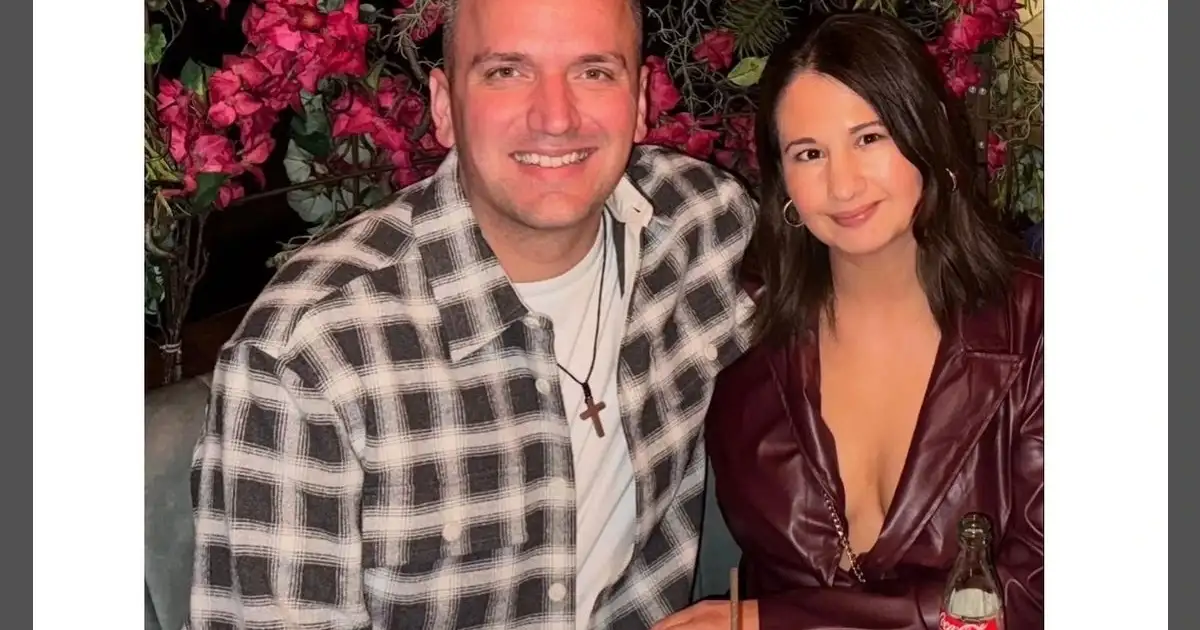
Gypsy Rose, whose name became synonymous with a chilling 2015 murder plot involving her mother, Dee Dee Blanchard, posted an emotionally raw tribute to Urker over the past 48 hours. Describing him as her “forever soulmate,” she shared heartfelt words alongside intimate photos, depicting love, loss, and raw grief. The post’s tone was unexpectedly genuine—an open window into a side of Gypsy rarely glimpsed amid her media-fueled notoriety. Sources close to her confirm that this outpouring feels authentic, aligning with her recent social media activity. While the official cause of Urker’s death remains unconfirmed, whispers of opioid abuse and addiction swirl in the background—a tragic echo of America’s ongoing overdose crisis. The public’s reaction has been a mix of shock and sympathy, with many seeing this as a rare moment of vulnerability from someone long cast as a villain. Key facts: – Gypsy’s social media post appeared within the last two days. – She describes Urker as her “forever soulmate.” – Cause of death reported as overdose; official details pending. – The tribute includes photos and heartfelt words that resonate with genuine grief. – The story has gone viral, igniting a wave of media coverage and social media commentary. Supporters argue that Gypsy is finally revealing her true self—a fragile, hurting woman who’s shed the victimhood costume. Critics, however, smell a calculated move—a strategic attempt to rewrite her narrative and garner sympathy. The truth, as always, lies somewhere in the murky middle, but what’s clear is that Gypsy’s story is now more potent than ever, reflecting society’s obsession with tragedy, addiction, and redemption.Why Does Gypsy’s Mourning Matter? The Cultural and Moral Dilemma
Gypsy’s transformation from notorious criminal to a woman expressing grief is a cultural lightning rod. Her story has been dissected in Hollywood dramatizations like Hulu’s “The Act,” dissected in podcasts, and dissected in countless articles. She’s been portrayed as both victim and villain—a mirror to society’s fascination with the sensational. But her latest post complicates this narrative. It humanizes her in ways no headline or documentary ever could. Gypsy, once vilified for her role in her mother’s murder, now appears vulnerable and authentic. That’s a seismic shift—one that forces us to confront the uncomfortable truth: society’s obsession with her story was never about justice or morality; it was about entertainment. Her public mourning could reshape perceptions. Will her fans now see her as a battered woman, a survivor deserving empathy? Or will skeptics dismiss her tears as another manipulative stunt designed to stay relevant? The answer hinges on her future actions, but her control over her narrative is undeniable—both brave and strategic. Cultural critics argue that Gypsy’s openness challenges society’s tendency to judge victims and perpetrators alike. Her story has always been a critique of media sensationalism, and now she’s wielding that critique from within. She’s not just a person; she’s a symbol of how trauma, addiction, and mental health are intertwined—and exploited. Supporters see her vulnerability as proof that she’s finally shedding her victim role and embracing her humanity. Critics warn that her newfound openness could be calculated—every tear, every word carefully curated to manipulate public perception, especially given her past notoriety.The Media’s Role in Turning Gypsy into a Cultural Spectacle
Gypsy’s case exemplifies how celebrity culture cannibalizes pain. Over the years, she has been transformed into a media commodity—an icon of victimhood, resilience, and the specter of tragedy. Her story fuels podcasts, documentaries, and social feeds, keeping her in the public eye. Now, with her partner’s overdose death, Gypsy finds herself at a crossroads. Will she deepen her narrative of vulnerability—perhaps opening doors to new media projects? Or will she retreat into silence, her story too complex, too controversial? The danger lies in her grief becoming just another spectacle for clickbait and monetization, stripping away genuine human emotion. The opioid epidemic is no stranger to Hollywood’s spotlight. It’s claimed countless lives—famous and obscure alike. Gypsy’s tribute adds a human face to these statistics, reminding us of the toll behind the headlines. But it also underscores how tragedy can be weaponized—used as a tool for fame, sympathy, or narrative control. Her emotional post, with its photos and heartfelt words, is a calculated move. She’s stepping into the role of a grieving partner—a stark departure from her previous villainous image. In a society where victimhood and redemption are often two sides of the same coin, this is a bold, perhaps risky, move.The Complex Reality Behind Gypsy’s Mourning
Gypsy’s story isn’t just about her personal pain; it’s a commentary on how society processes trauma, addiction, and mental health through the lens of celebrity. Her tribute to Urker reopens vital questions about her future in entertainment, her capacity for genuine connection, and her ongoing struggle with her past. Supporters argue that this moment humanizes her more profoundly than any documentary or headline ever could. She’s no longer merely a criminal or a victim—she’s a woman mourning a lost love. That shift could redefine her entire public image. But let’s be honest: Gypsy’s narrative has always been shaped by the media. Her pain, her love, her loss—all serve a purpose. Will this be her redemption arc? Or just another carefully managed spectacle? Her story is now more layered and complex than ever. Her grief exposes vulnerabilities long hidden, but it also raises questions about authenticity, control, and the high price of fame.Final Reflections: What’s Next for Gypsy Rose Blanchard?
Gypsy’s tribute to Ken Urker isn’t just a sad post—it’s a cultural statement. It compels us to look beyond the headlines, beyond the crime, and see the human being beneath the labels. She’s showing us that underneath the media’s villain and victim archetypes, there’s a person struggling with loss. Will her mourning shift public perception? Will it open new doors to empathy or simply deepen the spectacle? Only time will tell. But one thing is certain: Gypsy Rose Blanchard, whether she intends it or not, has become a mirror reflecting society’s uncomfortable truths about pain, addiction, and redemption. Her story is far from over. The question is: how will history remember her? As a tragic figure seeking connection or just another star riding the wave of tragedy for fame? One thing’s clear—her narrative now serves as a stark mirror to the raw realities we prefer to ignore. Gypsy Rose is finally giving us a glimpse behind the headlines. The real question is: will we recognize her as a person—flawed, vulnerable, and real—or reduce her to another sensational story?Source: Google News