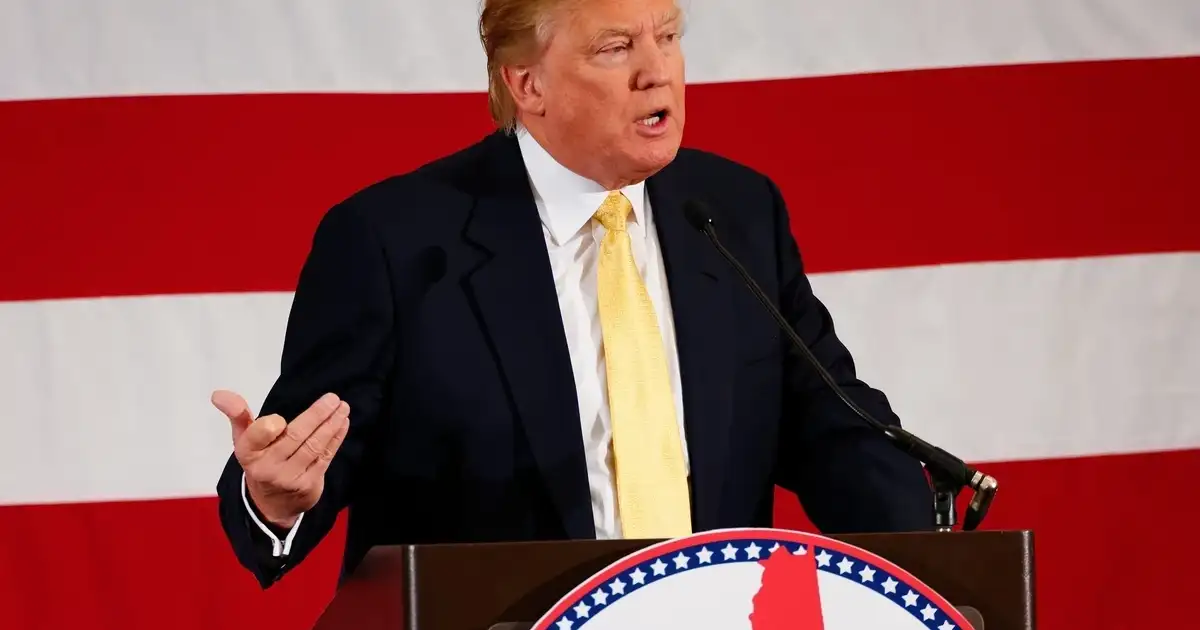

President Donald Trump’s victory lap over plummeting oil prices isn’t just hollow; it’s a stark monument to a foreign policy blunder of epic proportions. Iran’s audacious declaration of a “completely open” Strait of Hormuz doesn’t signal American triumph; it exposes a profound strategic failure, laid bare for the world to see.
The White House, in a move that strains credulity, is attempting to spin the recent dip in oil prices as a resounding success. This narrative conveniently follows Iran’s pronouncement that the critical Strait of Hormuz is now “completely open,” with Tehran asserting its readiness for “full passage.” But beneath the celebratory rhetoric, a far more unsettling reality churns.
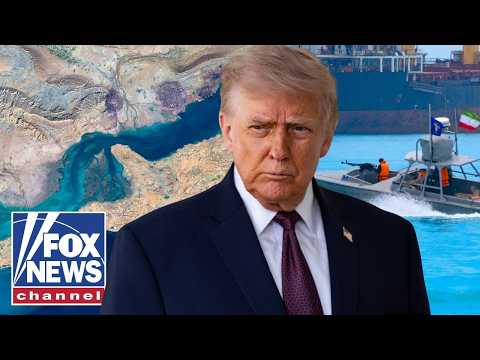
Trump’s Shaky Victory Lap: A Masterclass in Misdirection?
President Trump is reportedly reveling in this perceived win, framing the oil price drop as an indicator of robust economic health and Iran’s declaration as a capitulation. Yet, this carefully constructed narrative crumbles under even the slightest scrutiny from seasoned observers and a skeptical public alike.
The immediate public reaction has been brutal, tearing through the White House’s spin with surgical precision. Netizens, political analysts, and even some within the President’s own party are excoriating this as classic Trumpian theater – a desperate, transparent attempt to mask what was, by all accounts, a bungled blockade strategy that backfired spectacularly. Was this genuinely a concession, or merely Iran pulling back a curtain to reveal Washington’s impotence?
Critics are quick to point to the ongoing US-Iran War 2026, a conflict that has seen the Strait of Hormuz emerge as a paramount flashpoint. The notion that Iran would simply “open” this strategic artery, after weeks of intense confrontation and accusations of American aggression, raises more than just eyebrows; it provokes fundamental questions about the efficacy and even the reality of the US’s earlier pressure tactics.
Was the Strait ever truly closed by US military might, or was the entire episode a calculated charade designed to manipulate global markets and public perception? The market’s volatile reaction, first spiking, then plunging, tells a story far more complex than the White House cares to admit.
The Unvarnished Reality of Hormuz: Iran’s Geopolitical Chess Move
The Strait of Hormuz is not merely a shipping lane; it is a vital global chokepoint, through which a staggering 20% of the world’s total petroleum liquids and approximately one-third of all seaborne traded oil passes daily. Any disruption, however brief, sends immediate shockwaves through global energy markets, invariably sending prices soaring and economies reeling.
The current conflict began in earnest on February 28, 2026, when the United States and Israel launched coordinated military strikes against Iran. This conflict remains active and volatile, making Iran’s recent declaration all the more perplexing if viewed as a genuine retreat. Before this sudden “opening,” intelligence reports and shipping data, though often murky, suggested that despite US naval presence, tankers were indeed slipping through, albeit with heightened risk and cost. This perceived disruption had already contributed to significant spikes in global oil prices, impacting consumers and industries worldwide.
This “declaration” by Iran, therefore, feels less like a surrender born of American pressure and more like a calculated, strategic maneuver. It’s a move that brilliantly exposes a critical weakness in American strategy, demonstrating Iran’s enduring capacity to dictate terms and manipulate global energy flows. Far from being subdued, Tehran appears to be flexing its muscles, proving it can turn the spigot on and off at will, thereby underscoring its indispensable role in global energy security.
Public Scrutiny and Cynicism: Peeling Back the Layers of Deception
The online world, a relentless arbiter of public opinion, is emphatically not buying the official line emanating from Washington. Social media platforms are awash with accusations that this entire episode is a “scripted psyop” – a psychological operation meticulously designed to cover up a botched blockade and a strategic miscalculation. The collective distrust is palpable, reflecting a broader disillusionment with government narratives.
Even staunch MAGA boosters, typically unwavering in their support, are finding it an uphill battle to spin this as “genius 4D chess.” The sheer audacity of the claim that a sudden “opening” by Iran, following a period of unprecedented price hikes, constitutes an American victory, is proving a tough sell even to the most loyal adherents. The logical gymnastics required to reconcile these events are simply too strenuous for many to perform.
The “plunge” in oil prices, therefore, doesn’t feel like a natural market correction or a result of successful diplomacy. Instead, it carries the unmistakable scent of an engineered de-escalation, a hasty retreat after a blockade that, if it ever truly existed, backfired spectacularly. It’s a tacit admission of failure, thinly veiled by a PR offensive.
As one particularly incisive critic on X (formerly Twitter) summed it up sharply:
“Trump blockaded it for 2 weeks, oil spiked 40%, now ‘open’ and he claims win? Lmao, ayatollahs played him like a fiddle.”
This sentiment is not isolated; it resonates deeply across various platforms, indicative of a profound public distrust. People are seeing through the public relations facade, recognizing the strategic implications beyond the immediate price at the pump.
The “Blockade” That Wasn’t: A Testament to Iranian Resilience
If President Trump’s administration genuinely had the Strait of Hormuz under control, if US naval power had truly enforced a blockade, then Iran would not be in a position to “declare” anything. They would simply be complying, their hands forced by overwhelming American might. Iran’s unilateral declaration, however, suggests the opposite: that they held the power, or at least the critical leverage, all along.
Was the much-touted US naval presence a real, impenetrable blockade, or merely a leaky sieve, more symbolic than substantive? The dramatic market spikes that preceded the recent plunge offer a damning indictment. Oil prices soared when the Strait was under dispute, when the threat of closure loomed large. Now, they drop precisely when Iran “allows” passage, not when the US forces it open. This sequence of events is not just damning; it paints a vivid picture of miscalculation, overreach, and a stark lack of effective leverage from Washington.
This episode exposes the limits of conventional naval power against an adversary adept at asymmetric warfare and possessing undeniable geographic advantages. Iran’s ability to withstand, or at least appear to withstand, US pressure and then dictate the terms of de-escalation, is a profound statement on the shifting dynamics of power in the Persian Gulf.
Who Really Benefits? Beyond the Pump Price
Undoubtedly, the immediate drop in gas prices will be touted as a short-term win for American consumers. But what is the true cost of this fleeting relief, particularly to America’s long-term credibility and strategic posture in the region? This entire episode looks less like a victory and more like a massive, humiliating admission of failure. Iran, not the US, dictates the terms; they “open” what was supposedly “closed” by American force, thereby turning a supposed defeat into a potent propaganda victory.
This narrative undeniably empowers Iran, portraying them as the masters of their own destiny, capable of manipulating global markets and asserting their sovereignty even in the face of overwhelming military might. They can, quite literally, turn the global oil spigot on and off at will, a power that few nations possess.
The public discourse, fueled by a deep-seated distrust, points to even bigger, more cynical motives. Some suggest a “deep state script” at play, a pre-arranged drama designed to achieve ulterior objectives. Others hint at “oil baron payoffs,” speculating that the entire blockade was never real, but rather “pump prices theater” orchestrated to crush the competition of certain energy companies, consolidate market power, and then reap the rewards of the subsequent price drop. Such theories, while speculative, underscore the pervasive cynicism surrounding the administration’s actions.
The Persian Gulf Power Play: A Humbling Moment for American Influence
The US-Iran War continues to escalate, with the Strait of Hormuz remaining central to this volatile conflict. It is not merely a strategic choke point; it is a symbol of regional power and a battleground for influence. President Trump’s administration desperately needs to project an image of strength and decisive leadership. This incident, however, achieves the precise opposite, revealing a reactive posture, an inability to enforce its will, and a critical misjudgment of Iranian resolve.
Iran’s strategic move is a clear, unambiguous message to Washington and its regional allies: Tehran controls the flow, and it possesses the capacity to manipulate global markets to its advantage. This is not the decisive victory the White House so desperately wants to project; it is a messy, uncomfortable compromise, a de-escalation forged under duress, where Iran demonstrably held the upper hand.
What does this mean for future negotiations with Iran, particularly concerning its nuclear program and regional proxies? What does it say about America’s dwindling influence and the perceived erosion of its power in the Gulf, a region historically central to US strategic interests? The Strait of Hormuz remains a powder keg, and Iran’s latest move only confirms its enduring strategic importance and, more critically, its undeniable ability to call the shots when it matters most.
President Trump can cheer all he wants, but the cold, hard reality is far more complex and far less flattering. This is not a triumph; it is a humbling moment for American power, a stark reminder that even the most formidable military cannot always bend geopolitics to its will, especially when faced with a determined and strategically astute adversary like Iran.
Source: Google News