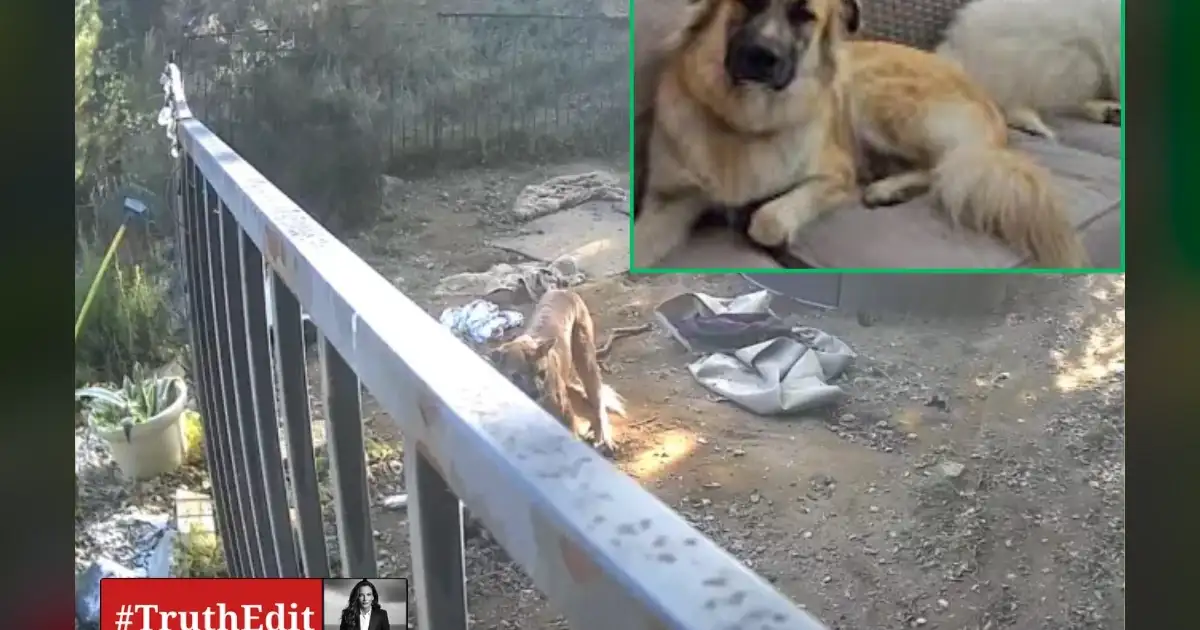

A mountain lion ripped apart two family dogs in a Placer County backyard. This isn’t just a tragic story; it’s a brutal reality check for communities pushing into wild territory.
The attack went down early Sunday, April 19, 2026, in Loomis, California. Homeowner Sarah Jenkins found her 3-year-old Siberian Husky, Kodiak, and 5-year-old Anatolian Shepherd, Atlas, dead. The California Department of Fish and Wildlife (CDFW) confirmed the incident, finding tracks and scat.

CDFW issued a public safety alert. They tell residents to secure pets and watch kids. Traps are out, but the killer cat is still loose. This is just the latest in a string of encounters hitting the region.
Are We Invading Their Turf?
The big question hanging over Placer County is simple: Are there more mountain lions, or are we just building too close? The answer cuts both ways, but the real issue is our footprint.
- Stable Numbers, But Moving In: The CDFW estimates California’s mountain lion population between 4,000 and 6,000 adults. These numbers are mostly stable. Some regions, like the Sierra Nevada foothills, even show slight increases. This is thanks to Proposition 117 from 1990. That law banned sport hunting, letting populations recover.
- Human Encroachment is Key: We are pushing into their homes. Urban development constantly expands into wildland-urban interface (WUI) zones. These are mountain lion habitats. This leaves the lions with less territory. It forces them into closer contact with us and our pets.
- Environmental Pressure: Drought and wildfires hit hard. They degrade natural habitats. They reduce prey animals like deer. This pushes mountain lions into suburban areas. They are just looking for food and water.
- More Eyes, More Reports: Everyone has a camera now. Home security systems and social media light up with every sighting. This means more reported encounters. It doesn’t always mean a huge population boom. It means we see them more often.
This isn’t about blaming the animals. It’s about facing the facts of where we choose to live. We build our homes. We bring our pets. We then act surprised when wildlife shows up.
The Price of Losing Ground
For Sarah Jenkins, the price is unbearable. She lost family members. Two loyal dogs, gone in her own backyard.
“Kodiak and Atlas were family. They were loyal, loving, and always by our side. To lose them like this, in our own backyard, is just unbearable. I just hope they catch this animal before it hurts someone else’s family.”
— Sarah Jenkins, Homeowner
Her words hit hard. They show the emotional toll on everyday people. Loomis City Councilwoman Maria Rodriguez echoed the fear.
“Our community is shaken by this. We need to find a balance that protects both our residents and the natural environment.”
— Councilwoman Maria Rodriguez, Loomis City Council
The CDFW faces a tough job. They must protect people and manage wildlife. Lt. John Miller from CDFW laid it out straight.
“We understand the community’s concern. Mountain lions are territorial and elusive, but they are also opportunistic predators. Securing pets indoors at night is the most effective deterrent.”
— Lt. John Miller, CDFW Spokesperson
They are spending thousands of dollars per incident. This includes trapping and monitoring. It’s a costly balancing act.
Online Noise vs. Real Danger
The internet, as usual, turned this tragedy into a circus. Some folks online called the attack “fake,” questioning how an Anatolian Shepherd, bred for wolves, could lose to a mountain lion. They spread cynical memes and even suggested GoFundMe scams.
This online noise misses the point entirely. The CDFW confirmed the attack. The family lost their pets. This isn’t a show. This is real life. It’s a harsh lesson for people living in the wildland-urban interface.
The “deep state lion op” theories and “Yucaipa Karens farming clicks” are just distractions. The reality is simpler. We built here. The lions were here first. Now we share the space, whether we like it or not.
The Hard Truth
This incident is a wake-up call for all of us. Placer County has seen a 15% increase in reported mountain lion encounters over the last two years. This clear trend shows a growing, undeniable conflict.
We want our suburban comforts and big backyards. But we are pushing into nature’s territory, and nature pushes back.
This isn’t just about one mountain lion; it’s a permanent shift in our landscape. We need to adapt, or we will keep paying the price.
Source: Google News