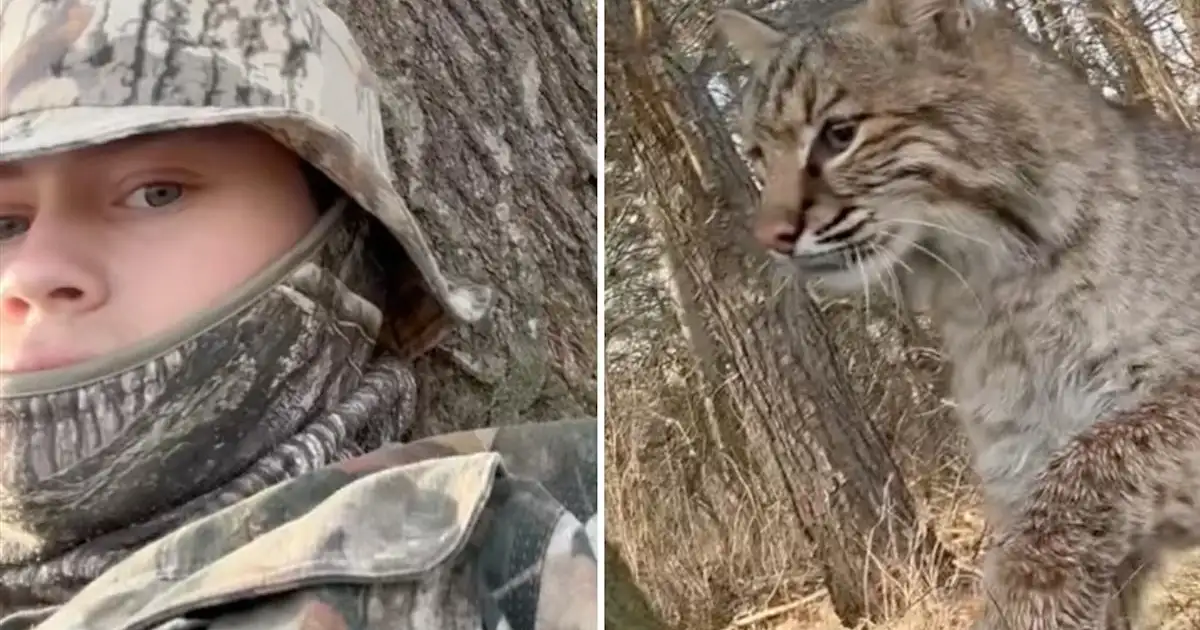

Imagine this: you’re enjoying a crisp morning in the Wisconsin woods, focused on the hunt, when suddenly, a blur of fur and teeth lunges from the undergrowth. That’s precisely what happened to a young hunter recently, not in a horror movie, but in stark, brutal reality. A bobcat attack isn’t just a terrifying story to tell around a campfire; it’s a visceral, painful reminder of the hidden dangers lurking in nature – dangers that carry serious health risks we often tragically underestimate.
This wasn’t a playful swat. While turkey hunting, this teen was mauled by a wild bobcat, an encounter that left him with wounds far more significant than mere scratches. And as a science communicator focused on health, I can tell you, the physical trauma is often just the beginning of the battle.

The Real Cost of a Wild Bite
Let’s be brutally honest: social media often trivializes serious events. You might see comments about “karma” or glib remarks like “just a love bite.” But let me be clear: a bobcat attack is absolutely no joke. These aren’t your cuddly house cats; they are efficient, wild predators. Their claws are razor-sharp, designed not for batting at toys, but for tearing through hide and muscle. Their teeth are built for crushing and puncturing, creating deep, ragged wounds that are far more insidious than they appear on the surface.
Deep puncture wounds are a medical emergency. They don’t just bleed; they can become prime breeding grounds for virulent bacteria. Think about it: a predator’s mouth is a cesspool of microbes. These injuries demand immediate, aggressive medical intervention – meticulous cleaning, powerful antibiotics, and often, surgical debridement to prevent catastrophic infections. Ignoring them is not brave; it’s reckless.
I saw one Redditor quip,
“Mauled? Looks like a love bite. Put some Neosporin on it, snowflake.”This casual dismissiveness isn’t just insensitive; it’s dangerously ignorant. Animal bites are not minor scrapes. They can lead to disfigurement, chronic pain, and even limb loss if not treated properly. The idea that a dab of antibiotic cream will fix a bobcat mauling is frankly, absurd and irresponsible.
Beyond the Scars: Zoonotic Threats
Here’s where the true terror of a wild animal attack often lies, far beyond the visible wounds: the invisible invaders. I’m talking about zoonotic diseases – illnesses transmitted from animals to humans. These are the silent enemies that can turn a physical trauma into a life-threatening crisis.
Rabies. Just hearing the word sends shivers down my spine, and for good reason. Bobcats are known carriers of this horrific virus. Rabies invades the nervous system, leading to excruciating symptoms and, if left untreated, is almost universally fatal. There is no cure once symptoms appear. This is why immediate post-exposure prophylaxis (PEP) – a series of vaccinations – isn’t just recommended; it’s a race against time, an urgent medical emergency that can literally mean the difference between life and an agonizing death.
But rabies isn’t the only lurking danger. The mouth of a wild animal is a petri dish. Bacteria like Pasteurella multocida can cause shockingly rapid and aggressive infections, turning a wound septic within hours. Then there’s tetanus, the “lockjaw” disease, caused by bacteria found in soil that can enter deep puncture wounds, leading to severe muscle spasms and respiratory failure. Any deep wound from a wild animal isn’t just a surface injury; it’s an open invitation for these deadly pathogens to enter your bloodstream.
Immediately following the attack, the Wisconsin teen’s medical team would have been grappling with urgent questions: Was the bobcat located? Could it be safely captured and tested for rabies? These aren’t just bureaucratic hurdles; they are critical public health imperatives. The answers to these questions directly determine the teen’s immediate treatment protocol and, quite literally, his chances of survival without long-term neurological damage.
Public Health on the Prowl: Why Ignorance is Dangerous
For me, this incident isn’t just a cautionary tale; it’s a blaring siren for better public health education. Anyone who ventures outdoors, whether a seasoned hunter or a casual hiker, needs to be acutely aware of the risks. Wildlife encounters are not isolated anomalies; they are increasingly common, and they demand a profound respect, coupled with unwavering caution.
The online reactions, as I’ve observed, paint a disturbing picture of widespread misunderstanding. I saw one Reddit user scoff,
“Turkey hunting without checking for predators? Natural selection at work.”This flippant, almost celebratory attitude towards someone’s trauma is not only callous but dangerously misguided. It completely disregards the agonizing medical aftermath, the very real potential for deadly disease transmission, and the foundational safety protocols that keep us alive in the wild.
We need to move beyond armchair commentary and embrace practical knowledge. So, what are the non-negotiable rules for staying safe and healthy in the wild?
- Maintain Distance: Wild animals are precisely that – wild. They are unpredictable, driven by instinct, and their personal space should be respected at all costs. Never approach or feed them.
- Report Aggression: If you observe any wild animal behaving unusually aggressively, disoriented, or overly friendly, report it immediately to local wildlife authorities. This could be a sign of rabies or other illness.
- Seek Immediate Care: Any bite or scratch from a wild animal, no matter how minor it seems, requires immediate professional medical attention. Do not hesitate.
- Vaccination: Ensure your tetanus vaccination is current. It’s a simple, effective shield against a potentially fatal bacterial infection.
The Ignorance Epidemic: Misinformation’s Bite
As a science communicator, I often find myself battling not just misinformation, but outright ignorance. The online chatter following this bobcat attack starkly illustrates a pervasive problem: a profound lack of basic knowledge about wildlife behavior and, even more critically, a dangerous underestimation of animal-borne diseases. It’s an ignorance epidemic, spreading faster than any virus, fueled by cynicism and a disregard for facts.
Can you believe some comments actually suggested the “Teen staged it for OnlyFans gore content”? This level of cynicism isn’t just absurd; it’s deeply disturbing. It trivializes a young person’s serious injury and pain, twisting a genuine trauma into a grotesque conspiracy theory. This kind of noise doesn’t just distract; it actively undermines our ability to disseminate vital health information and foster a culture of safety.
Our collective energy should be channeled into understanding prevention strategies and ensuring swift, effective medical responses. Instead, we’re often mired in the quicksand of internet sensationalism and baseless accusations. This isn’t “Karma for murdering turkeys” – a sentiment I’ve seen far too often. This is a stark, painful wake-up call. It’s about recognizing and respecting nature’s formidable boundaries, and ultimately, it’s about safeguarding human health in a world where our paths increasingly cross with the wild.
A Call to Action: Respect the Wild, Protect Yourselves
We need to move beyond sensational headlines and fleeting shock. What we desperately need is actionable advice, robust public health campaigns, and a fundamental shift in how we perceive our interactions with the natural world. This isn’t just for hunters; it’s for hikers, campers, bird watchers, and anyone who steps foot outside their urban bubble.
The medical community, myself included, sees the devastating consequences of these encounters firsthand. We understand the complex interplay of trauma, infection, and psychological impact. It’s time for the general public to truly grasp the gravity of these risks. A bobcat mauling isn’t just a bad day; it’s a severe, multifaceted trauma with potentially life-altering health dangers.
Let this Wisconsin teen’s harrowing experience be more than just a fleeting news story. Let it be a visceral, unforgettable lesson. Wildlife is undeniably beautiful, a vital part of our ecosystem, but it is also inherently wild, unpredictable, and capable of inflicting deadly harm. As you step into their domain, remember this: preparation isn’t paranoia, and information isn’t fear-mongering. It’s about survival. So, be prepared, be informed, and for goodness sake, stay safe out there. Your life, and your health, depend on it.
Source: Google News