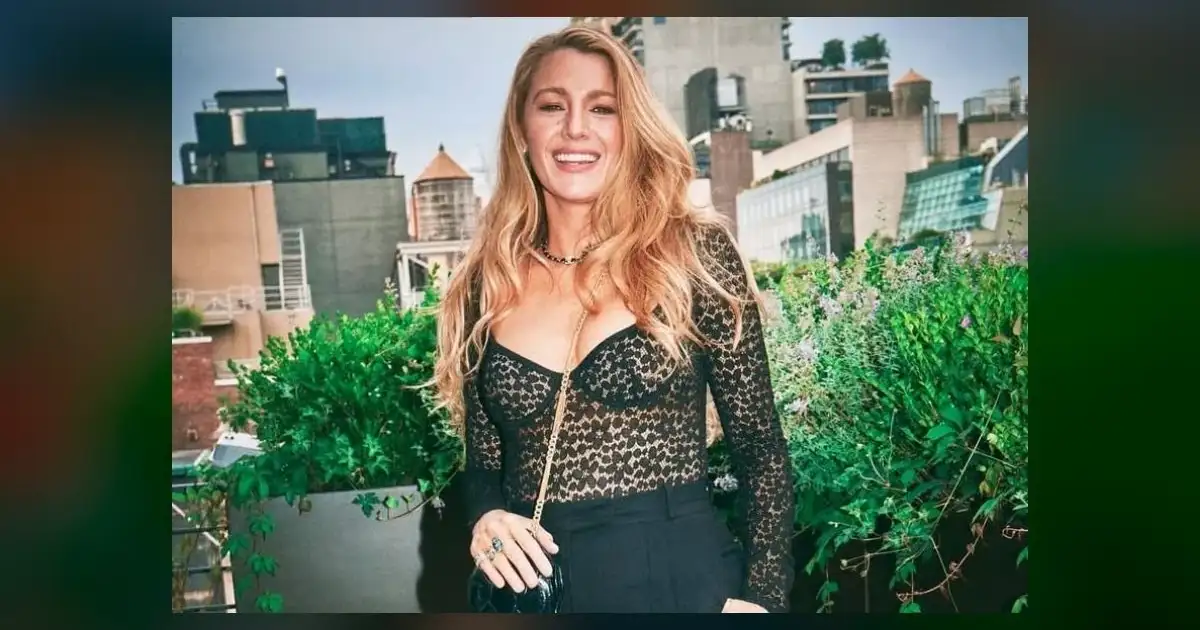

In a town where PR spin doctors earn their weight in gold, Blake Lively’s recent assertion – that a shadowy “mean girl” cabal cost her a staggering $300 million – isn’t just a claim; it’s a meticulously crafted, if utterly transparent, piece of performance art. This isn’t merely about alleged lost earnings; it’s a dramatic, public-facing attempt to recalibrate a career narrative, particularly as Lively navigates the treacherous waters of promoting It Ends With Us, the highly anticipated, and equally controversial, adaptation of Colleen Hoover’s novel.
Hollywood’s Convenient Victimhood, or The Ultimate Self-Own?
The film itself plunges into the murky depths of complex, often abusive relationships, exploring difficult choices and the insidious impact of harmful behavior. This context is not just crucial; it’s a glaring, ironic backdrop against which Lively’s recent allegations must be dissected. Is it truly a smear campaign, or merely the long-overdue reckoning for a public persona that has, for years, flirted with the very “mean girl” archetype she now decries?

Public reaction to her supposed $290 million loss claim has been nothing short of a digital maelstrom. Online, the consensus is less sympathy and more a collective, resounding eye-roll, branding this as quintessential Hollywood entitlement – a calculated, clumsy maneuver to deflect criticism. Fans and critics alike are not merely disinclined to buy the victim narrative; they are pointing fingers right back at Lively, crowning her, with a delicious twist of irony, the ultimate mean girl.
The internet, ever the unforgiving arbiter of celebrity authenticity, has not merely scoffed; it has erupted in a cacophony of “I told you so’s.” Old stories, like digital ghosts, have resurfaced: tales of her alleged diva behavior, the rumored rivalries on the set of Gossip Girl, and the persistent whispers that her real-life persona mirrored the cutthroat Serena van der Woodsen more closely than fans might have wished. Every archived interview, every past slight, is being rehashed with gleeful abandon.
Online forums, particularly Reddit, have been savage. Users are quick to remind everyone of past “difficult” whispers, citing unnamed co-stars, even those once considered part of her inner circle. One Redditor, whose comment garnered thousands of upvotes, sneered with exquisite precision:
“She’s suing for her own bad PR? Iconic self-own.”This sentiment is not just widespread; it’s a potent distillation of a deep-seated cynicism towards Hollywood’s elite, who often appear disconnected from the very public they seek to captivate.
The It Ends With Us Backlash: A Convenient Distraction?
The timing of Lively’s reported claim, of course, is everything. And in Hollywood, timing is rarely coincidental, often strategic. It coincides not just with pressure, but with immense public scrutiny on the It Ends With Us production. The film is adapting a book that is not only beloved but deeply controversial, known for its graphic depictions of domestic abuse and a divisive narrative that challenges traditional notions of victimhood and villainy.
Outlets like Variety and The Hollywood Reporter have meticulously detailed the immense scrutiny surrounding the film, highlighting the pressure to faithfully adapt Hoover’s sensitive, often traumatizing, themes. This includes the nuanced, and often uncomfortable, portrayal of antagonists and victimhood. The discourse around the film already touches on cruelty, manipulation, and the adult manifestations of “mean” dynamics. In this fraught atmosphere, Lively’s claim feels less like a cry for justice and more like a calculated deflection from a conversation that is already proving difficult.
Many online commentators see this as a strategic maneuver, designed to flip the narrative and redirect the critical gaze. The film has already faced boycotts from some fans, fueled by concerns over casting and the perceived ‘glamourization’ of abuse. There were even calls to remember the ghost of Jenny Slate’s alleged “Blake bullied me” receipts – a historical context that, once unearthed, complicates Lively’s current stance, making her seem less a victim and more a shrewd, if clumsy, strategist attempting to control a narrative that has long since slipped from her grasp.
The Price of Perception: When the Internet Crowns You Regina George
The digital ether, never one to mince words, immediately crowned Lively the new Regina George. X, formerly Twitter, exploded with memes depicting her photoshopped as the iconic Mean Girls villain, demanding reparations for “existing while basic.” The hashtag #MeanGirlLawsuit, a digital firestorm, quickly amassed over 200,000 posts, each one a testament to the public’s collective eye-roll and a stark reminder that celebrity claims are now tried in the court of public opinion long before any legal brief is filed.
A viral reply from a prominent film critic account cut deep, encapsulating the prevailing sentiment:
“Lost $300M? Bitch, you lost relevance in 2010.”This brutal quip highlights a crucial, often overlooked, point in the age of instant feedback: public perception is often far more valuable, and certainly more immediate, than any potential legal claims. TikTok, the cultural barometer for Gen Z, has been particularly merciless, stitching together her tearful interviews with Baldoni’s “tone-deaf bully” clapbacks, painting Lively as engaged in a rather transparent form of “victim cosplay.”
The prevailing critique is that this isn’t merely a star seeking justice; it’s a perceived nepo A-lister, cushioned by the considerable comedic genius and PR savvy of husband Ryan Reynolds, attempting to weaponize victimhood. This is not merely a bad look; it’s a self-inflicted wound for a star desperately trying to reclaim a narrative that has, for years, been questioned. Cynics theorize the lawsuit’s timing is less about justice and more about strategy: a pre-trial escalation, perhaps, or even settlement bait. One need only recall the spectacularly ill-fated launch and swift demise of her ‘lifestyle’ brand, Preserve, a venture that, by all accounts, crumbled due to its own lack of vision and disconnect from its target audience, not a shadowy cabal of ‘mean girls.’
The market dictates value. If a brand or career takes a hit, it’s rarely solely due to a nebulous “smear campaign.” Business decisions, creative choices, and public reception – often brutally honest – play far larger, more concrete roles. Was a $300 million loss genuinely incurred due to a phantom “mean girl” campaign? Or is this a convenient scapegoat, distracting from other career missteps and critical receptions that have, over time, chipped away at her professional standing? Hollywood has a long, ignoble history of stars blaming external forces, finding it far easier than the uncomfortable exercise of introspection. This claim fits perfectly into that tired, predictable playbook, a theatrical re-enactment of the industry’s oldest drama.
The Unflattering Aftermath: A Credibility Crisis
The repercussions of this audacious claim will undoubtedly be far-reaching, casting a long, unflattering shadow over the impending release of It Ends With Us and ensuring that every subsequent press junket becomes an involuntary interrogation into her alleged victimhood. Her carefully curated public image, already teetering, risks complete collapse under the weight of this self-inflicted wound. In an era hyper-attuned to authenticity and accountability, such blatant legal grandstanding doesn’t just alienate; it actively incites a powerful backlash, cementing her image as a quintessential embodiment of celebrity entitlement.
Instead of garnering the sympathy she so clearly craves, Lively has merely amplified the criticism, drawing a target squarely onto her own back. The internet, that vast, unforgiving archive of public opinion, remembers every tweet, every alleged slight, and it certainly does not forgive what it perceives as egregious hypocrisy. This saga serves as a harsh, unvarnished reminder that even the most polished, media-savvy celebrity cannot control every narrative, especially when that narrative clashes so violently with public sentiment and a history that the digital world refuses to forget.
Blake Lively may tally a supposed $300 million loss from the phantom “mean girls” of Hollywood. But the true, incalculable cost may well be the complete erosion of her credibility – a price far steeper than any alleged financial hit, and one that even Ryan Reynolds’s considerable charm might struggle to redeem.
Source: Google News