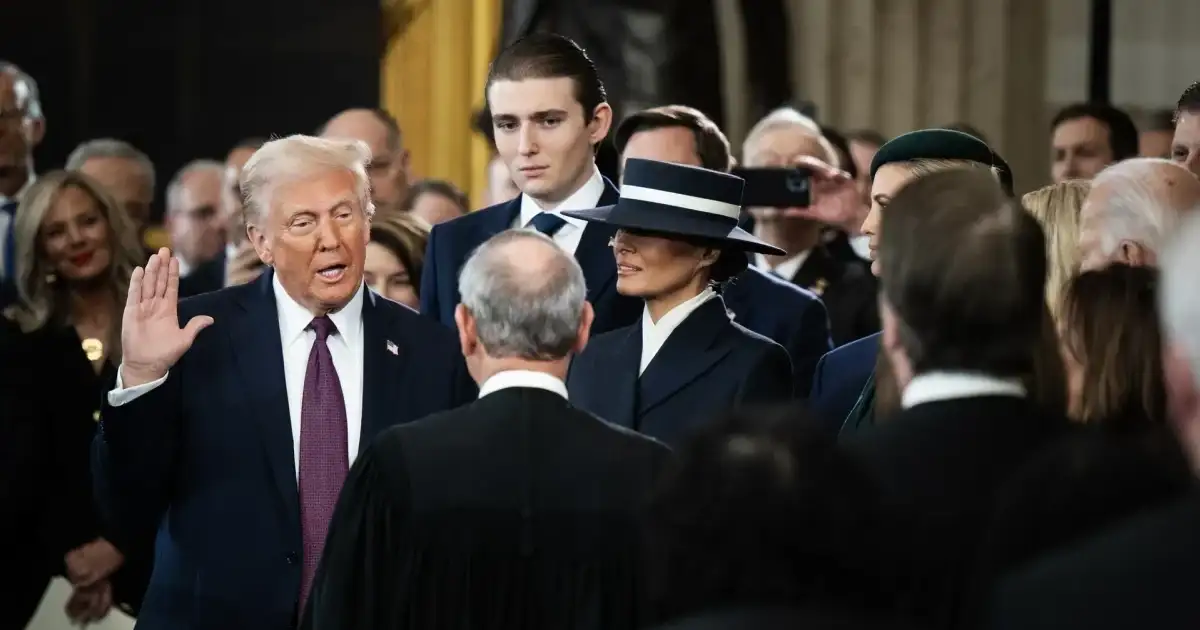

The Washington Hilton ballroom, moments after an armed attack, became a surreal theater. Shellshocked reporters in their finest gowns, trembling amidst shattered composure, suddenly confronted President Donald Trump. His urgent plea for unity, delivered against unprecedented chaos, was either masterful leadership or cynical stagecraft designed to deflect and redefine a crisis.
For those familiar with Washington’s treacherous currents, the April 25, 2026, incident was more than a security breach. It was a potent symbol of a nation teetering on the edge. Even genuine trauma is immediately filtered through partisan distrust and media spectacle.

Anatomy of a Breach: Chaos at the Hilton
The night of April 25, 2026, was meant to be a glittering celebration of the First Amendment. Instead, the Washington Hilton transformed into a scene of stark terror. At approximately 11:15 PM EST, an armed individual breached the perimeter outside the White House Correspondents’ Dinner.
This brazen assault shattered the illusion of impenetrable security. A Secret Service agent was injured in the struggle. The assailant was swiftly neutralized, but panic ripped through the ballroom where 2,000 attendees—top government officials, journalists, and celebrities—had been enjoying the evening.
The contrast was cinematic: haute couture and polished rhetoric abruptly gave way to visceral security threats. Reporters, many still in elegant evening wear, clustered around a hastily arranged podium. Their faces showed fear, confusion, and journalistic instinct.
Some visibly trembled, others openly wept, as the night’s glamour dissolved into profound unease. This was more than a disrupted dinner; it was a direct assault on Washington’s political and media establishment. It exposed vulnerabilities few had dared to imagine for such a high-profile event.
President Trump’s Calculated Urgency
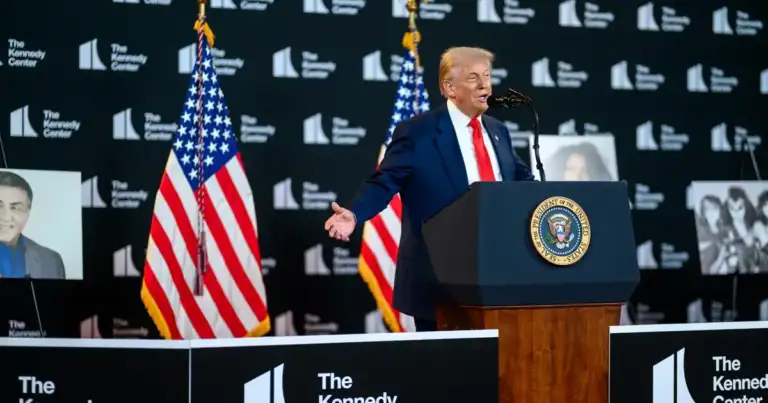
Amidst lingering tension, President Donald Trump emerged, flanked by visibly tense security. He spoke with a somber, firm tone, condemning the attack as an assault on American democracy and a free press. His direct “plea to Americans” called for national unity.
He urged rejection of division and prevention of acts undermining the nation’s spirit. Trump lauded law enforcement’s bravery and acknowledged journalists’ resilience, seemingly bridging the gap between his administration and the press corps.
“We will not be silenced by acts of terror,” President Trump declared, his voice cutting through the hushed room. “We must stand together, reject division, and never allow such acts to undermine our nation’s spirit. This is a moment for every American to remember what truly binds us.”
His words were crafted to project strength and foster cohesion, a familiar crisis strategy. The timing was crucial, unfolding against the grim backdrop of the ongoing US-Iran War 2026. This conflict has already tested the nation’s resolve and unity.
For a President often criticized for divisive rhetoric, a call for national solidarity offered a potent opportunity. He could recalibrate his image and rally a fractured populace. Was it genuine concern, or a politically astute maneuver to shift the narrative from wartime pressures?
The answer, as always in Washington, lies in the eye of the beholder. The public now views its leaders through a cynical lens.
The Public’s Cynical Lens: A Narrative Backlash
While the White House hoped for national solidarity, public reaction was anything but unified. Many observers saw not a leader in crisis, but a carefully managed performance. Social media, particularly X, erupted with mockery and accusations of political opportunism.
The description of “shellshocked reporters still wearing their ball gowns” became a lightning rod. It fueled accusations of a “tabloid fever dream psyop bait” and an orchestrated attempt to manipulate public emotion.
One top X thread, accumulating over 15,000 likes in a matter of hours, blasted the framing: “Shellshocked reporters in ball gowns? This isn’t news; it’s AI-generated fanfic for QAnon grifters. The optics are so contrived, they’re practically screaming ‘manufactured crisis.'” This visceral cynicism is not merely a reflection of fleeting online outrage; it underscores a deep, almost ingrained distrust of political messaging, especially when dramatic imagery and emotional appeals are deployed. The public, weary from years of political polarization and perceived media manipulation, has developed a finely tuned BS detector, quick to dismiss anything that smacks of artifice.
Critics immediately questioned the timing and dramatic framing. Was this an attempt to humanize a President often perceived as detached during the ongoing war? Or was it a deliberate diversion from other pressing domestic and international issues?
The collective memory of past “rants,” “gaffes,” and presidential indifference fueled public skepticism. Now, every public statement is dissected for its underlying agenda. The White House’s narrative, with its emphasis on sartorial details, inadvertently symbolized the disconnect between the political elite and everyday Americans.
Beyond the Ball Gowns: The Real Stakes
Strip away performative elements and social media firestorms; the core incident remains profoundly serious. A Secret Service agent was injured, and a security perimeter at a high-profile national event was breached. This is not trivial.
It demands a thorough review of existing protocols and a candid assessment of vulnerabilities in protecting public figures. Security experts are scrambling to understand the breach and anticipate future threats.
However, the immediate narrative, focusing on “ball gowns,” tragically overshadowed the real danger and urgent security questions. It transformed a critical incident into a cultural talking point, distracting from the attack’s gravity. This was a strategic misstep, allowing the sensational to eclipse the substantive.
Political fallout is inevitable and multifaceted. Different factions will weaponize this event, pushing for increased security or specific policy agendas. They will use it to erode public trust in institutions they oppose.
This incident will not simply fade. It will become another battleground in the ongoing culture war, further embedding itself into the political polarization that frays the nation’s social fabric.
The Enduring Scars of Distrust
As the investigation into the assailant’s motives continues, the nation grapples with the attack’s implications and profound damage to public perception. President Trump’s plea for unity, however genuine, was immediately met with suspicion. This starkly illustrates the deep chasm separating leaders from the led.
Americans, it seems, are exhausted by modern politics’ relentless theatrics. They hunger for genuine action and tangible solutions to pressing problems. They seek this rather than a continuous loop of drama and manufactured outrage.
The White House Correspondents’ Dinner attack was undeniably traumatic, a chilling reminder of safety’s fragility in the nation’s capital. Yet, the ensuing narrative, focusing on superficial details, created its own chaos. It deepened the divide between the political elite and everyday Americans.
We are left to ponder a stark question: Will this incident catalyze real, systemic security changes and foster genuine introspection within Washington? Or will it merely devolve into another ephemeral meme, leaving deeper wounds of distrust and division to fester, unaddressed?
Source: Google News