
In a stunning display of political hardball, President Donald Trump didn’t just blast 60 Minutes reporter Lesley Stahl; he unleashed a full-throttle attack, branding her a “disgrace.” The veteran correspondent’s decision to read portions of the White House Correspondents’ Dinner (WHCD) shooter’s manifesto on air was more than a tactical error – it was a fumble that drew immediate, ferocious fire from the highest office.
The controversy exploded in the wake of a 60 Minutes segment that aired on April 25, 2026. Stahl, a seasoned player in the media game, chose to broadcast excerpts from Cole Tomas Allen’s purported manifesto, the document attributed to the perpetrator of the recent, tragic WHCD incident.

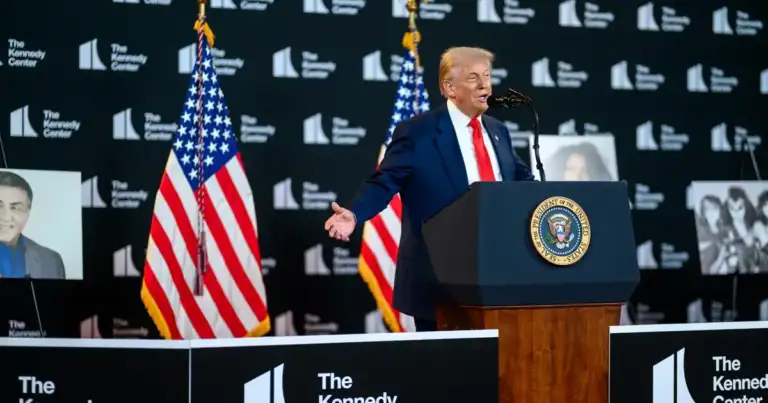
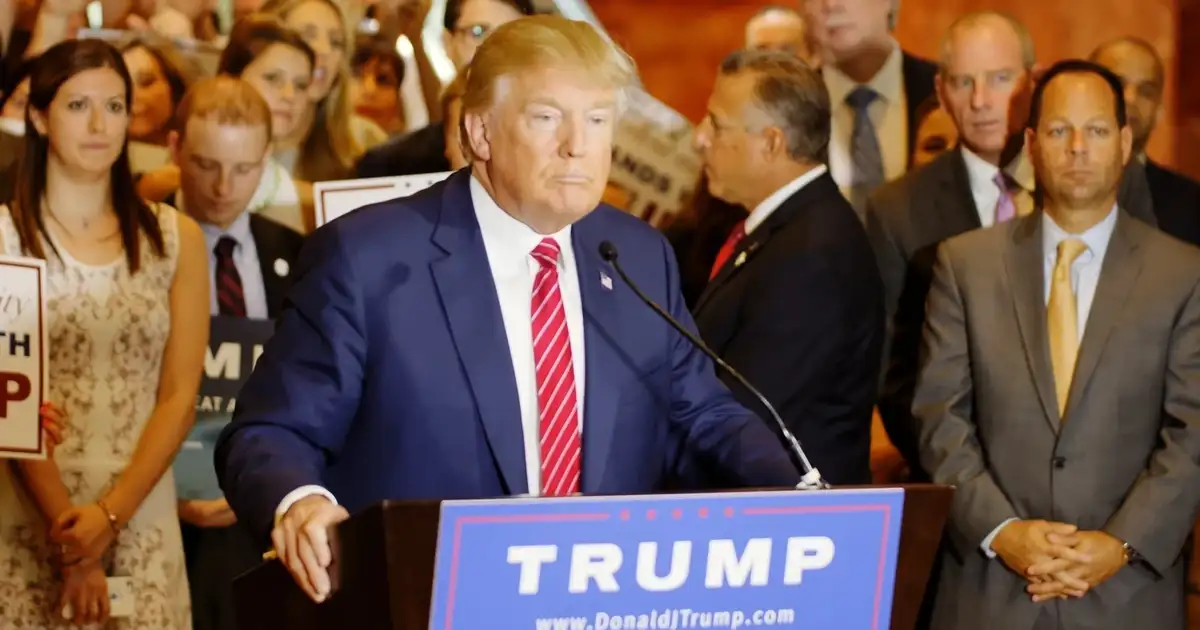
President Trump left no doubt about his feelings, taking center stage at a Pennsylvania rally on April 26, 2026. He accused 60 Minutes of “giving a platform to a deranged killer,” unequivocally calling the act “propagandizing hate.” This wasn’t just a critique; it was a strategic strike designed to rally his base and put the media on the defensive.
The Media’s Costly Fumble: Amplifying Extremism?
Trump’s attack was no mere political jab; it was a direct hit on a raw nerve in the media landscape. He argued, with characteristic bluntness, that airing the manifesto glorified the shooter, potentially inspiring future acts of violence. Is there any doubt this was a dangerous play?
“What 60 Minutes did, and that reporter, reading that deranged killer’s manifesto on national television, it’s a disgrace. An absolute disgrace. They are giving a platform to hate, giving a platform to a maniac. They should be ashamed of themselves. It’s dangerous, and it’s wrong.”
His words resonated powerfully with his supporters, who often view media outlets as crossing a critical line when they humanize or, worse, amplify the voices of perpetrators of horrific violence. For this segment of the audience, reading a manifesto isn’t about understanding; it’s about validating a killer’s warped motives and, in effect, providing a blueprint for others. It fulfills the perpetrator’s ultimate desire for notoriety, a sick trophy in their twisted game.
This perspective demands a strict “no platform” policy. The game plan, for many conservatives, is simple: starve the beast of attention. Deny such individuals the public stage they crave, and you deny them the power to inspire. Anything less is a concession to terror.
Journalism’s Risky Playbook: Context vs. Consequence
The counter-argument from 60 Minutes is as predictable as a screen pass on third-and-long. They would undoubtedly claim this falls under public interest journalism, asserting that understanding the roots of violence demands context. But at what cost?
Journalistic integrity, they might argue, demands reporting all facets, even uncomfortable truths. This is their defensive play, a shield against accusations of censorship or incomplete reporting. They would likely point to the need to dissect extremist ideologies, believing that learning about these views helps combat them effectively. It’s a calculated risk, they might say, taken for the sake of public knowledge. But when does calculated risk become reckless endangerment?
The ethical tightrope walk here is undeniable. For victims and their families, the broadcast felt deeply insensitive, a cruel re-traumatization by amplifying the killer’s hateful words. Imagine the gut punch of hearing the very ideology that shattered your world echoed on national television.
Public safety advocates also raise glaring red flags, fearing “copycat” incidents. A manifesto, whether intended or not, can offer specific instructions, grievances, or even a twisted sense of martyrdom that might resonate with other disaffected individuals. That’s a dangerous game to play, with the potential for real-world harm far outweighing any perceived journalistic gain.
Media ethics experts remain split on this tactic. Some argue for a strict “no platform” policy, a complete blackout to avoid glorification and inspiration. Others contend that careful, contextualized reporting is crucial for understanding societal threats, but they emphasize a critical caveat: it must avoid sensationalism, focusing instead on rigorous analysis, not direct transmission of hate.
No Universal Playbook for Manifestos: The Unresolved Game
This isn’t a new debate; media outlets have grappled with the dilemma of manifestos for decades. We’ve seen this play out with the Columbine massacre (1999), the horrific shootings at Virginia Tech (2007), and the mosque attacks in Christchurch (2019). The question remains: What’s the standard practice now? The stark truth is, the media field has no universal playbook here, no agreed-upon offensive or defensive strategy.
Many major news organizations lean heavily towards caution, understanding the immense responsibility. They typically avoid publishing manifestos in full, and they consciously limit prominence for the perpetrator’s name or image. This strategy aims to prevent glorification and, crucially, to deter copycat attacks. It’s a defensive formation designed to mitigate unintended, devastating consequences, prioritizing public safety over full disclosure.
The goal is to deny the killer the notoriety they seek, to cut off their oxygen supply. Journalistic ethics experts often push for contextualization, suggesting that reporting should focus on themes and motivations, with direct quotes from the manifesto often seen as a poor, even dangerous, choice. Any mention must be embedded within a strong analytical framework, condemning the violence and highlighting its devastating impact, rather than simply echoing the perpetrator’s voice.
This demands that journalists act as interpreters, not just messengers. They must filter the hate, presenting its dangers and broader implications, not its specific, incendiary details. The core tension remains stubbornly unresolved: Is publishing parts of a manifesto truly essential to “understand” extremism, or does it merely amplify hate and provide a roadmap for future violence? This is the million-dollar question, and no one, it seems, has a clear, universally accepted answer.
The rise of social media has complicated this entire game plan exponentially. Manifestos can, and often do, spread online regardless of traditional media’s choices, adding immense pressure on established news outlets. They are forced to address the content while holding their ethical line, a tough balance for any media organization, especially when the stakes are incredibly high. Social platforms are the wild west territories of information, where truth and falsehood spread instantly, forcing traditional media to react, not just report. It’s a constant, high-pressure scramble.
The Cost of the Call: A Strategic Blunder
The White House Correspondents’ Dinner shooting naturally led to massive security reviews and surging calls for increased protection for public figures. The financial cost of these escalated measures will be substantial, a real-world consequence of such heinous acts.
The 60 Minutes segment itself, with its broad reach, amplifies any misstep to an enormous degree. The show consistently pulls in a massive audience of 6-9 million viewers. That’s a colossal platform for content that sparks such intense controversy. The decision to air those manifesto excerpts was a strategic blunder, opening the door wide for a powerful counter-punch.
President Trump’s critique highlights his consistent media strategy: he attacks outlets he perceives as biased or irresponsible. This move fits his established pattern perfectly. Was this a genuine concern for public safety, or a calculated political maneuver? It likely served both purposes for the President. He understands how to leverage public outrage and how to score points against the media. This was a classic Trump power play, executed with precision.
He takes every opportunity to reinforce his narrative that the media, in his view, is often the enemy of the people. This incident only fuels that fire, validating his long-held stance for his base.
The public is left to grapple with fundamental questions: How should information be shared in a crisis? What are news organizations’ responsibilities when faced with extremist propaganda? Does understanding a killer’s motives truly justify amplifying their message? This is the ethical tightrope walk, a debate that won’t end anytime soon.
The decision by 60 Minutes to read the manifesto was a risky call, a bold play that ultimately backfired. It opened the door for this kind of political counter-punch, and the blow landed hard. This entire episode forces a critical re-evaluation of media practices, underscoring the constant, unforgiving tension between informing the public and protecting it. In this arena, every play is scrutinized, every decision carries weight.
News outlets must weigh the impact of every editorial choice, understanding that the consequences extend far beyond viewership numbers. They touch public trust, public safety, and the very fabric of society. This media showdown proves one thing unequivocally: every move is a gamble, and sometimes, even seasoned veterans make the wrong call under pressure. The stakes are too high for such errors.
Source: Google News