
The accusation that Pakistan attacked an Afghan university rips open raw wounds, exposing a border conflict already spiraling dangerously out of control. This claim, however complex its origins, spotlights the perilous escalation between two nations locked in a cycle of blame, distrust, and bloodshed. It is a stark reminder that in this volatile region, narratives become weapons, and the cost is measured in lives and enduring instability.
The Real Story Behind the Accusation
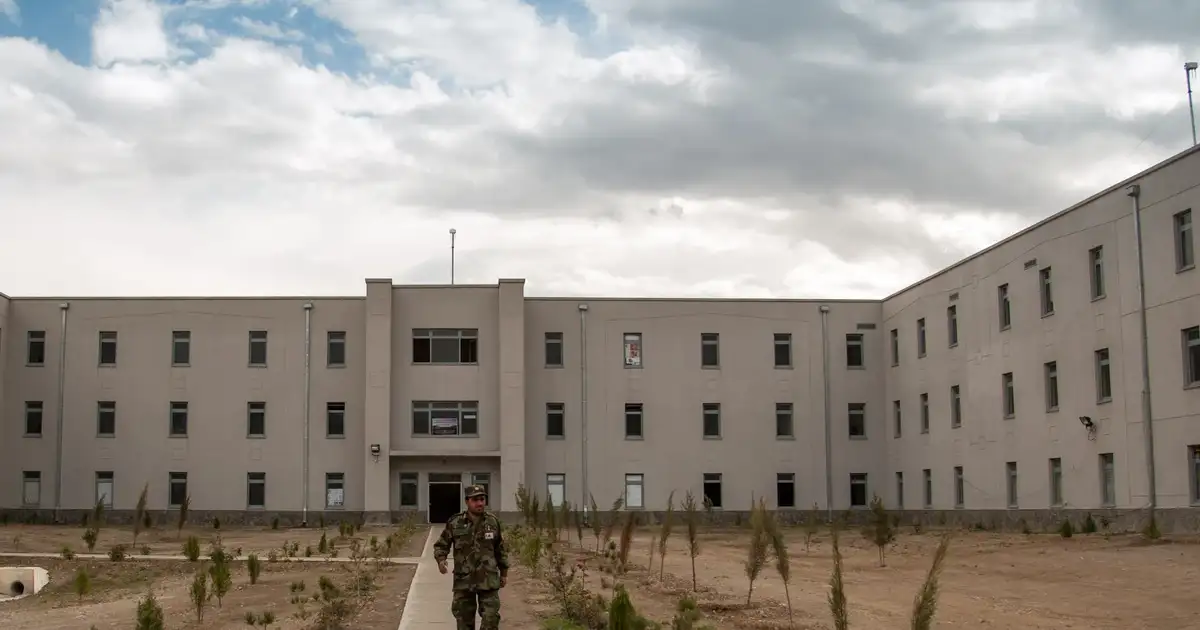
The immediate headline about Pakistan attacking an Afghan university demands crucial context. The brutal attack on Bacha Khan University in Charsadda, Pakistan, on January 20, 2016, where a faction of the Tehrik-i-Taliban Pakistan (TTP) claimed responsibility for a massacre that killed 20 people, is central to understanding the current animosity. Pakistani officials swiftly attributed blame, unequivocally stating that the then-Taliban government in Afghanistan harbored TTP militants responsible for such deadly assaults on Pakistani soil.

Fast forward to February 2026, and the simmering frustrations boiled over. Pakistan launched direct air strikes on Afghan Taliban facilities, declaring “open war” against the TTP operating from Afghan territory.
This aggressive posture was met with Afghanistan’s own retaliatory drone strikes, marking a dangerous new phase in a long-standing, bitter conflict. The alleged university attack, while perhaps a rhetorical flourish rather than a literal depiction of specific targets, reflects deep-seated anger and the readiness to attribute all cross-border violence to Pakistan’s retaliatory actions.
A Border Boiled Over: The Durand Line’s Legacy
This is no sudden eruption, but rather the latest tremor along a fault line that has long threatened regional stability. The Durand Line, the disputed de facto border imposed by the British in 1893, has always been more than a geographical demarcation; it is a profound historical scar.
It fuels deep-seated grievances between Islamabad and Kabul, with Afghanistan never formally recognizing its legitimacy. Kabul views it as an artificial division of Pashtun lands. The TTP’s resurgence has pushed these historical tensions to a perilous breaking point.
Pakistan’s frustration has become undeniably palpable. The TTP continues its relentless attacks, targeting Pakistani security forces and civilians with devastating frequency.
Reports from late 2025 detailed Pakistan’s heightened security measures following a series of deadly TTP assaults in Khyber Pakhtunkhwa and Balochistan. Islamabad contends that Kabul’s failure to curb the TTP’s activities provides a safe haven for terrorists, directly enabling cross-border militancy.
The air strikes in February 2026 were Pakistan’s blunt, military answer to this perceived inaction and the escalating body count on its side of the border.
The Cycle of Violence Continues
The accusation about an Afghan university serves not as an isolated incident, but as a potent symptom of profound mistrust. Narratives are easily weaponized to fuel a cycle of vengeance. This dynamic highlights the inherent dangers of proxy warfare and unchecked militancy.
Afghanistan, for its part, views Pakistani incursions as a blatant violation of its sovereignty. The Afghan Taliban government vehemently denies providing sanctuary to the TTP, insisting it is taking action against all militant groups within its borders.
The on-the-ground reality, however, defies such simple denials. The TTP shares not only ideological ties but also complex familial and operational connections with elements within the Afghan Taliban.
This intricate web of relationships makes effective enforcement against the TTP incredibly difficult, if not practically impossible, for Kabul. The rugged, porous border further exacerbates this challenge, allowing militants to move with relative ease, complicating any attempts at containment or control.
Who Benefits From the Chaos?
In this relentless scenario, genuine victors are conspicuously absent. The people living along the Durand Line suffer immensely, enduring constant insecurity, displacement, and the breakdown of basic services.
Both governments expend precious resources on military operations and border fortifications. These resources could otherwise be channeled into vital development initiatives for their impoverished populations, perpetuating a cycle of underdevelopment and instability.
The TTP, the primary instigator, thrives on this very instability. They expertly exploit the profound lack of trust and cooperation between Kabul and Islamabad, using the chaos to advance their extremist agenda.
Their ultimate goal remains the destabilization of Pakistan and the imposition of their radical ideology.
The international community, largely relegated to the sidelines, offers little more than platitudes and calls for dialogue, but provides scant concrete action or robust mediation. This allows the crisis to fester, guaranteeing more bloodshed and deeper regional instability.
The Diplomatic Dead End
Diplomacy, regrettably, has failed spectacularly. Decades of talks, often mediated by third parties, have produced negligible progress, leaving core issues unresolved.
The Durand Line dispute continues to poison relations, with Afghanistan’s steadfast refusal to formally recognize the border remaining a fundamental sticking point. This historical grievance underpins much of the current animosity.
Pakistan demands that Afghanistan dismantle TTP hideouts and extradite their leaders, viewing this as a non-negotiable prerequisite for peace. Conversely, Afghanistan demands an immediate end to Pakistani cross-border operations, which it deems illegal and provocative.
Each side sees the other as an aggressor, trapping them in an intractable stalemate. This cycle of accusation and counter-accusation has eroded any remaining goodwill, making genuine negotiation seem a distant dream.
The Grim Future
The current trajectory, disturbingly, is proving unsustainable. More cross-border skirmishes are not merely probable; they are inevitable.
Civilian casualties will continue to mount, exacerbating an already dire humanitarian crisis. The fragile regional stability, crucial for broader geopolitical interests, now hangs by the thinnest of threads.
Pakistan’s declaration of “open war” signifies that direct military action is now a normalized, rather than exceptional, response.
Afghanistan’s retaliatory strikes prove it will not back down, signaling a dangerous new phase in a long, bitter conflict.
While the specific details of an alleged attack on an Afghan university might be debated, the tragic consequences of this escalating conflict are not. This is a region teetering on the brink, with no clear, viable path to peace in sight, and the human cost continues to rise with each passing day.
Photo: Wikimedia Commons (query: TTP accused)
Source: Google News