
The global market just threw a lavish party, complete with soaring indices and confetti, but make no mistake: this celebration is a cynical charade. A precarious two-week ceasefire with Iran sent oil prices into a manufactured freefall, sparking a massive stock surge that reeks more of calculated manipulation than genuine peace. This isn’t a victory for stability; it’s a stark reminder of how easily geopolitical crises can be leveraged for profit.
Oil, which had recently peaked at a staggering $119, abruptly plummeted to $94 a barrel. This dramatic, almost too-convenient drop fueled a frenzied rally across global indices, giving the illusion of a market recovering from genuine fear.

The Dow Jones Industrial Average spiked an incredible 1,325 points. The S&P 500 leaped 2.5%, while the tech-heavy Nasdaq climbed a robust 2.8%.
Asian markets, ever reactive to global sentiment, also celebrated. Japan’s Nikkei soared 5.4%, and Dubai’s index exploded with an 8.5% gain.
This market euphoria followed a temporary truce, a mere handshake between the US and Iran, agreed to last just two weeks. But the public, increasingly savvy to these maneuvers, isn’t buying this sudden “peace” narrative. It’s a rigged game, and everyone knows it.
The Market’s Mirage: Profits Over Peace
Let’s be clear: this isn’t a peace treaty; it’s a tactical pause. It is a meticulously calculated move designed to exploit market volatility for massive, predictable profit.
Savvy hedge funds, undoubtedly, shorted oil when prices were artificially inflated by escalating tensions. Now, with the “truce” announced, they can pivot, going long on stocks and riding the predictable wave of market optimism.
This cycle of engineered hype and dip doesn’t just create wealth; it mints billions for those with insider knowledge and the ability to move markets. It’s a staged volatility pump, plain and simple, designed to extract value from uncertainty.
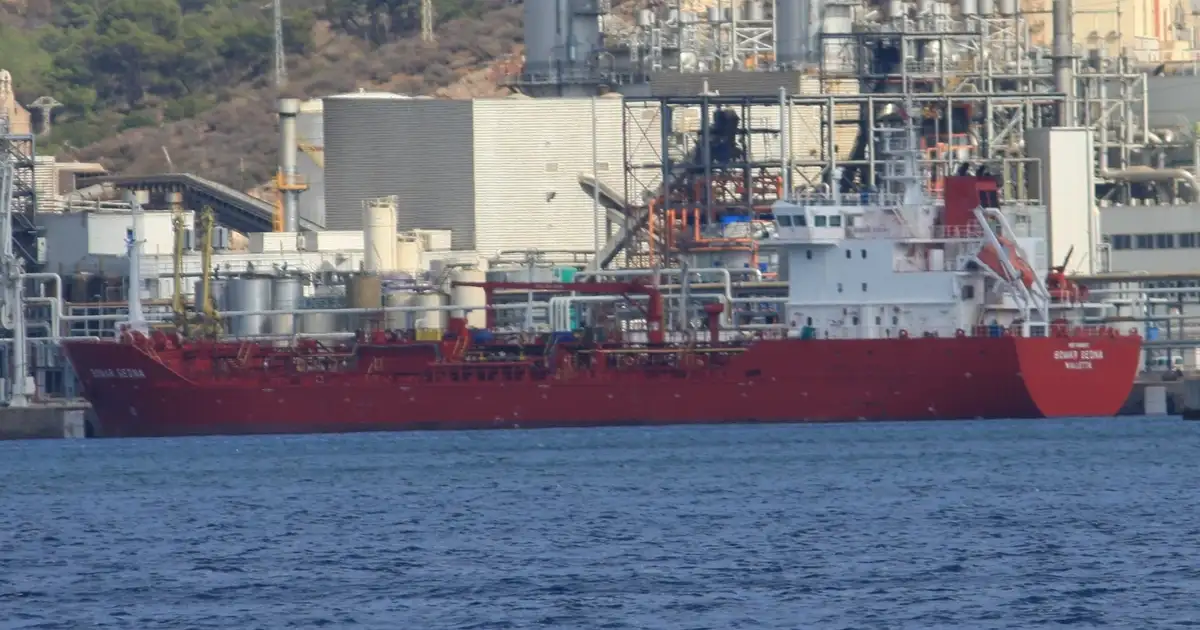
The true flashpoint, the control of the vital Strait of Hormuz, remains entirely unresolved. Iran’s state media, with characteristic defiance, insists the crucial shipping lane is still sealed.
This directly contradicts any notion of lasting peace or de-escalation; it exposes the profound fragility and performative nature of this temporary agreement. How can we speak of peace when the very artery of global oil trade remains choked?
This isn’t diplomacy; it’s a postponement of the inevitable, a strategic delay to allow financial players to reset their positions.
One market strategist, Brian Jacobsen, summed it up perfectly, albeit with a touch of weary resignation. He called it “kicking the can down the road.”
“Kicking the can down the road… good enough for now.”
— Brian Jacobsen, Strategist
That quote tells you everything you need to know about the sincerity of this “peace.” It’s a temporary fix, not a solution, meticulously crafted to buy time for other, less transparent agendas. It’s a band-aid on a gaping wound, applied just long enough for the market to react favorably.
Behind the ‘Ceasefire’ Curtain: A Geopolitical Spectacle
President Donald Trump is playing a dangerous, highly theatrical game. This sudden ceasefire feels less like genuine statesmanship and more like another act in his ongoing “forever-war sideshow.”
The timing, as always, is too convenient; the market benefits too cleanly from these abrupt shifts in geopolitical temperature. It’s a pattern we’ve seen before: escalate, then de-escalate just enough to generate market movement and media headlines, without ever truly resolving the underlying conflict.
The public, however, is growing increasingly weary of the constant geopolitical drama. They see through the “kayfabe theater”—a term borrowed from professional wrestling to describe staged events that feign reality.
Online discussions are rife with sarcasm and cynicism, mocking the very idea of genuine peace in a region perpetually on the brink. Social media users have even coined the term “TACO Tuesday,” a dark, sardonic joke about Trump’s foreign policy that stands for “Trump Always Chickens Out.”
It reflects a deep-seated distrust in the authenticity of these diplomatic gestures, viewing them instead as calculated political and economic maneuvers.
This isn’t about ending conflict; it’s about managing perceptions and leveraging market reactions. The costs of war, both human and economic, are boiling over, threatening to destabilize global economies.
This ceasefire offers a brief, highly profitable reprieve, allowing for a narrative shift. It deftly diverts focus from ongoing military actions and regional instability to the more palatable story of economic gains and market recovery.
But this shift is superficial, a thin veneer over persistent, dangerous tensions.
Who Wins, Who Loses? The Unequal Stakes
The winners in this cynical dance are undeniably clear: anyone positioned to profit from market swings. Traders who bet on volatility, particularly those with deep pockets and sophisticated algorithms, are cleaning up.
Big financial institutions are the primary beneficiaries, thriving on this predictable unpredictability, where market movements are less about fundamental value and more about engineered news cycles. They capitalize on the panic and the subsequent relief, accumulating wealth while the rest of the world holds its breath.
The losers, as always, are the everyday people. They suffer from unstable oil prices, which translate directly into higher costs at the pump and increased expenses for goods and services.
They feel the constant pinch of economic uncertainty, unable to plan for the future when global stability can be upended by a two-week “truce.” Small businesses, reliant on stable supply chains and predictable energy costs, are also collateral damage, struggling to manage an environment designed for the benefit of
Photo: Wikimedia Commons (query: Iran truce)
Source: Google News