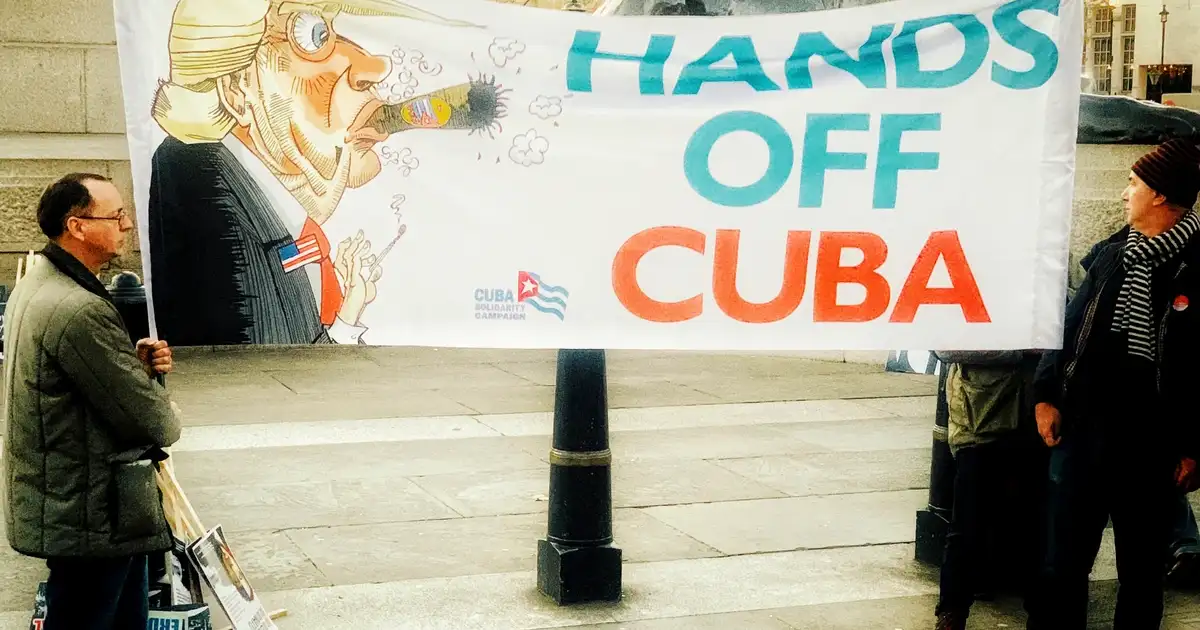

President Donald Trump’s latest pronouncement – to “take over” Cuba “almost immediately on way back from Iran” – isn’t merely campaign rhetoric; it’s a breathtakingly reckless declaration that threatens to plunge American foreign policy into an abyss of international lawlessness and military quagmire. This isn’t just a political soundbite; it’s a chilling declaration that reshapes American foreign policy overnight, promising chaos instead of solutions.
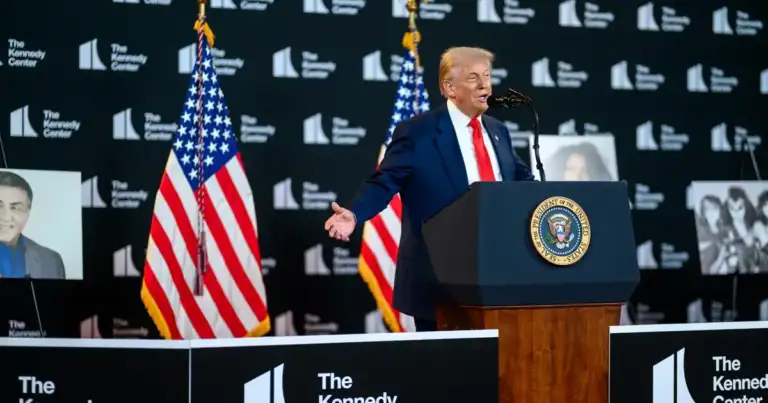
The President, in a public appearance within the last 72 hours, stated his readiness for this drastic action. He blasted Cuba’s “problems” without offering a single detail or viable solution. His statement explicitly linked Cuba’s fate to his ongoing engagement with Iran, a nation with which the United States is currently locked in an active military conflict, initiated in February 2026. This isn’t statesmanship; it’s a dangerous game of geopolitical chess played with the lives of soldiers and the stability of an entire region.
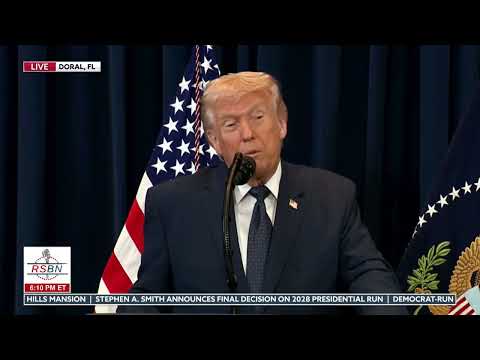
“We’re going to take over Cuba, almost immediately on way back from Iran. They’ve got problems.”
While such bombast undoubtedly thrills a segment of his hardline base, aiming to project an image of decisive leadership, the unvarnished truth is far more grim. Any serious analyst, anyone with even a shred of reality in their bones, knows that a “take over” of Cuba is not a simple executive order. It’s a logistical nightmare, a political suicide mission, and a guaranteed catalyst for catastrophic global consequences.
The Illusion of Conquest: A Legal & Diplomatic Catastrophe
Let’s strip away the bravado and confront the stark reality. A unilateral “take over” of Cuba by the U.S. would be a blatant, undeniable violation of international law. The UN Charter, the bedrock of global order, explicitly forbids the threat or use of force against any sovereign state. This isn’t some obscure legal technicality; it’s a fundamental principle that has prevented widespread global anarchy since World War II. To disregard it would be to tear up the rulebook entirely.
Such an audacious act of aggression would trigger immediate and widespread international condemnation. The United Nations Security Council would denounce it without hesitation. The Organization of American States (OAS), an institution designed to foster regional peace, would be forced to condemn its most powerful member. Our closest U.S. allies in Europe, Asia, and beyond would not merely express concern; they would turn their backs, leaving America isolated on the global stage. This move would cement America’s diplomatic pariah status, invite crippling sanctions against the United States itself, and shatter our global standing beyond repair. The idea that America can simply invade a sovereign nation in the 21st century without profound repercussions is a delusion of imperial grandeur.
This isn’t about genuinely solving Cuba’s complex, multifaceted problems. This is about a president flexing muscles without counting the devastating cost. The price tag for this kind of ego trip would be immense, paid not in dollars alone, but in global trust, American credibility, and the very principles of international order we claim to uphold. Is the fleeting satisfaction of a campaign promise worth dismantling decades of diplomatic effort?
Cuba’s Sovereignty: A Line in the Sand
For over six decades, Cuba has maintained its sovereignty in the face of immense pressure from the United States. Its right to self-determination, however flawed its governance, is enshrined in international law. A “take over” would not only violate this fundamental right but also ignite a deep-seated nationalist fervor, uniting the Cuban people against a common foreign aggressor, regardless of their internal political divisions. The notion that the U.S. could simply walk in and impose its will without fierce resistance is historically illiterate and dangerously naive. This isn’t a power vacuum waiting to be filled; it’s a nation with its own identity, history, and fierce pride.
Boots on the Ground: The Bloody Cost of Conquest
Let’s be brutally clear: a “take over” means a full-scale military invasion. It would necessitate a massive deployment of U.S. troops, naval assets, and air power. This isn’t a surgical strike; it’s an occupation. The financial cost to the American taxpayer would be astronomical, easily dwarfing the current expenditures in Iran. More importantly, it would mean a high, tragic risk of casualties – both for U.S. forces and for countless Cuban civilians caught in the crossfire. American families would pay the ultimate price for this reckless fantasy.
History provides harsh, undeniable lessons here. The disastrous Bay of Pigs invasion in 1961 remains a potent symbol of the futility of external forces attempting to impose control on Cuba. All attempts to overthrow Fidel Castro through covert or overt means failed spectacularly. Cuba possesses a long, proud, and often bloody history of nationalist resistance. Any new invasion would undoubtedly face the same defiant spirit, perhaps even stronger given the passage of time and the sharpening of national identity.
This isn’t a video game where objectives are completed and missions end. It’s not a quick detour on the way home from Iran. A “take over” would inevitably lead to a prolonged, bloody insurgency, a costly and difficult occupation, and an endless cycle of violence. It would mirror the intractable challenges faced in other failed U.S. military interventions across the globe, from Vietnam to Afghanistan, but with the added complexities of a hostile populace just 90 miles from American shores.
Are American families truly ready for their sons and daughters to fight and die in the streets of Havana or the jungles of the Sierra Maestra, sacrificing their lives for a presidential whim? Are taxpayers prepared to foot the bill for endless occupation, for the body bags and the billions? This is the grim reality behind the tough talk, a reality politicians rarely articulate until it’s too late.
A Nation Under Siege: Humanitarian & Regional Fallout
An invasion would not only unleash a massive humanitarian crisis but guarantee it. Millions of Cubans would be displaced from their homes, their lives uprooted. Critical infrastructure – hospitals, schools, power grids – would be destroyed. Cuba’s already fragile economy, battered by decades of sanctions and internal mismanagement, would collapse completely, creating a refugee crisis of epic, unprecedented proportions.
Think about the images: thousands upon thousands fleeing their homes, desperate boats crossing dangerous waters, families torn apart, lives shattered. This is the inevitable human cost of a “take over.” It’s not a theoretical exercise; it’s a guaranteed outcome. The United States would then find itself solely responsible for immense reconstruction costs, for managing a shattered nation, and for dealing with the moral stain of creating such widespread suffering.
This isn’t liberation; it’s chaos. It’s a recipe for long-term instability that would destabilize not just Cuba, but the entire Caribbean and Latin American region. Allies and adversaries alike would react strongly, condemning the U.S. and potentially forming new alliances to counter American aggression. The fallout would be felt for decades, profoundly impacting global security and economic stability. The American people would bear the burden, directly and indirectly, for generations.
Political Theater vs. Reality: Who Pays the Price?
This declaration is clearly aimed at a specific domestic audience. It’s designed to appeal to hardline Cuban-American voters, particularly those in crucial swing states like Florida. It’s a cynical tactic to energize a base, framing Trump as a decisive, unyielding leader willing to confront perceived threats. But the reality, as always, is far more complex and dangerous than a soundbite.
Political calculations too often ignore real-world consequences. This bombastic rhetoric might indeed win votes in some circles, but it risks plunging an entire region into turmoil, draining American resources, costing American lives, and further isolating the United States from its essential allies. The average American taxpayer, the working families struggling to make ends meet, would pay the ultimate, crushing price. They would pay for the military hardware, for the troop deployments, for the inevitable humanitarian aid, and for the diplomatic fallout that would cripple America’s standing. This is the cynical truth of Washington’s power games: the elites make the declarations, and the working class pays the bills, often with their blood.
This isn’t about freedom for Cuba; it’s about political leverage in Washington. It’s about a president’s ego and a desperate grasp for votes. The dangerous idea that Cuba’s complex “problems” can be solved by an invasion is not just naive; it’s dangerously reckless. It disregards the fundamental sovereignty of a nation, ignores decades of failed interventionist policies, and threatens to unleash untold suffering on millions.
President Trump’s declaration to “take over” Cuba is not a serious policy proposal. It’s a dangerous fantasy, a thinly veiled threat that promises chaos, not solutions. The international community, the American military, and most importantly, the Cuban people, would all pay a devastating, irreversible price for such an act of unprovoked aggression. The world watches, holding its breath, as American leadership flirts with global catastrophe.
Source: Google News