
The global oil industry isn’t just “reeling” from President Donald Trump’s secretive strategy for confronting Iran; it’s being actively gamed, and American consumers are paying the exorbitant price. With skyrocketing gas prices, ordinary citizens are footing the bill for a war whose true nature remains shrouded in White House secrecy.
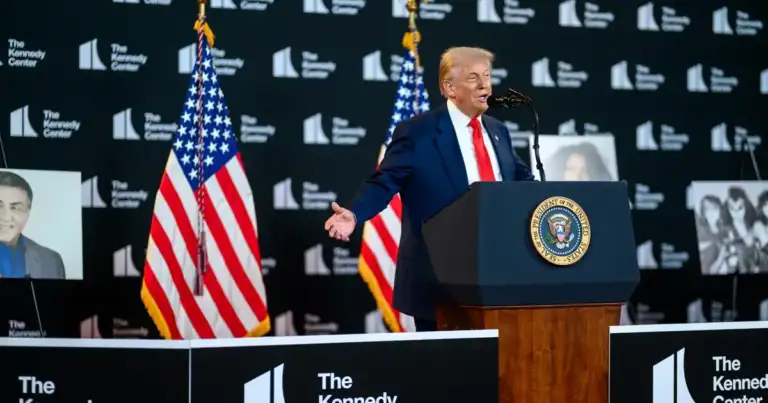
On May 2, 2026, President Trump unveiled his cryptic approach, promising “unconventional pressure” against Iran and vowing a “private” strategy designed to make them “feel the squeeze where it hurts most.” This pronouncement, delivered amidst the already active US-Iran War, wasn’t a tactical revelation; it was a market shockwave.

The market’s reaction was immediate and brutal. National gas prices surged by an alarming $0.08-$0.12 in a mere 72 hours. By May 4, 2026, the average price for regular unleaded gasoline had climbed to approximately $3.95 per gallon, a level not witnessed since late 2024.
Oil executives, typically masters of managing geopolitical turbulence, are now publicly feigning bewilderment at the White House’s deliberate lack of detail. Their manufactured concern over unpredictable supply disruptions only serves to underscore the market’s vulnerability.
The Market’s Instant Panic: How Secrecy Fuels High Prices
The question on every American’s mind isn’t just simple; it’s urgent: If President Trump’s plan is so “private,” how can it possibly impact gas prices with such devastating speed? And what precisely does “private confrontation” signify when the nation is already embroiled in an active war with Iran?
The answer, for anyone paying attention, is brutally clear: Markets despise uncertainty, and President Trump just unleashed a torrent of it. Global oil markets operate on perception and react instantly to any perceived threat to supply.
Trump’s vague hints at “unconventional pressure” on a major oil producer like Iran don’t just create speculation; they ignite a frantic bidding war. Traders, hedging against future scarcity, drive prices skyward, regardless of how nebulous the specifics remain.
The “private” nature of this plan ensures a complete absence of transparency, a condition markets utterly abhor. This deliberate opacity doesn’t merely add risk; it injects a massive “geopolitical risk premium” directly into crude oil prices. Investors aren’t just factoring in unknown risks of escalation or supply cuts; they are making high-stakes bets in the dark, and the house always wins.
Despite the secrecy, the stated goal is chillingly unambiguous: “making them feel the squeeze.” This can only imply a drastic reduction in Iran’s ability to export oil. Whether through more stringent enforcement of existing sanctions, new covert economic measures, or even cyber warfare against their energy infrastructure, any action that diminishes Iranian crude on the market will inevitably tighten global supply. And when supply tightens, prices surge for every consumer, every business, everywhere.
History, as always, offers a stark preview. Past periods of heightened U.S.-Iran tension, particularly during President Trump’s previous “maximum pressure” campaign, consistently correlated with sharp spikes in oil prices. The market’s exquisite sensitivity to the region’s stability is not merely undeniable; it’s a proven vulnerability.
Layer onto this the current seasonal factors – refinery maintenance schedules reducing output, coupled with surging demand as summer driving approaches – and you have the perfect storm for your wallet. This isn’t just bad luck; it’s predictable chaos.
Who Profits from the Fog of War?
While consumers bleed at the pump, make no mistake: a select few are making an absolute killing. The “bewilderment” publicly expressed by anonymous oil titans rings hollow, a convenient public facade. Behind closed doors, these industry giants aren’t confused; they are meticulously preparing to capitalize on the chaos. Uncertainty, after all, is a goldmine, allowing for inflated pricing and obscene profits, especially when global supply lines are deliberately threatened.
The public discourse has devolved into a toxic stew of cynicism. Many Americans now view this entire scenario as manufactured drama. They rightly suspect that President Trump’s “private confrontation” isn’t solely about Iran; it’s a calculated move to strong-arm oil executives behind closed doors. Is it truly about national security, or is it merely another backroom deal benefiting the powerful?
“The market hates uncertainty, and ‘unconventional’ and ‘private’ are two words that scream uncertainty. We need clarity on supply, not riddles. This isn’t a game.”
This feigned “bewilderment” is more than just a shield; it’s a tactical advantage. It allows them to justify higher prices, to hedge against undefined risks that they themselves might be subtly influencing.
While ordinary Americans grapple with paying nearly $4 a gallon, these titans watch Brent crude futures climb over 3% in three days, trading around $88 per barrel. WTI crude futures are nearing $84 per barrel. The equation is simple, stark, and infuriating: the money flows uphill, straight into their coffers.
The Iran Paradox: Private Pressure, Public Pain
President Trump’s rhetoric has created a profound and damaging paradox. His administration champions “America First” energy dominance, yet his actions and deliberately ambiguous statements directly lead to higher domestic energy prices. The conflict in Iran is undeniably real, and the public deserves not just to know the costs, but the precise strategies involved. Instead, we are fed riddles, leaving allies guessing and adversaries emboldened.
“We’re going to put unconventional pressure on Iran. We’re going to make them feel the squeeze where it hurts most, and we’re going to do it in a way that’s smart, not stupid. Some things are better handled privately.”
This statement, delivered by a sitting President amidst an active war, is a declaration of intent. The “privately handled” aspect brazenly bypasses traditional diplomatic channels, sidesteps congressional oversight, and leaves America’s allies scrambling for answers. It forces adversaries to speculate on the unknown, creating a dangerously volatile global landscape, all while putting American consumers squarely on the hook for the inevitable economic fallout.
This isn’t about avoiding military action entirely; we are already fighting. This is about the clandestine, opaque management of that fight. The market’s visceral reaction proves unequivocally that even a “private” war has profoundly public consequences. The lack of transparency does not make the situation less volatile; it actively amplifies the danger, pushing us closer to the brink of unpredictable escalation.
The Real Cost of Vague Threats
For everyday Americans, the impact is not theoretical; it is direct, immediate, and painfully tangible. Rising gas prices translate directly into less disposable income for groceries, rent, and other essential necessities. Every extra cent at the pump is an insidious, regressive tax on working families, a direct transfer of hard-earned wealth from your pocket to the bulging coffers of oil companies and speculative traders. This isn’t just economics; it’s an assault on household budgets.
“Geopolitical tensions in the Middle East are once again a primary driver behind the recent surge at the pump. When you combine that with seasonal demand, it’s a recipe for higher prices.”
This is the harsh, undeniable reality that the administration’s “riddles” attempt to obscure. The President’s vague threats, coupled with an existing war, create a devastating ripple effect that hits every single household budget.
The consumer is not merely caught in the crossfire; they are the primary casualty in this battle between political posturing and unyielding economic reality. The hollow promise of “energy dominance” rings with bitter irony when you are forced to pay nearly $4 per gallon just to get to work.
The administration’s strategy, or more accurately, its glaring lack thereof, on Iran is costing Americans dearly. The “private confrontation” is anything but private when it comes to the price you pay to fill your tank. This isn’t just about abstract foreign policy; it’s about your wallet, your family’s stability, and your ability to make ends meet. And right now, your wallet is taking a brutal, unnecessary beating, with no end in sight.
Source: Google News