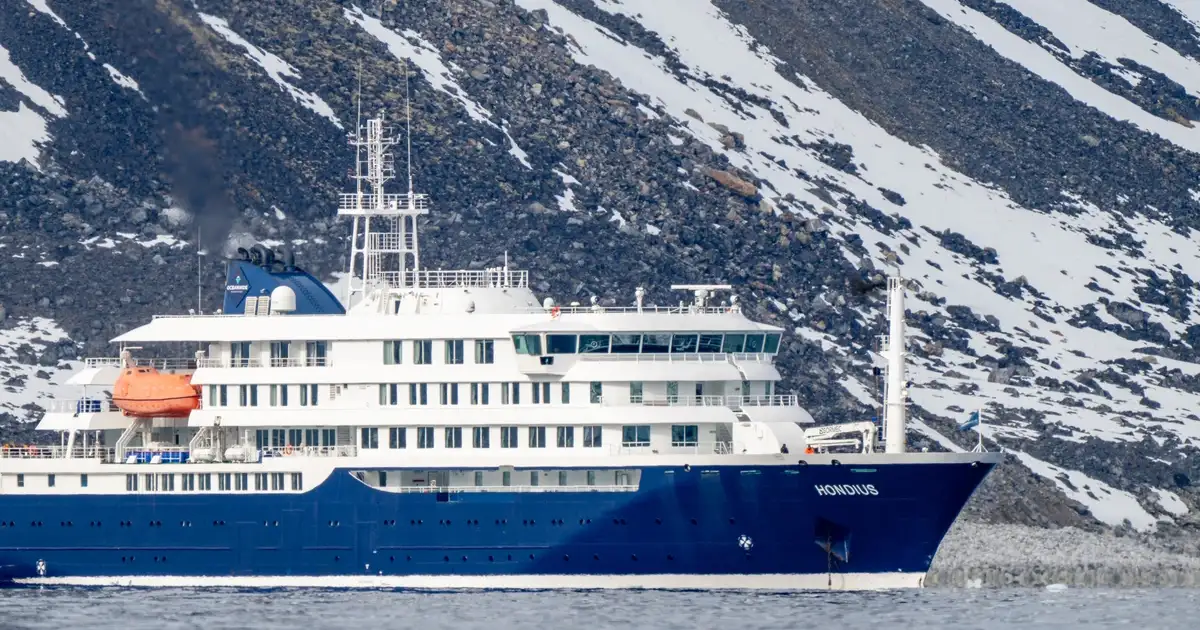

Let’s be clear: the botched evacuation of the MV Hondius rat virus cruise isn’t just a logistical snafu; it’s a full-blown international incident, a strategic fumble playing out in agonizing slow motion off the coasts of Cape Verde and Tenerife. While furious local protests rage, American passengers remain trapped on board, caught in a diplomatic end zone, unable to score a clear path to safety. This isn’t just a health crisis; it’s a brutal breakdown in international cooperation, a stark reminder that when the chips are down, every nation plays for its own home team.
The cruise, carrying a unique manifest of birdwatchers fresh from an Argentina landfill expedition, has already seen a tragic toll: three confirmed deaths and seven hantavirus cases, all from the virulent rodent-spread Andes strain. The numbers are chilling, but the true scoreboard reflects a deeper contest: the battle for national self-preservation versus the illusion of global unity.

The Tenerife Standoff: A Defensive Line Holds Firm
The situation in Tenerife isn’t merely tense; it’s a powder keg, primed to explode. Locals are absolutely justified in their outrage, forming an unyielding defensive line against a potential plague brought to their shores. Their fear is palpable, their anger a roaring tide that has flooded social media.
You can practically hear the shouts from the docks, echoing across the digital landscape.
Online forums are ablaze with questions challenging the wisdom, or sheer folly, of allowing this biological hot potato to dock. One popular thread, a stark referendum on public sentiment, asked, “Spain blocks rat ship—good call or xenophobic?” It racked up an astounding 15,000 upvotes, a clear mandate from the people.
Spanish citizens aren’t just cheering their government’s stance; they are demanding it, unified by the visceral rallying cry: “No rats in our ports!” Their health, their community, their priority.
Meanwhile, from the sidelines, the British contingent is taking potshots, gloating with a cynical “Brexit bonus” narrative. They see themselves as having dodged what they’ve morbidly dubbed the “plague liner.” It’s a grim joke, but it reveals a profound global schism.
This isn’t just about a virus; it’s about national identity and the hard lines drawn when the stakes are life and death.
Americans Left Behind: A Fumble on the Global Stage
The real gut punch here, the undeniable strategic blunder, is the plight of the American passengers. They are stuck on that ship, watching other nationalities disembark. This unequal treatment screams “red flag” louder than any referee’s whistle.
This isn’t just a minor inconvenience; it’s a catastrophic repeat of past blunders, a haunting echo of the early, chaotic days of the COVID-19 pandemic. Does anyone remember the Diamond Princess debacle? Our playbook hasn’t changed, and the same mistakes are being run again.
The public reaction online is swift, brutal, and unforgiving. Many see it as a class-war jab, a pointed jab at the perceived privilege of the stranded. “Rich birdwatchers catch landfill hantavirus,” one viral post declared, “now cry for rescue—let ’em swim.”
That tweet alone garnered an astonishing 50,000 likes, illustrating a deep-seated resentment and a troubling lack of empathy from a segment of the public.
For some Americans, this perceived abandonment is fueling outright fury. The hashtag #RatCruiseDoom isn’t just trending; it’s a digital scream of frustration. They feel abandoned by their own government, seeing this as a replay of past failures.
Where is the swift, decisive action? Where is the quarterback calling the winning play for his team?
Political Football and the Fog of Conspiracy
Predictably, this health scare has been thrown directly into the political arena, becoming a volatile political football. The narrative gaining dangerous traction is that “Biden’s WHO puppets” are deliberately stranding American citizens. This isn’t just partisan rhetoric; it’s a potent weapon, designed to erode trust and sow discord, gaining traction with alarming speed among a public already wary of international bodies and domestic leadership.
As expected in any crisis, conspiracy theories are swirling like vultures over a struggling team. Some claim this whole ordeal is a “bio-lab leak” from an ill-fated Antarctica tour. They point to the ship’s alleged designation as a “research vessel” as primary evidence.
Others whisper darkly about “gain-of-function” rat experiments gone awry. These theories, no matter how wild or unsubstantiated, gain a terrifying foothold in uncertain times. It’s the fog of war, but for public information.
Some cynics even suggest the entire event is a staged “insurance scam,” pointing to “too-perfect” evacuations for certain nationalities and a suspicious lack of candid onboard videos. This isn’t just idle speculation; it reveals how quickly people jump to conclusions, how readily they seek alternative explanations when official narratives feel insufficient or delayed. In the absence of clear, decisive leadership, the void is filled by suspicion and doubt.
The Real Stakes of the Game: Trust, Leverage, and Survival
This isn’t merely about a virus; it’s about the fundamental contract of trust between citizens and their governments. It’s about how governments handle crises, and perhaps
Photo: Gordon Leggett
Source: Google News