
Forget the sensational headlines screaming “pandemic.” Let’s cut through the noise and get to the tactical reality. A hantavirus outbreak on a cruise ship, while certainly deadly for those afflicted, has been weaponized into a national panic, but the experts’ playbook is clear: this is not the next global crisis. The question isn’t “could this trigger a pandemic?” It’s “why are we being told to fear one?”
For any seasoned analyst, this isn’t some novel, unstoppable threat. Hantavirus is a known entity, a pathogen with a well-documented history stretching back decades. The recent incident involved a mere five confirmed cases on a contained vessel – a microscopic number in the grand scheme of public health. This isn’t a wildfire; it’s a spark quickly doused.

The Experts’ Playbook: A Known Quantity, Not a New Threat
Public health experts aren’t just clear; they are emphatic. This hantavirus situation is “NOT COVID.” They aren’t mincing words. The risk of widespread transmission is “very low,” a tactical assessment that should settle the matter. This isn’t some new, mutation-happy superbug poised to sweep across continents. It’s a specific, geographically limited challenge, and we have the game plan for it.
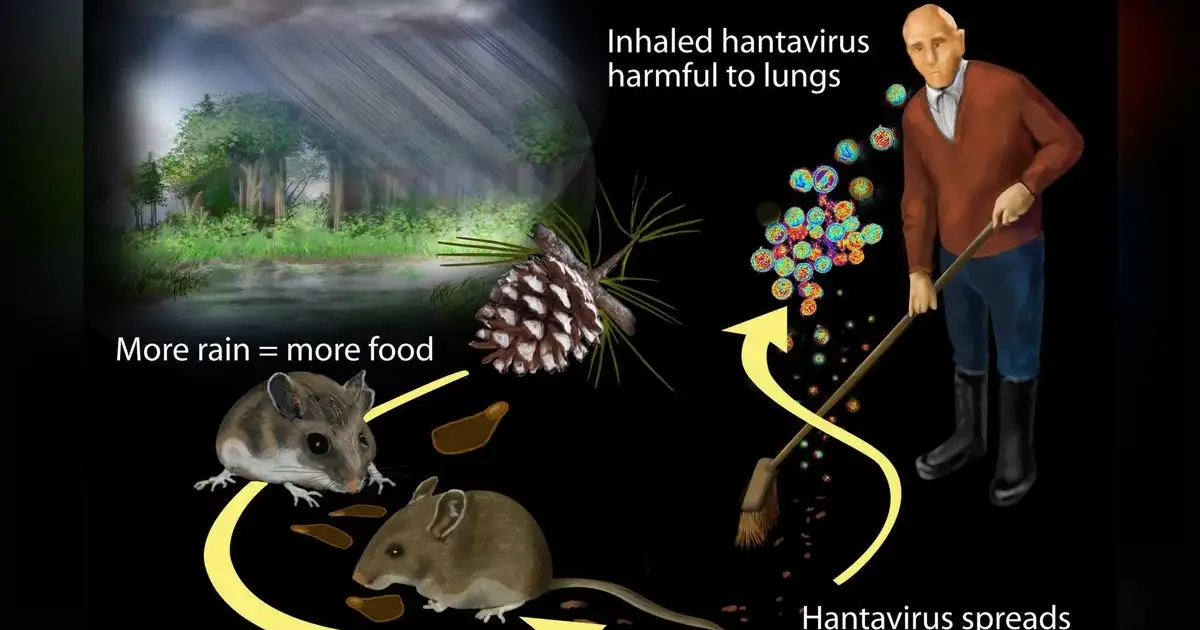
The World Health Organization, despite its past stumbles, has been consistent on this front. Hantavirus is primarily an environmental threat, spread by rodents.
Humans typically contract it through direct contact with infected droppings, urine, or saliva. Think contaminated food, dusty environments, or direct rodent interaction.
Crucially, direct human-to-human transmission is extremely rare, almost an anomaly in the epidemiological record. This isn’t a respiratory virus that jumps from person to person with a cough or a handshake. It requires a specific, often intimate, vector.
“This is not COVID. The risk of widespread human-to-human transmission is very low,” a WHO official stated, their assessment echoing across every credible public health institution.
That’s the tactical assessment, unambiguous and consistent. It’s a known quantity, a familiar opponent. We have the playbook for this pathogen, and it doesn’t involve global lockdowns or a scramble for new vaccines. It involves sanitation, pest control, and targeted medical care.
The Public’s Sideline Call: Fear or Calculated Fact?
Yet, despite these unequivocal expert reassurances, the media landscape is awash with headlines screaming “pandemic.” Social media platforms, from Reddit to X, are not merely lighting up; they are ablaze with speculation and, more often, cynicism. A significant segment of the public sees this for what it often is: “manufactured fear,” a calculated exercise in “panic theater.”
The public, to its credit, isn’t buying the hype. They recognize the glaring contradiction. On one side, experts declare “low risk”; on the other, certain media outlets relentlessly push the “should we be worried?” narrative. The disconnect is not just obvious; it’s a chasm of credibility.
As one perceptive Reddit thread commenter perfectly articulated, “They learned the formula works.” This isn’t about public health; it’s about engagement metrics. Pandemic headlines are a proven commodity, driving clicks, views, and ultimately, advertising revenue. It’s a cynical play, and the audience is increasingly aware of the game being played.
Why the Hype? Dissecting the Motives Behind the Alarm
So, if the epidemiological risk is demonstrably low, why the blaring alarm bells? The true game here isn’t about health. It’s about power, profit, and perception. There are several cynical theories, each with a tactical rationale, circulating among those who look beyond the surface.
Post-COVID Panic Monetization
Media outlets, having experienced unprecedented engagement during COVID-19, tasted blood. They discovered the immense commercial value of fear.
Now, they apply that same fear-mongering infrastructure, that finely tuned engine of dread, to anything remotely infectious. It’s a proven engagement strategy, a low-risk, high-reward play.
They are quite literally farming dread, extracting clicks and attention from a contained ship outbreak. This happens regardless of the actual threat level. The infrastructure for panic is built; it simply needs a target.
Institutional Reputation Laundering
The World Health Organization and the Centers for Disease Control and Prevention both took significant hits during the last pandemic. Their messaging was frequently criticized, their credibility questioned.
Now, they are positioning themselves as hyper-vigilant gatekeepers, almost performatively so. This constant stream of reassurances—”we have this under control,” “we are monitoring”—can feel less like genuine crisis management.
Instead, it seems a desperate attempt to rebuild credibility. It’s a defensive play, demonstrating proactive competence even when the actual threat is minor or well-understood. They want to show they’re on top of things, even if “things” are largely under control already.
Cruise Industry Distraction Tactics
Consider the cruise industry’s angle. Some argue, quite convincingly, that this hantavirus outbreak paradoxically serves their interests.
It can effectively distract from deeper, older issues that have plagued the sector for years. We’re talking about systemic sanitation failures, norovirus outbreaks, and other endemic problems long swept under the rug.
By framing hantavirus as a novel, external, and exotic threat, the focus shifts away from the industry’s own operational shortcomings. It’s a classic misdirection play.
This draws attention away from systemic issues of close quarters and recirculated air that characterize these floating cities. The problem isn’t always the virus itself; it’s the environment that allows any pathogen, however rare, to gain a foothold.
The “Rare Spread” Angle: A Weaponized Truth
Hantavirus transmission is, as established, well understood: predominantly rodent-to-human.
The “rare human-to-human spread” angle, while technically true in its rarity, is consistently weaponized. It conveniently resurrects the specter of pandemic anxiety without an actual pandemic-level threat.
Why emphasize the “rare” possibility if not to keep the public on edge? This subtle but effective tactic ensures continued engagement, maintaining a low-grade hum of fear.
This keeps eyeballs glued to screens and clicks flowing. It’s a linguistic sleight of hand, transforming an epidemiological footnote into a headline driver.
The Real Game Being Played: A Pandemic of Alarmism
The true concern here isn’t a hantavirus pandemic. It’s the burgeoning pandemic of alarmism itself.
This situation serves as a stark, almost textbook example of how easily fear can be manufactured and amplified. It erodes the public’s trust in legitimate health warnings.
When every outbreak, every new virus, is framed as a potential “pandemic threat,” the very concept loses its meaning. The boy who cried wolf eventually finds no one listens when a real predator approaches.
The experts have delivered their tactical assessment. We should not be worried about a hantavirus pandemic. Our concern, our focus, must be on the motives behind the exaggerated headlines, the cynical plays for profit and power. That, my friends, is the real game being played, and it’s far more dangerous to our collective sanity than any contained viral outbreak.
Photo: Wikimedia Commons (query: NOT COVID hantavirus)
Source: Google News